11 Oct
2024
Energeks

In the age of rapid digital advancements, the electrical engineering sector is encountering both new challenges and immense opportunities. One area experiencing a significant transformation is the monitoring and management of transformers. How are digital solutions revolutionizing this process, and what does it mean for the future of energy management?
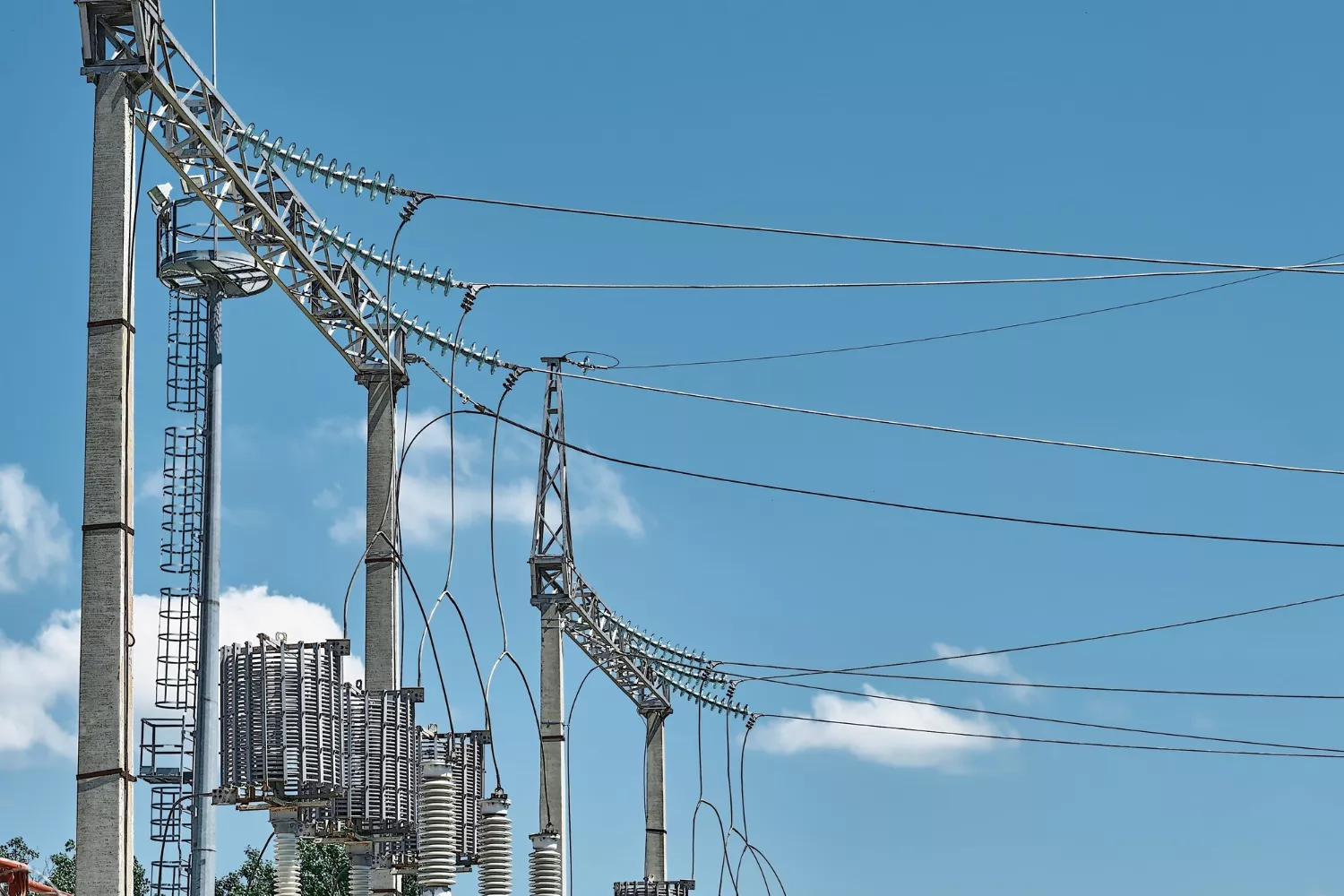
Imagine a transformer, the unsung hero of our power grid, silently working to convert electrical voltage to appropriate levels for transmission and distribution. Its reliability is crucial for the stability of the entire energy system.
Traditionally, monitoring this vital component relied on manual readings and periodic inspections. However, as the demands and complexity of modern power grids grow, these methods are becoming increasingly insufficient.
Enter digital solutions. With the integration of advanced technologies such as the Internet of Things (IoT), real-time data analysis, and artificial intelligence (AI), continuous monitoring of transformer operating parameters has become a reality.
How does this work in practice? Sensors attached to transformers collect data on temperature, humidity, oil levels, and other critical parameters. This information is then sent to a central management system where it is analyzed and processed.
But what tangible benefits does this bring?
Imagine a world where potential transformer failures are detected before they happen.
Digital monitoring systems enable this proactive approach. Real-time data analysis allows for the early detection of issues such as overheating, mechanical failures, or oil leaks.
For instance, in a manufacturing plant, continuous monitoring can signal an abnormal rise in transformer temperature, prompting immediate maintenance before a costly shutdown occurs. This early intervention minimizes repair costs and prevents downtime, ensuring smooth operations.
Real-time monitoring isn't just about preventing problems; it's also about optimizing performance.
In a city’s power grid, real-time data helps understand load distribution and energy flow better. This enables more efficient resource management. For example, during peak hours, data analysis can guide operators to balance the load across transformers, reducing energy losses and improving overall system efficiency. The result? Lower operational costs and a more reliable power supply.
Safety is paramount in energy systems. Digital solutions significantly enhance operational safety by providing automatic alarm systems and shutdown mechanisms in case of critical irregularities.
Consider a scenario in a remote energy distribution center where a transformer shows signs of an impending failure. The system can automatically shut down the transformer, preventing potential hazards and ensuring the safety of both personnel and equipment.
Continuous monitoring also provides valuable insights into the operating conditions of transformers, leading to more informed decisions regarding their operation and maintenance.
What lies ahead for energy management with these digital advancements?
The integration of digital solutions in transformer monitoring is paving the way for more advanced and sustainable energy management practices. As these technologies evolve, we can expect even greater integration with other energy network components, such as lithium-ion batteries and solar panels.
The future of energy management lies in smart grids. These intelligent networks will be capable of automatically adapting to changing conditions, ensuring optimal efficiency and reliability.
Digital solutions in transformer monitoring are the cornerstone of this revolution, enabling a more integrated and sustainable approach to managing energy resources.
In conclusion, the introduction of digital solutions to transformer monitoring is the future of energy management. These technologies enable proactive management, optimization of efficiency, and enhanced safety of energy systems. The digital transformation in this area is not only a response to contemporary challenges but also the key to a more sustainable and efficient energy future.
As we move forward, embracing these innovations will be essential in creating resilient and intelligent energy networks.
Sources:
No reviews!