22 Nov
2024
Energeks
Transformer stations are the backbone of electricity distribution, ensuring power flows seamlessly from grids to homes, businesses, and industries. Whether integrated into the fabric of bustling cities or standing tall in remote rural landscapes, these stations are indispensable to modern life. Yet, like any infrastructure, they age, requiring timely upgrades to maintain efficiency and reliability.
This blog explores the essential role of transformer stations, their key functions, and how to recognize when it’s time to modernize. We will also dive in to the differences between transformer stations and substations, helping clarify these often-overlapping terms while diving into their critical roles.
Whether you're a technical enthusiast or a decision-maker exploring potential upgrades, this guide provides expert insights to navigate the evolving landscape of power distribution.
Let’s bridge the gap between the unseen power infrastructure and the transformative opportunities modernization can unlock for all of us!
While the terms transformer station and substation are sometimes used interchangeably they have distinct functions within the energy distribution network.
Transformer Stations: These facilities focus primarily on transforming voltage levels to ensure safe and efficient electricity delivery. They are typically smaller and localized, serving residential, commercial, or industrial zones.
Substations: Broader in scope, substations not only transform voltage but also regulate, distribute, and protect the flow of electricity within the grid. They often act as critical nodes in large-scale power networks.
Both types of facilities play vital roles in ensuring uninterrupted power supply, but understanding their nuances can help make informed decisions about upgrades or modernization.
For the purposes of this article, we will stick to the nomenclature “transformer station”.
For most, the term "transformer station" may sound abstract, but these facilities quietly power the conveniences of modern life. Whether you're charging your devices, working in an office, or relaxing at home, transformer substations are working behind the scenes to ensure the electricity you rely on flows safely and efficiently.
At their core, transformer stations manage the flow of electricity by stepping voltage up or down, depending on its intended use. They serve as vital intermediaries between power plants and end users, ensuring energy is delivered safely and efficiently.
Play versatile roles depending on their location and purpose:
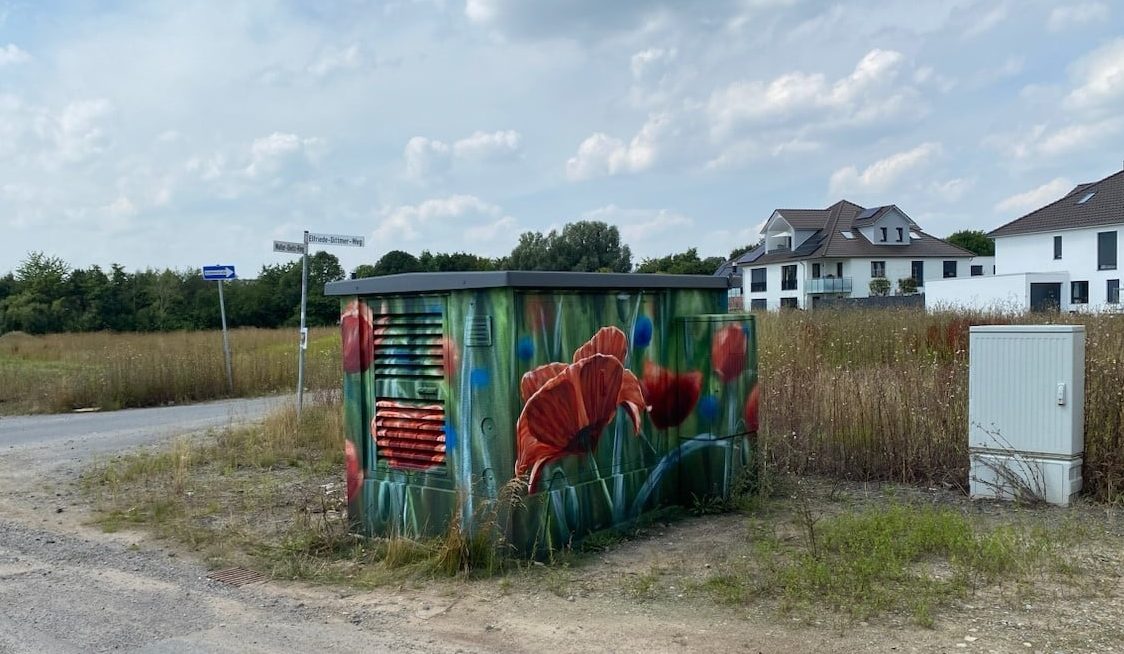
Urban Areas: Typically housed in compact buildings or kiosks, seamlessly blending into cityscapes.
Rural Areas: Often mounted on poles, providing simplified yet effective solutions for lower-density regions.
These facilities regulate voltage, stabilize power supply amidst fluctuating demand, and integrate renewable energy sources like wind and solar into the grid.
Avacon Trafokunst, Foto: Stadt Sarstedt
Transformer stations are essential across various sectors:
Residential Areas: Powering homes and apartment complexes.
Commercial Spaces: Supporting offices, retail centers, and urban developments.
Industrial Zones: Energizing machinery and production lines in factories.
Transformer stations come in various forms, each tailored to specific needs, environments, and technological advancements:
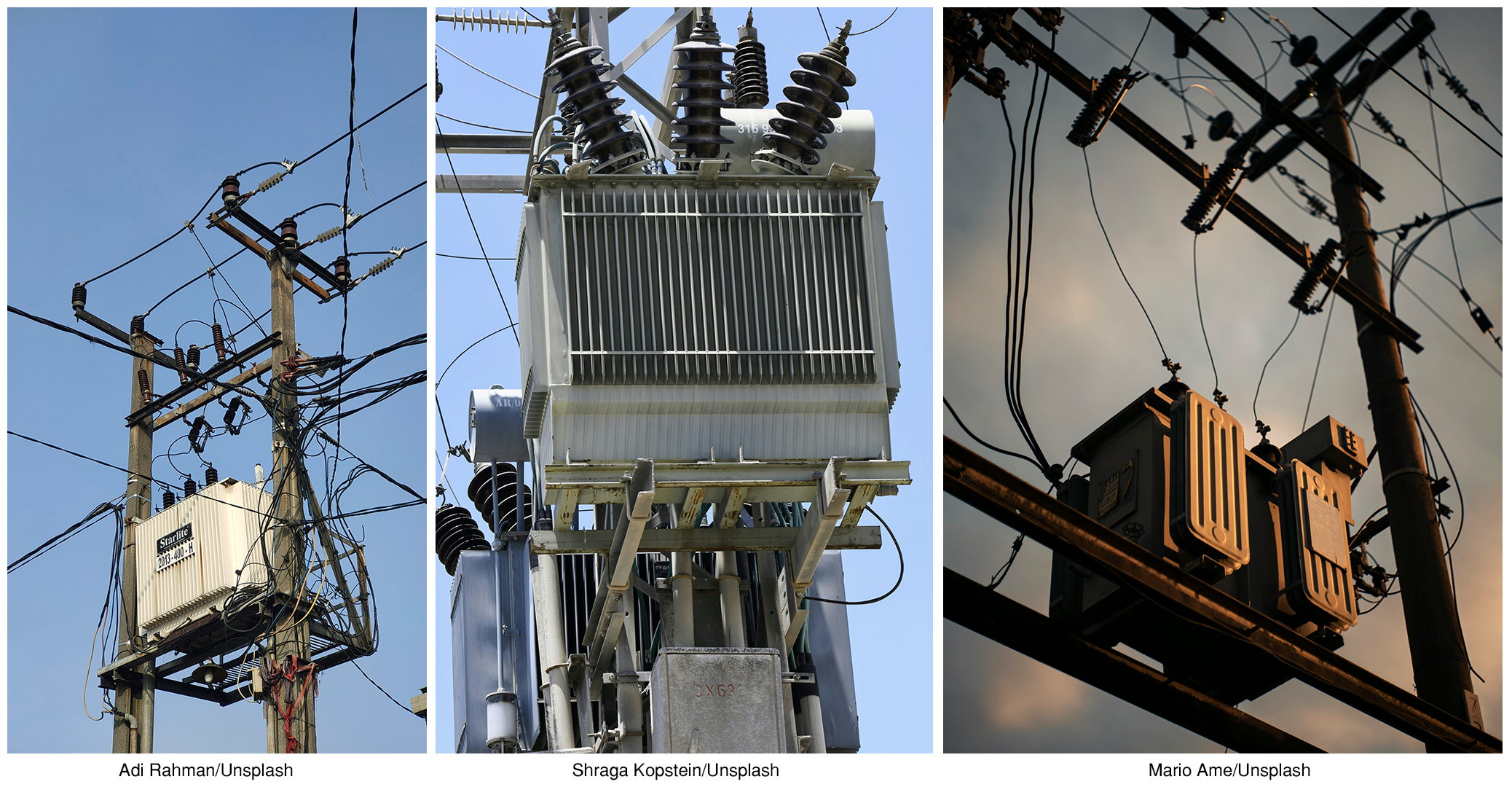
Mounted on concrete poles, these stations are a hallmark of rural and suburban landscapes. Known for their simplicity, cost-effectiveness, and quick installation, they are ideal for areas with lower population density.
Typically supporting up to 400 kVA, pole stations are a practical solution for delivering power to sparsely populated regions.
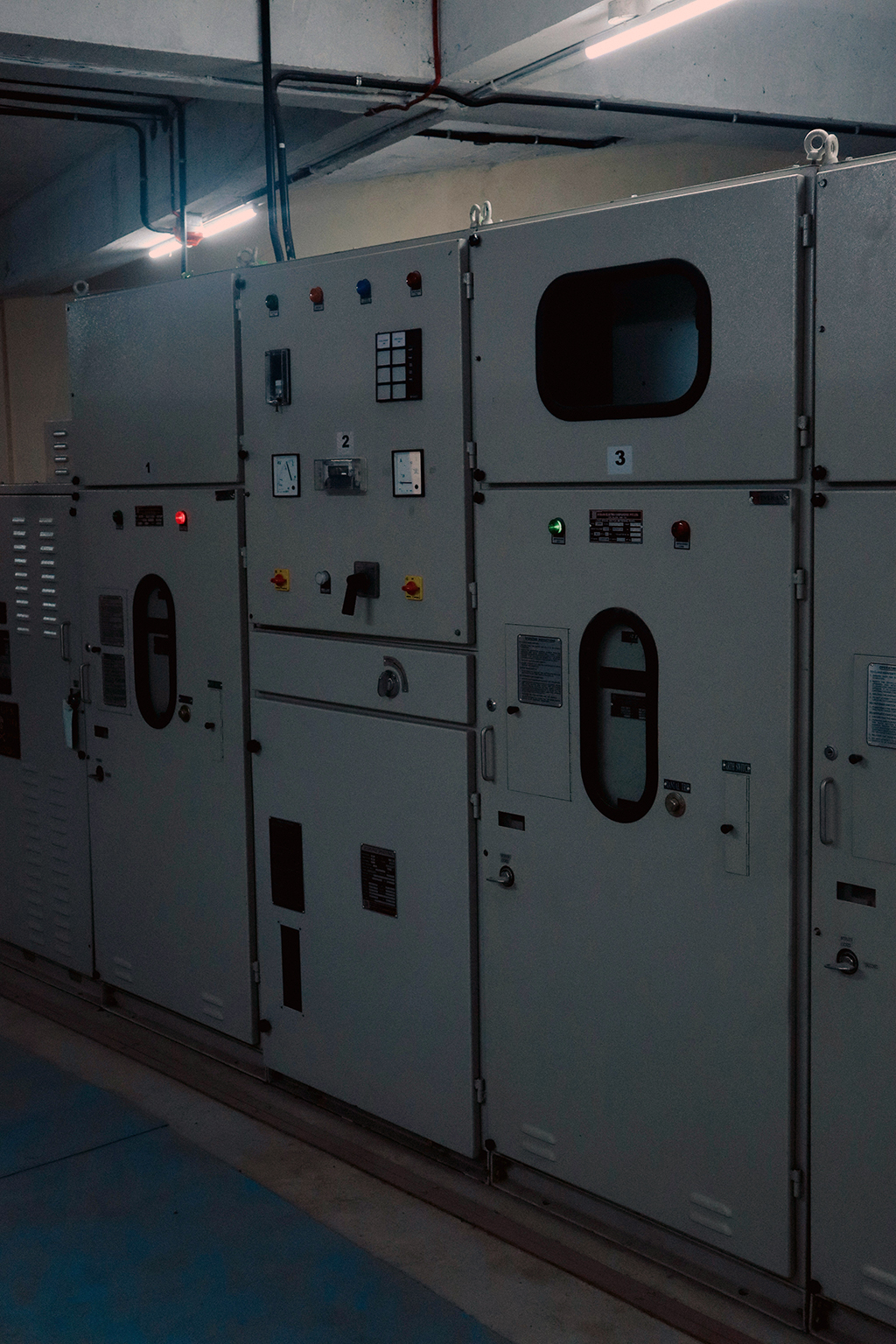
Compact and efficient, indoor stations are integrated into buildings such as residential complexes, offices, or industrial facilities. Their fire-safe designs and robust insulation make them suitable for urban settings, where space is at a premium. These stations are vital for supplying power to housing estates, high-rise buildings, and commercial hubs.
Foto: Muhammed Shazin/Unsplash
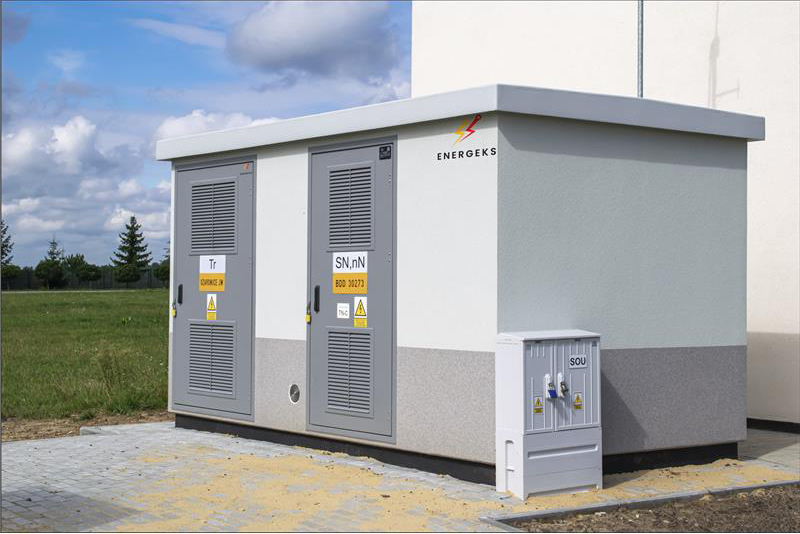
A versatile and self-contained option, container stations are equipped with all essential components, including transformers, medium-voltage (MV) and low-voltage (LV) switchgear, and auxiliary systems. Their adaptability makes them suitable for diverse applications:
Renewable Energy Integration: Stations designed specifically for wind or solar farms, ensuring seamless connection and energy transformation.
Advertising Poles: Combining electrical functionality with signage, these serve dual purposes in urban and commercial spaces.
Reactive Power Compensation: These stations enhance grid efficiency by managing reactive power, reducing energy losses.
Underground Stations: Designed for locations with space constraints or aesthetic requirements, these systems are placed below ground while maintaining high operational standards.
Smart Grid Integration: Advanced stations equipped with smart energy management systems for monitoring, optimization, and fault detection in modern grids.
Concrete Container Stations: Durable designs suitable for heavy-duty applications, often equipped with gas-insulated switchgear (GIS) for improved performance and reduced footprint.
With power ratings ranging from 160 to 1,000 kVA, container stations are ideal for housing developments, public spaces, industrial facilities, and renewable energy projects.
Foto: Energeks
Built for flexibility, mobile transformer stations are mounted on wheeled or skid bases, allowing easy transport to various locations. They are indispensable in scenarios requiring:
Emergency power supply during outages.
Temporary installations for construction or event sites.
Rapid deployment in industrial or disaster recovery operations.
These stations ensure uninterrupted power when and where it’s needed most.
By leveraging the latest innovations in transformer station technology, such as those tailored for renewable energy integration or underground deployment, utilities can enhance their networks' resilience and efficiency. Whether for rural areas, dense urban settings, or specialized applications, these stations represent the diverse and evolving face of modern power distribution.
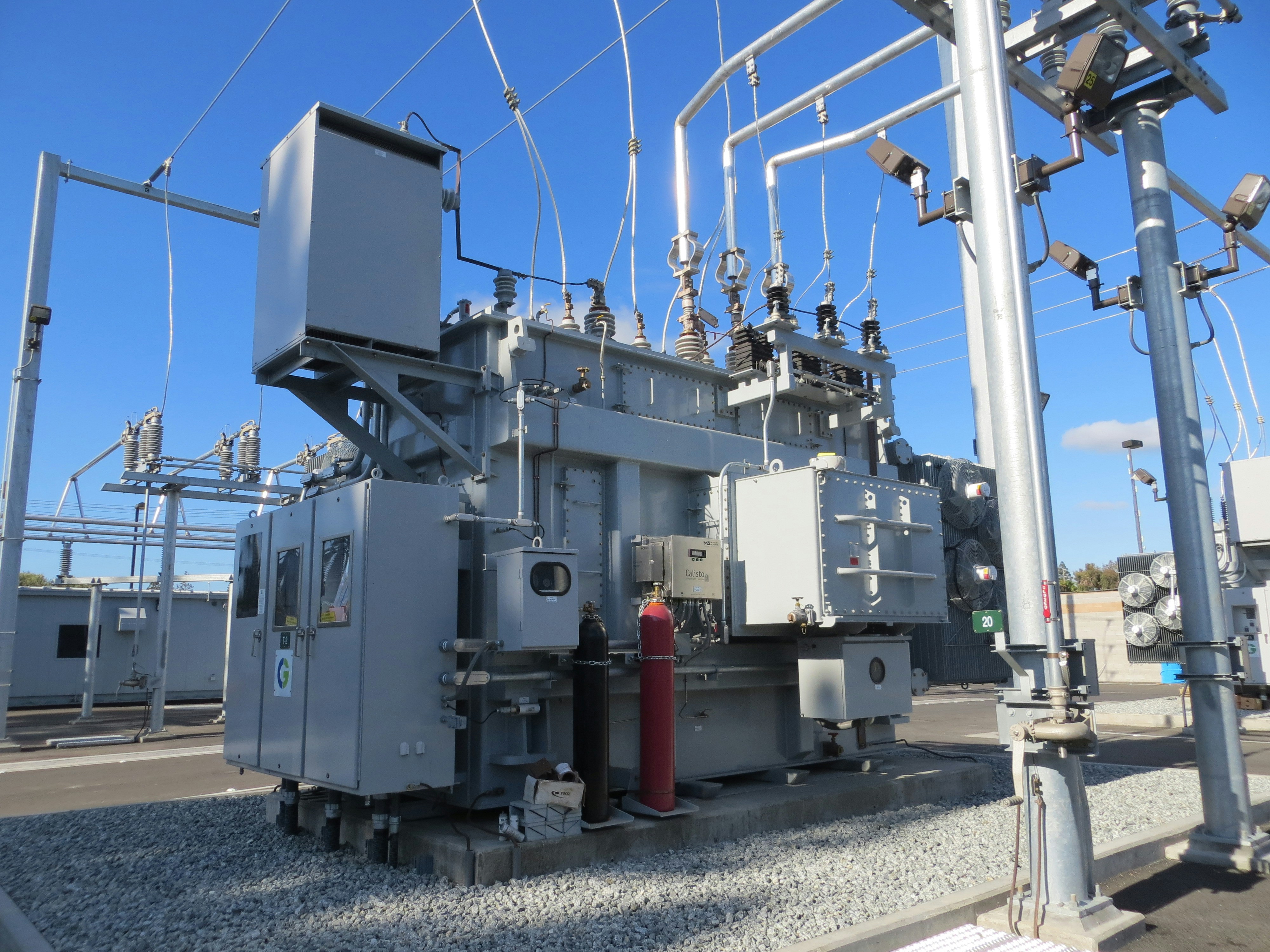
A transformer station, often referred also to as a trafostation, is a critical hub where electricity is transformed and optimized to ensure safe, reliable delivery to end users. Its components work in harmony to regulate voltage and manage the seamless flow of power across the grid.
Transformer:
The heart of the station, the transformer steps voltage up or down depending on the requirements. For end users, it typically reduces high voltage (from 10–30 kV) to low voltage (230/400 V) to make it safe for homes, businesses, and industrial use. Modern transformers are designed to minimize energy losses and improve efficiency.
Medium Voltage (MV) Switchgear:
This component controls and protects the flow of electricity at medium voltage levels. Equipped with circuit breakers and protective relays, it ensures safe operation by isolating faults, preventing overloads, and managing load distribution. Gas-insulated switchgear (GIS) is increasingly used for its compact size and high reliability.
Low Voltage (LV) Switchgear:
Responsible for distributing electricity at low voltage, the LV switchgear protects against electrical faults and ensures safe delivery to end-user facilities. It includes devices such as fuses, circuit breakers, and control panels, safeguarding equipment and personnel from electrical hazards.
Auxiliary Equipment:
Auxiliary systems ensure the station operates smoothly. These include:
Cooling Systems: Maintain optimal operating temperatures for transformers and other components.
Control and Monitoring Systems: Advanced digital systems enable real-time monitoring, fault detection, and remote control, reducing downtime and improving efficiency.
Metering Devices: Provide accurate data on energy consumption and flow, aiding in system optimization and billing accuracy.
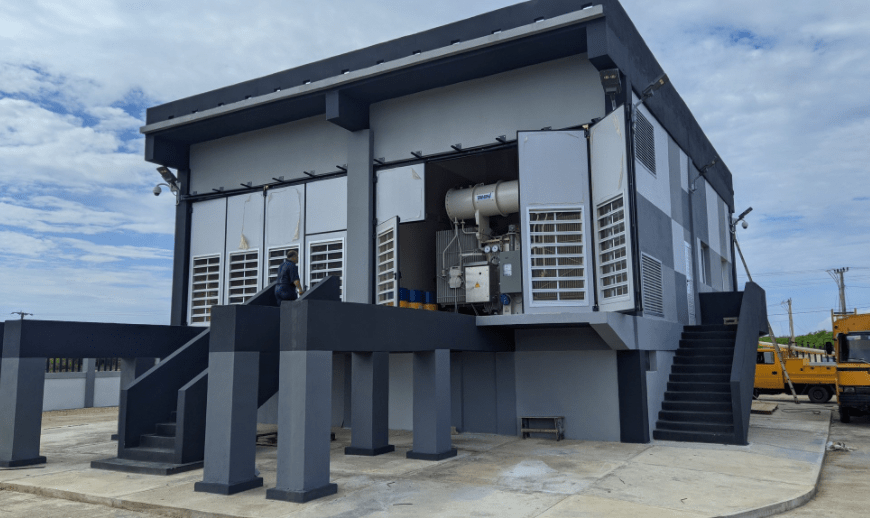
Foto: CR Technology Systems
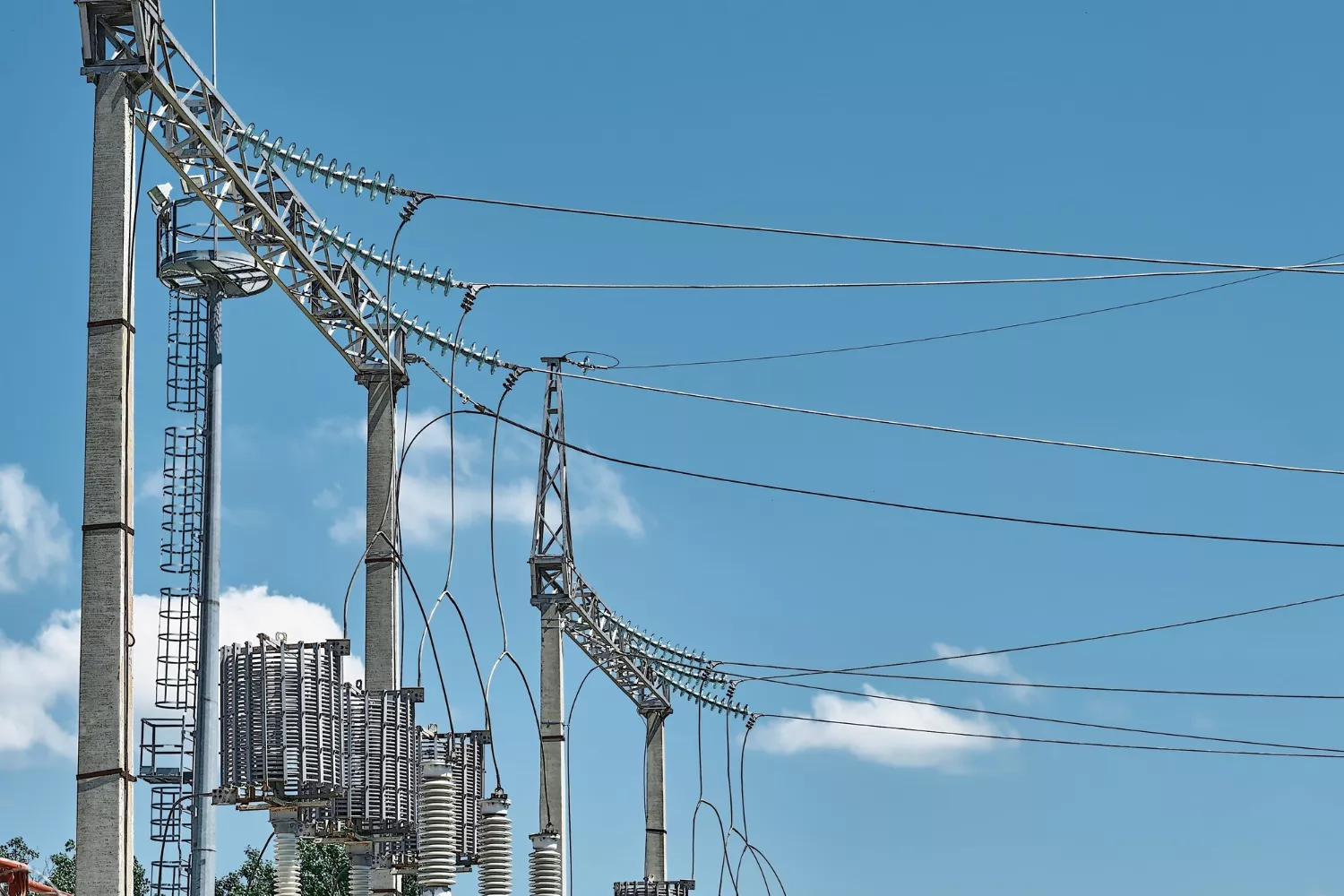
In the Matanzas region of Cuba, an electrical substation was constructed to meet the growing demand for electricity during the tourist season, combining advanced technological performance with a design that blends harmoniously into the surrounding landscape.
The transformation process lies at the heart of effective power distribution, enabling the seamless delivery of electricity from large-scale generation to the devices and systems we rely on daily. This process ensures that electricity generated at power plants, transmitted at extremely high voltages to minimize energy loss, is converted into levels suitable for safe and efficient use by end consumers.
When electricity reaches a transformer station, its voltage is adjusted to meet the specific needs of the grid and end users. This process is more than technical—it’s a cornerstone of operational stability and energy efficiency.
Safe Operation of Electrical Devices: Voltage regulation ensures that energy delivered to homes, businesses, and industrial facilities is at levels that equipment can safely handle. Without this step, devices and systems could be damaged by inconsistent or excessive voltages.
Efficient Energy Distribution: High-voltage transmission minimizes losses over long distances, but precise voltage transformation at the station ensures minimal loss during the final distribution to end users.
Reliable Power Supply in Fluctuating Conditions: Transformer stations stabilize the flow of electricity, accommodating varying demands across urban, rural, and industrial networks while maintaining consistent delivery.
Transformer stations are more than passive intermediaries in the grid—they are dynamic systems enabling modern energy solutions. By bridging high-voltage transmission lines with consumer-ready power, they:
Integrate renewable energy sources into the grid, ensuring clean energy reaches end users efficiently.
Enable the adoption of smart grid technologies by facilitating advanced monitoring and control systems.
Support growing energy demands from expanding urbanization and technological advancements.
This pivotal role underscores the importance of maintaining, upgrading, and modernizing transformer stations to meet current and future energy challenges. They are not just elements of infrastructure—they are vital enablers of the modern energy ecosystem, connecting the immense power generated by plants with the everyday lives of billions.
Why modernizing transformer stations is crucial?
Aging infrastructure in power distribution poses significant challenges, from inefficiencies that drive up operational costs to outages that disrupt critical services. Modernizing transformer stations is not just a necessity — it’s a strategic investment in resilience, sustainability, and future-readiness.
Here’s how modernization addresses these challenges and unlocks transformative opportunities:
Outdated transformer stations often suffer from energy losses due to inefficient components and design limitations. Modernized stations incorporate advanced materials, optimized designs, and energy-efficient components, resulting in:
Reduced Operational Costs: Lower energy losses translate into significant cost savings for utilities and operators.
Higher Load Handling: Enhanced capacity to manage increasing demand from growing urbanization and industrialization.
Smarter Operations: Intelligent monitoring and automated control systems optimize energy flow in real time.
As the global energy mix shifts toward sustainability, the need for infrastructure that accommodates renewable energy sources is paramount. Modern transformer stations are equipped to:
Handle Variable Inputs: Seamlessly integrate energy from wind farms, solar panels, and other intermittent renewable sources.
Stabilize the Grid: Use energy storage and reactive power compensation to maintain grid stability during fluctuations.
Facilitate Decentralized Grids: Support distributed energy resources (DERs) and microgrids for localized power generation and consumption.
The increasing complexity of energy demands requires infrastructure that minimizes risks and enhances operational resilience. Upgraded transformer stations provide:
Reduced Downtime: Advanced diagnostics and predictive maintenance systems preempt failures before they occur.
Higher Resilience: Modern materials and designs withstand extreme weather, ensuring uninterrupted power delivery.
Cybersecurity Enhancements: Integrated digital systems safeguard against cyber threats in an era of connected grids.
Modernization also helps meet stringent environmental standards and regulatory requirements by:
Reducing Carbon Footprint: Energy-efficient designs and compatibility with renewables lower greenhouse gas emissions.
Minimizing Noise and Visual Impact: Compact and insulated designs reduce environmental disruption in residential and urban areas.
Improved Safety Standards: Advanced insulation and fireproofing materials ensure safer operations for personnel and the community.
Modernized stations are designed with scalability and adaptability in mind, enabling:
Support for Smart Grids: Integration with IoT devices and digital platforms for real-time data sharing and analytics.
Flexibility for Expanding Demands: Modular designs accommodate future upgrades without significant overhauls.
Enhanced Consumer Experience: Improved grid reliability and efficiency translate into better service quality for end users.
By investing in modernization, utilities and operators not only mitigate the risks of aging infrastructure but also position themselves to lead in a rapidly evolving energy landscape. A modern transformer station is more than a functional upgrade — it’s a cornerstone of a smarter, greener, and more resilient power grid.
Substation accessories: the transformer connects to the LV switchgear through clamps on its bushings. How to match them to the rating is explained in how to choose a transformer clamp, and complete sets are in our transformer clamps category.
Transformer stations are more than technical installations — they are the lifelines of our power grid. As we embrace cleaner energy, higher demands, and smarter technologies, the need for modernization becomes ever more pressing. By investing in upgrades, operators not only improve reliability but also contribute to a more sustainable and resilient energy future.
Whether you're an industry professional, a business owner, or simply someone curious about the power behind the switch, understanding transformer stations equips you to make informed decisions about the future of energy.
Contact us for expert advice and tailored solutions!
Sources:
International Electrotechnical Commission (IEC)
Shipped from our warehouse in Poland within 2–3 working days, 5-year warranty. Full range 25–2500 kVA in the shop (prices in PLN).
No reviews!