7 Jan
2025
Energeks
Discover the fascinating history of transformers – devices that revolutionized the transmission and distribution of electricity, becoming the cornerstone of modern energy systems.
Brew your favorite coffee and take a short break for growth – this read will not only let you uncover the captivating history of transformers but also understand how their evolution has shaped contemporary energy systems. In just few minutes, you’ll be inspired by discoveries that changed the world and learn why investing in modern technology is essential. Ready for this journey through time?
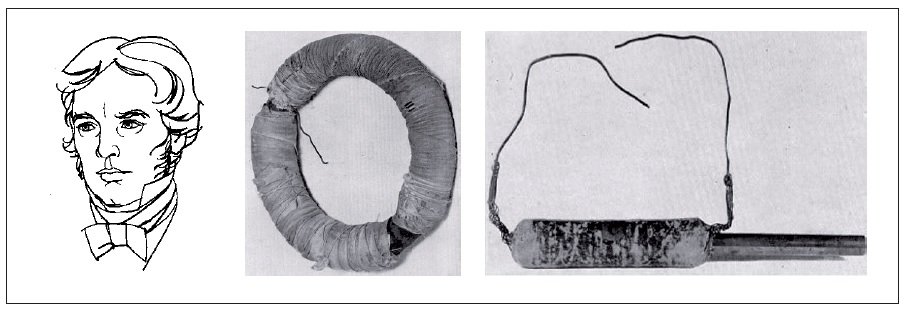
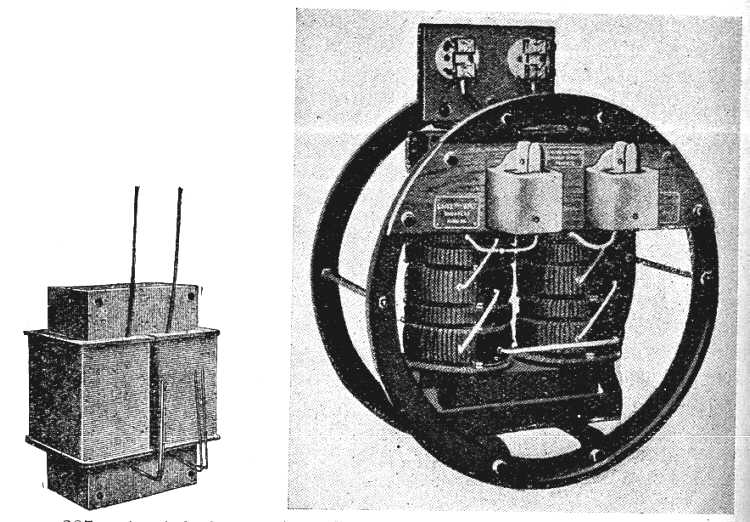
The first attempts to harness the phenomenon of electromagnetic induction date back to the 1830s, when Michael Faraday made a groundbreaking discovery in 1831. Faraday’s experiments involved passing current through one coil placed on an iron ring, which induced current in a second coil – this phenomenon became the foundation of transformer operation. Faraday demonstrated that a changing magnetic field in one circuit could induce current in another, paving the way for further research and technological applications.
CC: www.fuw.edu.pl
In the following decades, various scientists and engineers attempted to refine this phenomenon, but a true breakthrough came in 1876 when Russian scientist Pavel Yablochkov designed and applied a device resembling a transformer in practice. Yablochkov, also known as the creator of the electric candle, utilized his knowledge of alternating current to build a simple transformer that powered his invention.
Although Yablochkov's device was still primitive, it marked the first practical step toward the development of transformers and their applications in electrical distribution systems. This innovative solution demonstrated the potential of electromagnetic induction in practice, paving the way for more advanced designs in the years to come.
CC: BY4.0/CTAC
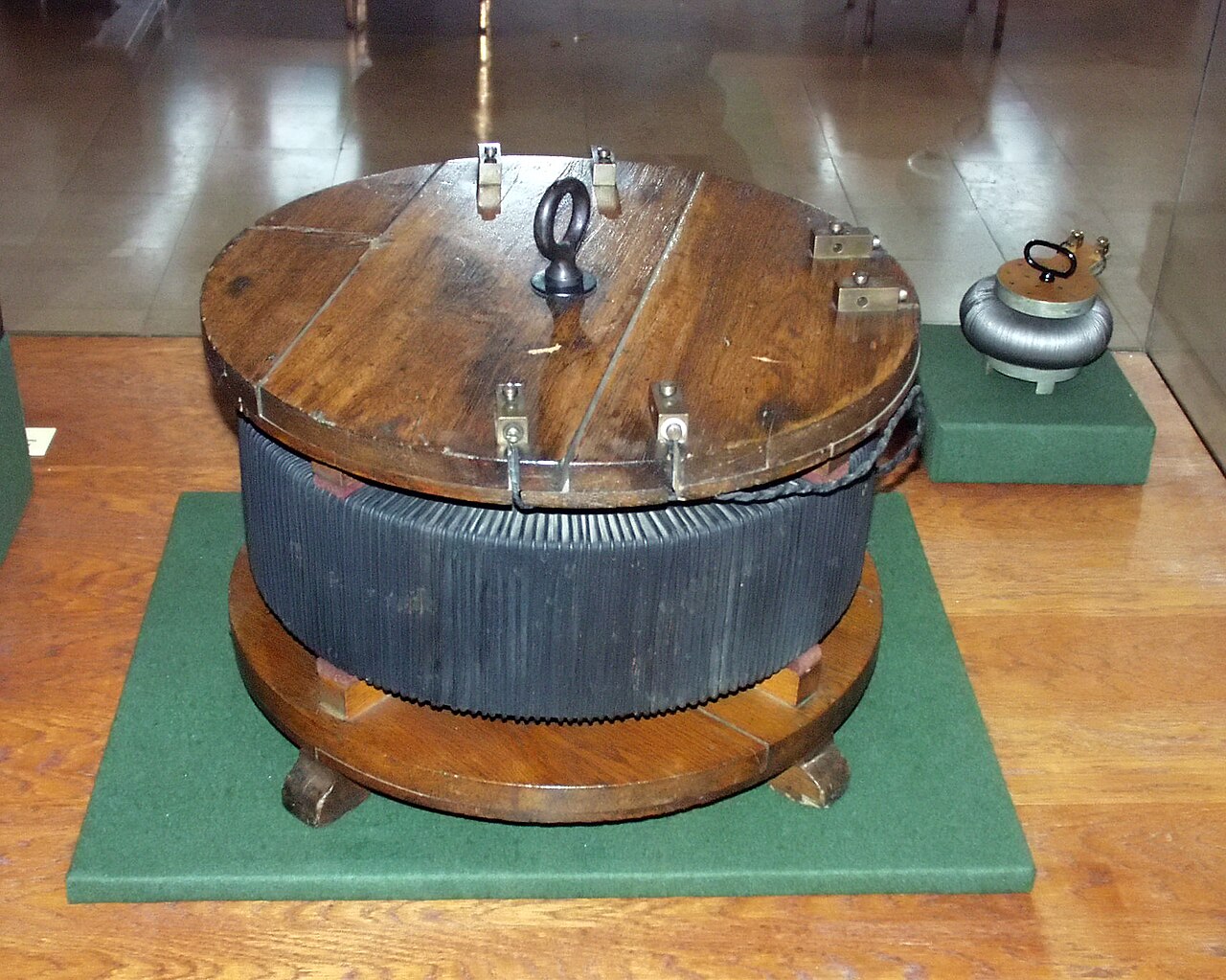
In 1885, the Hungarian company Ganz Works in Budapest built the first transformers with cores made of enameled soft iron. This marked a groundbreaking moment in the history of energy, as it introduced the use of laminated electrical cores, which remain the foundation of transformer construction to this day. Laminated cores, unlike solid iron blocks, significantly reduce energy losses caused by eddy currents, thereby improving device efficiency.
CC: Ganz Works, 1886
The transformer core serves a fundamental role by providing a low-reluctance path (the resistance a material offers to the flow of magnetic flux) for the magnetic flux linking the primary and secondary windings. This allows the transformer to effectively convert voltage and current. However, this process is not without its drawbacks.
Iron losses, caused by hysteresis (a phenomenon where the response of a system to external changes, such as magnetic field variations, depends on its prior state – the system "remembers" its past and reacts with delay) and eddy currents (electric currents induced in a conductor by a changing magnetic field, resulting in energy losses as heat), lead to core heating and wasted energy. This issue was particularly pronounced in early designs, inspiring engineers to search for better materials and technologies.
Transformer Prototype CC: BY SA 3.0/Zatonyi Sandor
In response to these challenges, research on electrical steels focused on minimizing energy losses and reducing noise generated by transformers during operation. In later years, iron alloys with added silicon were introduced, which significantly reduced magnetic losses.
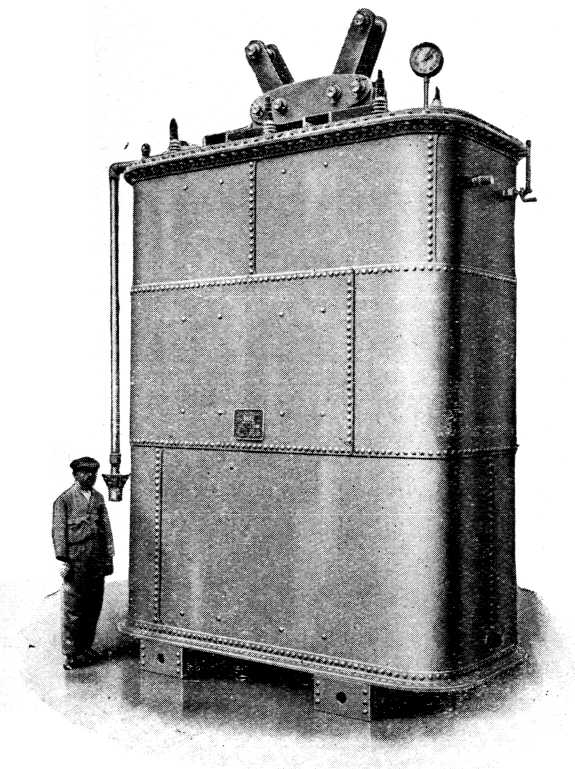
Transformer 21 000 kW CC: PEsti Hírlap, 1911
Early transformer designs relied on cores made from bundles of soft iron. While simple, this solution was inefficient, as such cores generated significant energy losses due to eddy currents and magnetic hysteresis. As technology advanced and efficiency demands increased, high-quality wrought iron cores began to be used in the 1880s. This material offered greater purity and improved magnetic properties compared to soft iron, enhancing transformer performance.
Around 1900, a major breakthrough was made with the discovery that adding small amounts of silicon or aluminum to iron significantly reduced magnetic losses. The introduction of these additives minimized eddy current losses and improved the magnetic properties of the materials. This led to the development of specialized alloys that revolutionized transformer core design and initiated the production of electrical steels, which remain fundamental to transformer construction today.
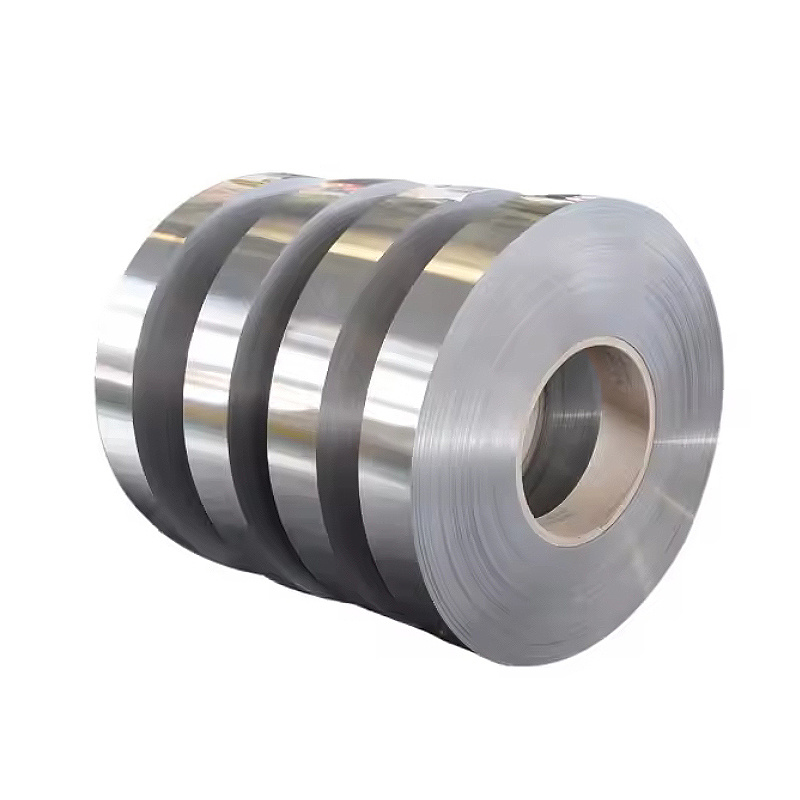
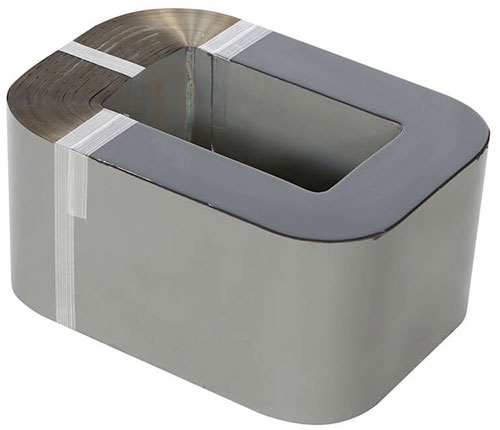
In the 1920s, scientists discovered that silicon steel crystals exhibited anisotropic properties, meaning their magnetic characteristics varied depending on the direction. This discovery paved the way for the development of grain-oriented silicon steel, where magnetic properties were optimized in a specific direction. This technology saw practical application in 1934, and five years later, in 1939, the first commercial cold-rolled grain-oriented steel (CRGO) was introduced. This steel had a thickness of 0.32 mm and losses of 1.5 W/kg at a magnetic flux density of 1.5 T and a frequency of 50 Hz.
CC: Jiuzhou Metal
CRGO szybko stało się standardem w produkcji transformatorów dzięki swoim wyjątkowym właściwościom – minimalizacji strat magnetycznych, łatwości w obróbce i wytrzymałości mechanicznej. Postęp w technologii CRGO trwał dalej, prowadząc do redukcji grubości blach, poprawy orientacji ziaren oraz zmniejszenia strat energetycznych. W kolejnych latach materiały te zostały wzbogacone o nowe innowacje, takie jak stal laserowo obrabiana w latach 80. XX wieku, co pozwoliło na dalsze zwiększenie efektywności i redukcję strat.
Technological advancements in transformer core materials accelerated in the second half of the 20th century. In 1965, the Japanese company Nippon Steel Corporation introduced innovative high-permeability silicon steel, revolutionizing transformer design. A key feature of this material was its uniform grain orientation, achieved through advanced processing techniques. This allowed the steel to achieve significantly higher magnetic flux density and saturation, resulting in substantial reductions in energy losses in transformers.
Commercial production of this steel began in 1968 and quickly found applications in large power transformers, where energy efficiency was critical. Further research by Nippon Steel led to another breakthrough in 1980 – the introduction of laser-processed silicon steel with even higher permeability. This process utilized laser technology to precisely modify the material’s structure, further improving grain orientation and minimizing magnetic losses.
CC: Adobe Stock
By 1983, this steel was produced in a reduced thickness of just 0.23 mm, significantly lowering energy losses in transformer cores. At a flux density of 1.7 T and a frequency of 50 Hz, losses in this steel were as low as 0.85 W/kg – a groundbreaking achievement at the time. This technology enabled the design of more compact and efficient transformers that emitted less heat and noise.
Thanks to continuous innovation, modern transformer core materials support global efforts toward sustainable development, minimizing energy losses and enhancing the efficiency of energy infrastructure. Companies like Nippon Steel continue to research even more advanced materials to drive the next generation of transformers
.
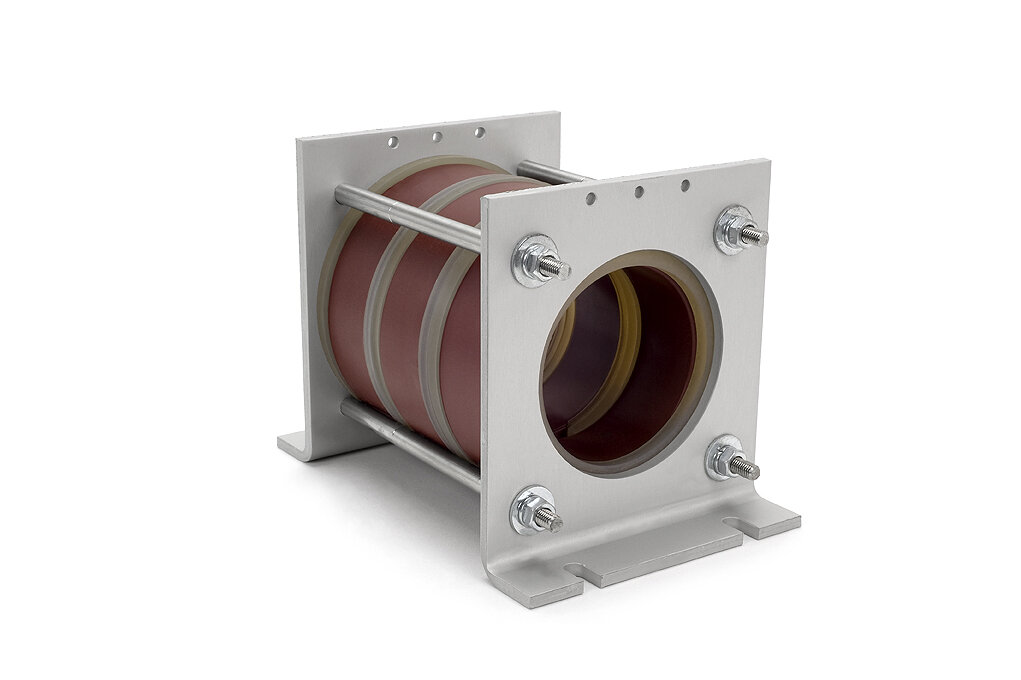
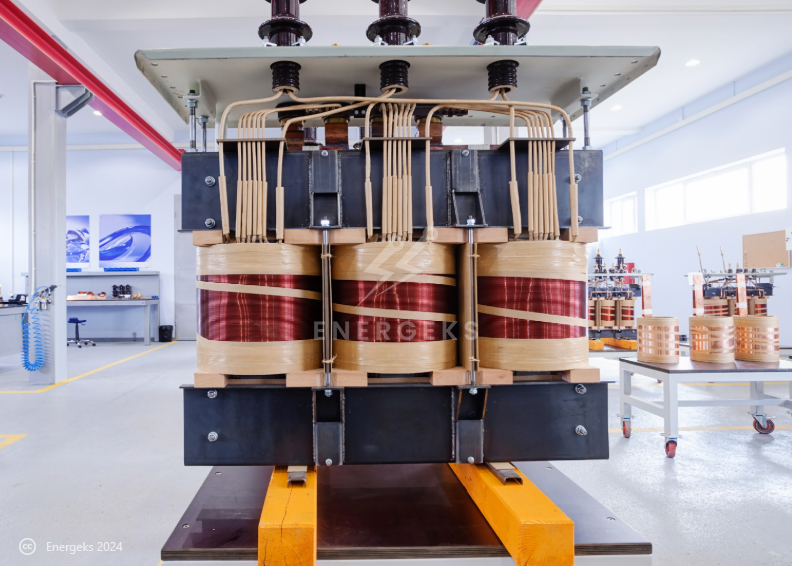
The introduction of amorphous metal alloys in the 1970s opened a new chapter in transformer core technology. These materials differ from traditional silicon steels due to their non-crystalline structure, resembling metallic glass. They are created by rapidly cooling molten metal, which prevents the formation of regular crystals. With exceptionally low magnetic losses, amounting to just 20–25% of those in the best silicon steels, amorphous cores significantly improve transformer energy efficiency.
However, they have limitations – at flux densities above 1.56 T, losses increase, reducing their efficiency in applications requiring higher induction levels. Additionally, their relatively low mechanical strength and challenges in processing limit their use.
Epoxy resin coating with amorphous core, CC: Pioneer Transfomers Ltd.
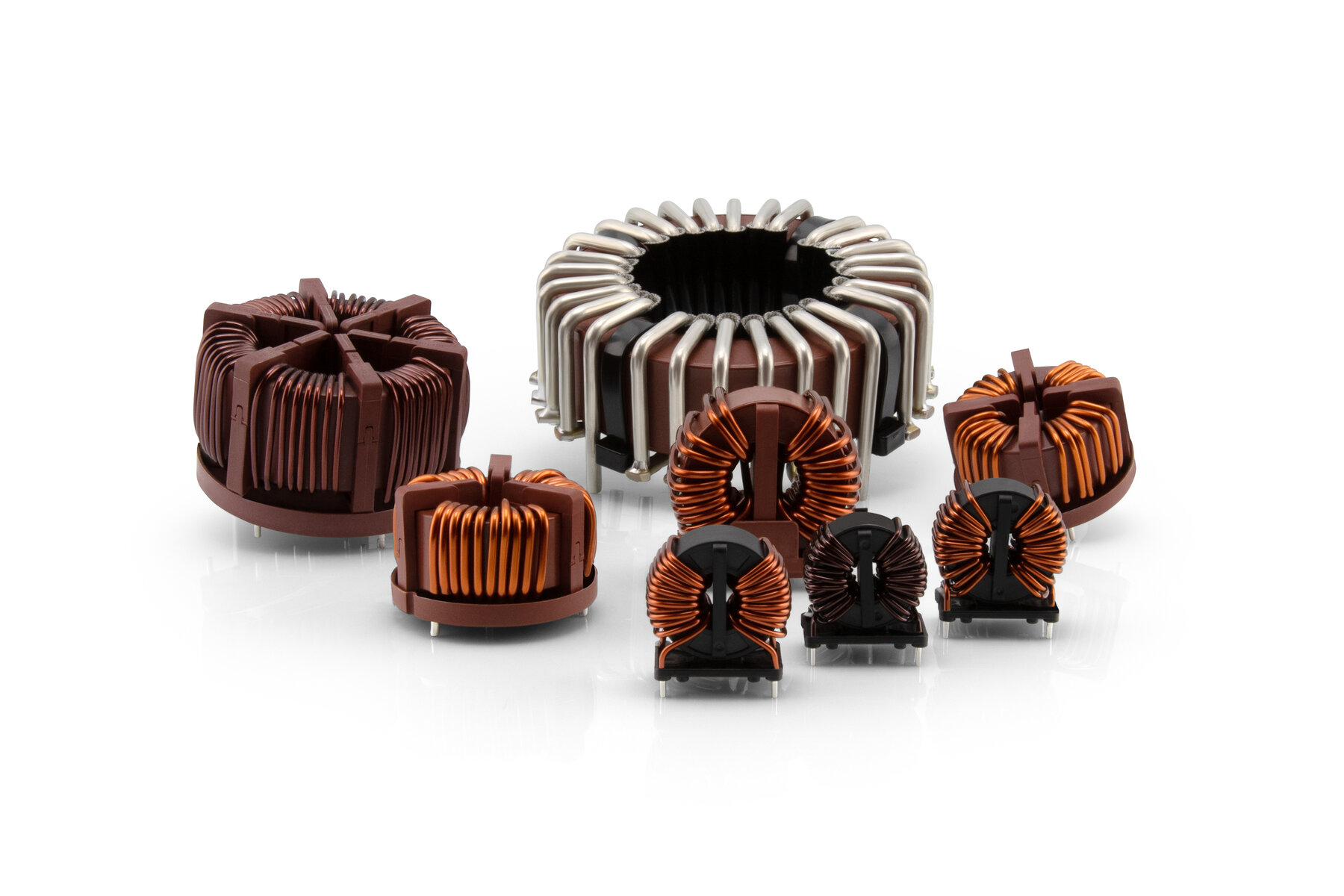
Rozwijane w latach 90. XX wieku rdzenie nanokrystaliczne to kolejny przełom. Powstają z metalicznego szkła poddanego kontrolowanej krystalizacji, tworząc strukturę nanometrowych kryształów. Zapewniają wysokie nasycenie magnetyczne i przenikalność w szerokim zakresie częstotliwości, a także niskie straty AC i efektywność w wysokich temperaturach.
Znajdują zastosowanie w transformatorach energetycznych, przetwornicach mocy i zasilaczach impulsowych, gdzie minimalizacja strat i wysoka efektywność są kluczowe.
Nanocrystalline core assemblies CC: VAC Vacuumschmelze Gmbh
Both types of cores demonstrate how advanced materials engineering enables the development of more efficient and environmentally friendly technologies. Research focused on further reducing energy losses, improving mechanical properties, and lowering production costs will expand their applications, supporting global efforts toward sustainable development.
Industrial chokes CC: VAC Vacuumschmelze Gmbh
Modern transformers utilize advanced materials and technologies to minimize energy losses and improve efficiency. One example is the use of amorphous cores in distribution transformers, which enable significant energy savings. Additionally, advancements in production technologies, such as precise core cutting and stacking, enhance transformer performance and reliability.
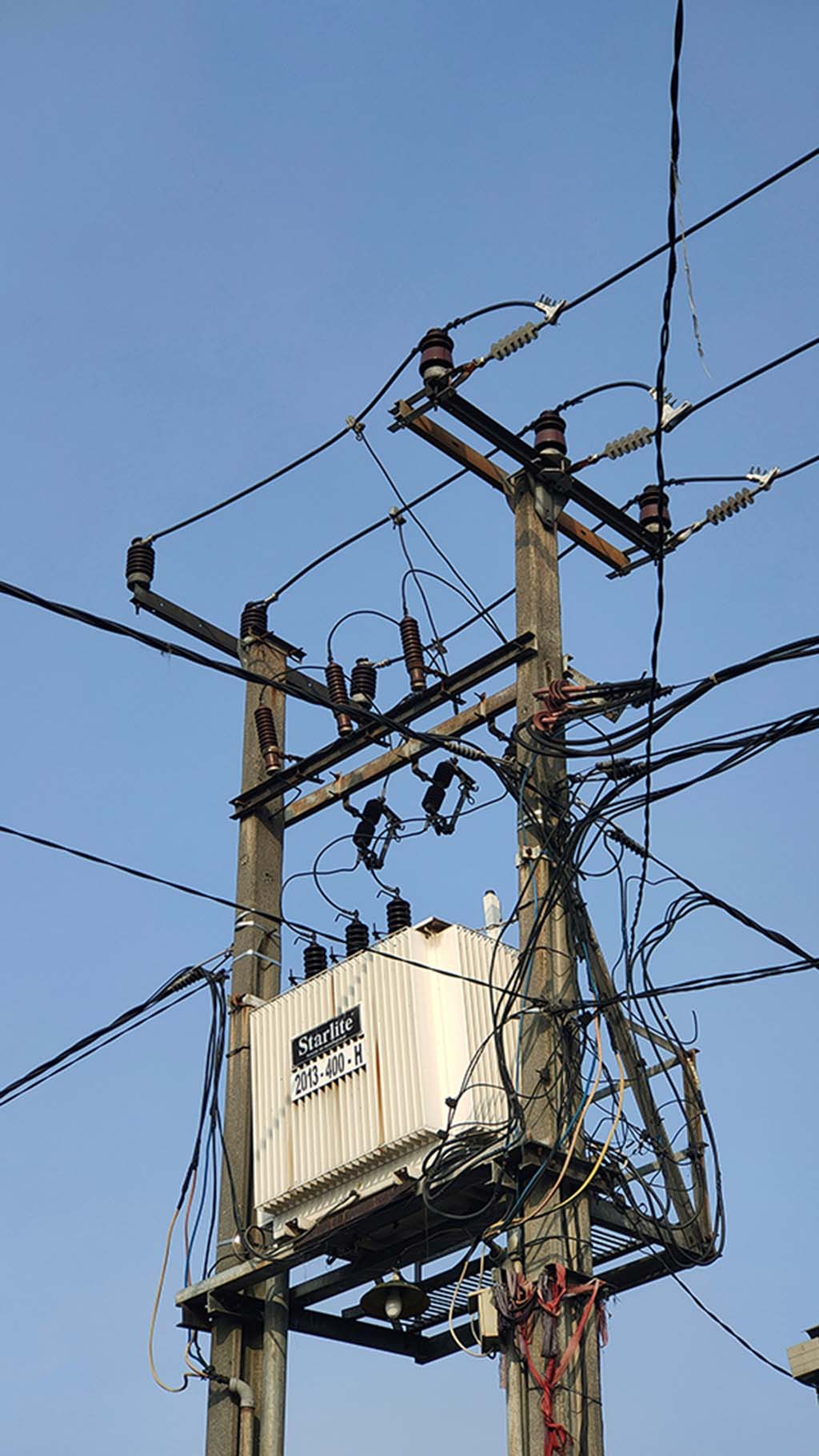
Today, transformers leverage cutting-edge materials and technologies that significantly boost their efficiency while minimizing energy losses. Among the most promising solutions are cores made of amorphous materials, which, due to their exceptionally low magnetic losses, are widely used in distribution transformers.
Distribution transformer at a pole-mounted transformer station CC: Adi Rahman/Unsplash
Their use enables significant energy savings, resulting in lower operational costs and reduced CO₂ emissions.
Another important area of innovation is the advancement of production technologies. Precise techniques for cutting and stacking cores, such as laser processing and automated production lines, ensure not only greater efficiency but also improved transformer reliability. Additionally, progress in insulation and conductive materials, such as higher-conductivity copper, allows for further optimization of device performance.
As technology advances and the demand for efficient energy systems grows, transformers will continue to evolve. Future innovations will focus on further reducing energy losses and the size of devices, making them easier to integrate into limited urban and industrial spaces. A key role will also be played by their integration into smart energy grids (Smart Grids), enabling dynamic load management, improved system stability, and minimized transmission losses.
Another important direction will be the use of advanced materials, such as the aforementioned nanocrystalline cores, and the development of digital monitoring and diagnostic technologies for transformers. These innovations will enable real-time remote monitoring of device conditions, prediction of potential failures, and extended transformer lifespans, significantly reducing the cost of maintaining energy infrastructure.
CC: Freepik
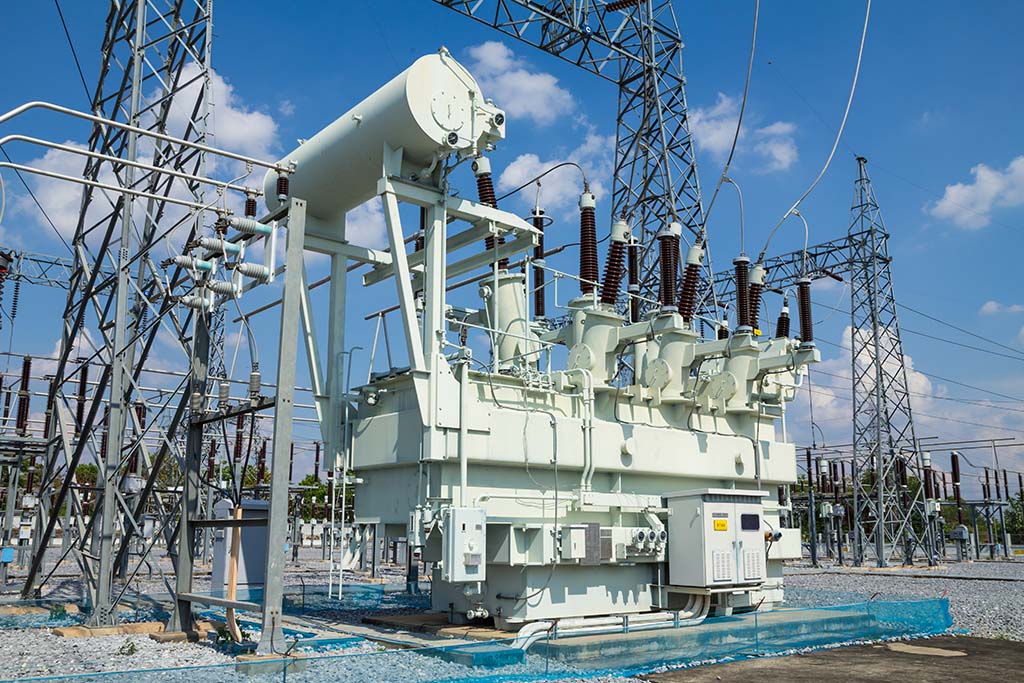
At Energeks, we believe a transformer is more than just a device – it is the key to a sustainable future and innovation in energy. Every day, we proudly deliver solutions that not only meet the demands of today’s market but also set new standards. Our transformers combine reliability, energy efficiency, and advanced technologies, ensuring that energy works better for all of us.
CC: energeks.com
Every project we undertake is a step toward intelligent infrastructure and a greener world. Whether through the application of modern materials or the design of devices built with future generations in mind, at Energeks, we always look ahead. Our experience, passion, and relentless pursuit of excellence make us not only a leader in the industry but also a partner committed to supporting your energy transformation. Let’s connect!
Sources:
No reviews!