14 Mar
2025
Energeks
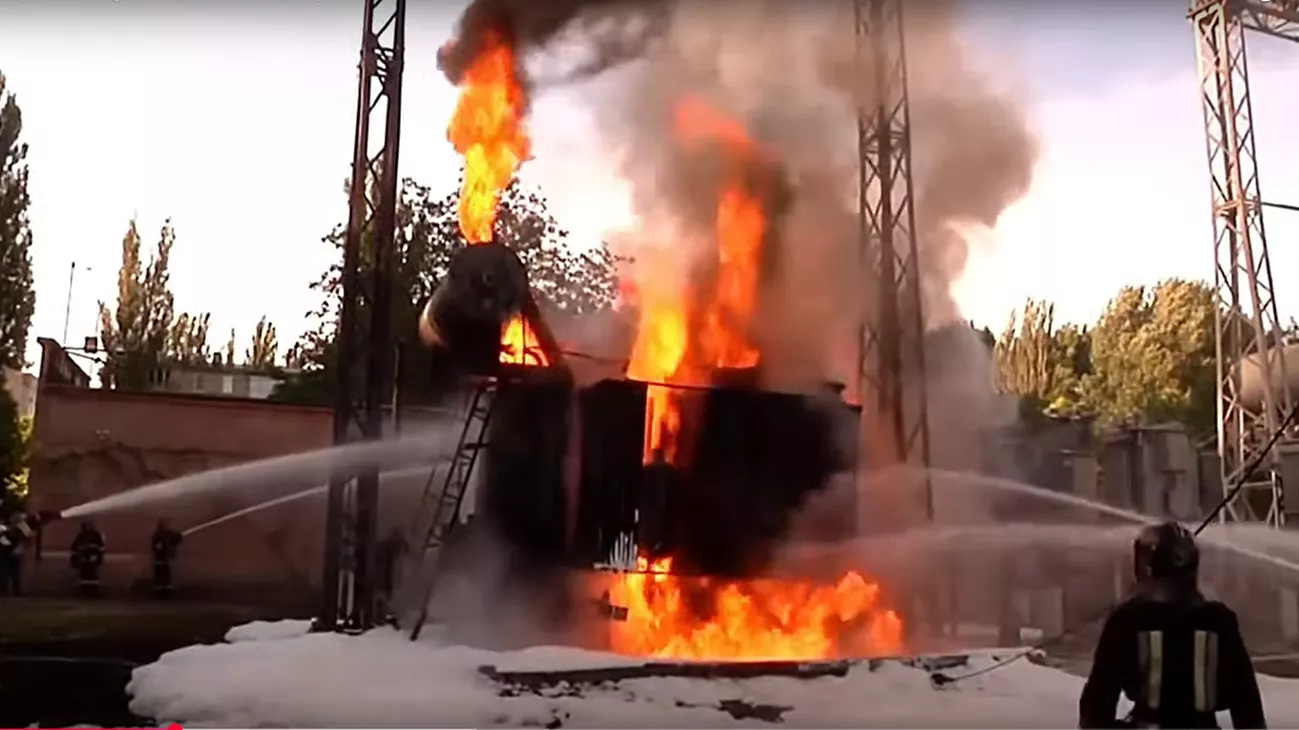
A transformer explosion! Smoke, flames, sudden blackout… Sounds like a scene from a disaster movie? Unfortunately, this is a reality that power engineers around the world must face. A transformer explosion is not just a dramatic event, it causes power outages, endangers lives, poses a fire hazard, and leads to massive repair costs.
The causes vary, from human errors to natural forces. Understanding these risks is the first step in preventing them. Today, we will analyze the 10 most critical causes of transformer failures and how to avoid them.
Reading time: 3 minutes
Many transformer failures are caused by animals. Weak points in transformer structures often become shelter for birds, rodents, and reptiles. Utility poles and transformer substations provide protection from predators and harsh weather conditions. Unfortunately, when animals come into contact with live electrical components, they can cause short circuits, leading to overheating and explosions.
Using protective mesh screens, physical barriers, and ultrasonic deterrents can significantly reduce incidents. Additionally, implementing monitoring systems with motion detection helps ensure a quick response.
A transformer exposed to an impulse of millions of volts can suffer insulation breakdown and internal electrical arcing. This can result in an explosion of insulating oil and complete destruction of the unit. The extreme voltage surge damages the structural integrity of the windings, leading to an uncontrollable thermal reaction.
Installing advanced surge arresters and regularly inspecting grounding systems significantly reduces the risk of transformer failures due to lightning strikes.
Exceeding the permissible load capacity of a transformer leads to a sudden increase in temperature in the core and windings. If the cooling system fails to dissipate heat effectively, the insulation begins to degrade, increasing the risk of short circuits and explosions.
Implementing smart load management systems, thermal imaging diagnostics, and precise temperature sensors helps monitor transformer conditions and prevent overloading.
Every transformer relies on insulation between windings to prevent uncontrolled current flow. Factors such as high temperatures, moisture, and the aging of insulating materials gradually degrade their effectiveness. When insulation fails, it can lead to internal short circuits and transformer explosions.
Regular diagnostic testing, including insulation resistance measurements and electric field distribution analysis, helps detect early signs of degradation and prevent failures.
In large transformers, the cooling system whether using insulating oil, forced air circulation, or water—plays a critical role. If cooling malfunctions, internal temperatures rise, causing insulation to weaken over time and increasing the risk of explosion.
Implementing advanced cooling system monitoring and thermal imaging sensors allows for early detection of issues before they escalate into major failures.
Improper operation, incorrect transformer configuration, or inadequate maintenance are common causes of transformer failures. Even minor mistakes can lead to overheating, short circuits, or complete transformer breakdown.
Regular technical training and the use of digital maintenance management systems help eliminate human errors and improve the reliability of transformer operations.
Moisture, dust, and chemical deposits accumulating on insulators can create conductive paths, increasing the risk of short circuits and trnasformer failures. These contaminants degrade insulation performance and can lead to electrical arcing, ultimately causing an explosion.
Using hermetically sealed enclosures, dehmuidification systems, and regular maintenance inspections significantly reduces the impact of environmental factors on transformer reliability.
Faults in core construction, poor-quality windings, or defective insulation can lead to transformer explosions, sometimes even within a short period of operation. Manufacturing inconsistencies can create weak points that fail under electrical or thermal stress.
Strict quality control testing and selecting reputable component suppliers help eliminate manufacturing defects and ensure transformer reliability.
Sudden voltage increases can overload transformer windings, causing insulation breakdown and leading to short circuits or explosions. These surges may be caused by grid fluctuations, switching operations, or external disturbances such as lightning strikes.
Implementing modern voltage regulators and advanced anomaly detection systems provides effective protection against harmful power surges.
In the era of digtialization, transformer control systems are vulnerable to cyberattacks, which can result in intentional overloading or operational disruptions. Hackers targeting SCADA or IoT-based monitoring can manipulate parameters, leading to transformer failures.
Using data encryption, segmenting control networks, and conducting regular security updates are essential to safeguarding electrical infrastructure against cyber threats.
For more insights, visit our blog:
Cyber attacks on the energy sector: securing critical infrastructure from digital threats
Energeks provides state-of-the-art transformers and protection systems that eliminate failure risks and maximize the efficiency of power infrastructure. With our expertise and advanced technological solutions, we help companies avoid costly downtimes and potential hazards.
Check out the Energeks store, where we offer ready-to-install transformer units. Contact us today to find the perfect solutions for your infrastructure!
Cover Photo: YouTube
Shipped from our warehouse in Poland within 2–3 working days, 5-year warranty. Full range 25–2500 kVA in the shop (prices in PLN).
No reviews!