24 Sep
2024
Energeks
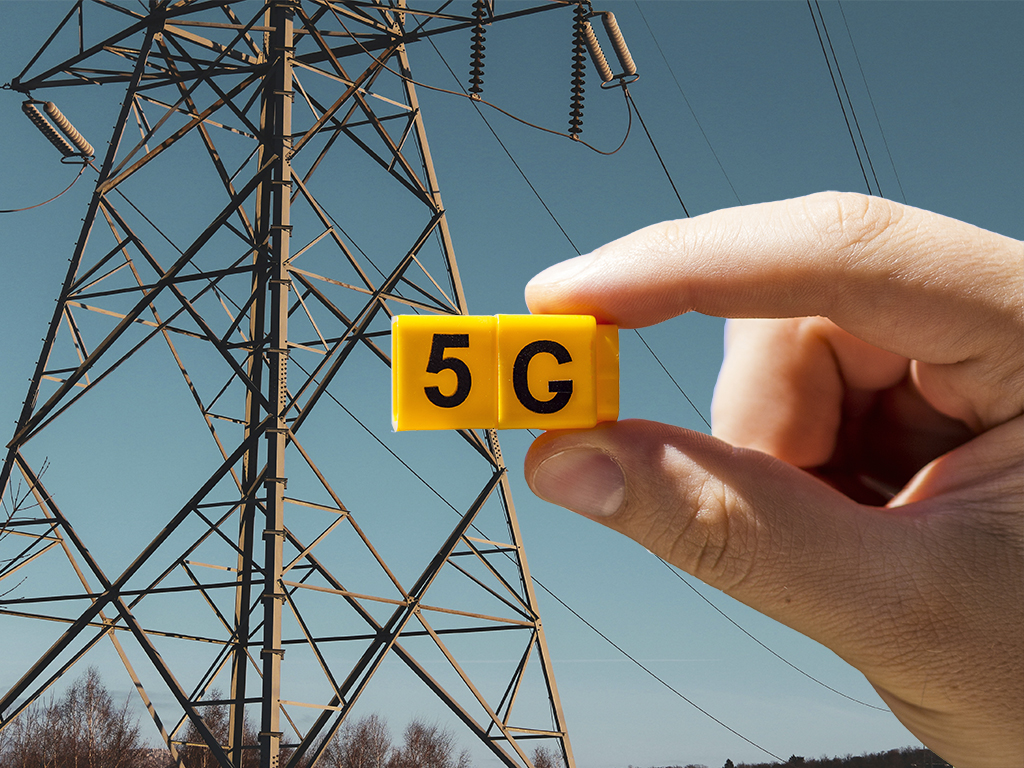
Imagine a future where you can transfer 8K movies in seconds, connect to augmented reality with a single click, and control thousands of devices through the Internet of Things (IoT). Sounds amazing, right? All of this will be possible thanks to 5G networks. But, as always in life, there's a catch – energy!
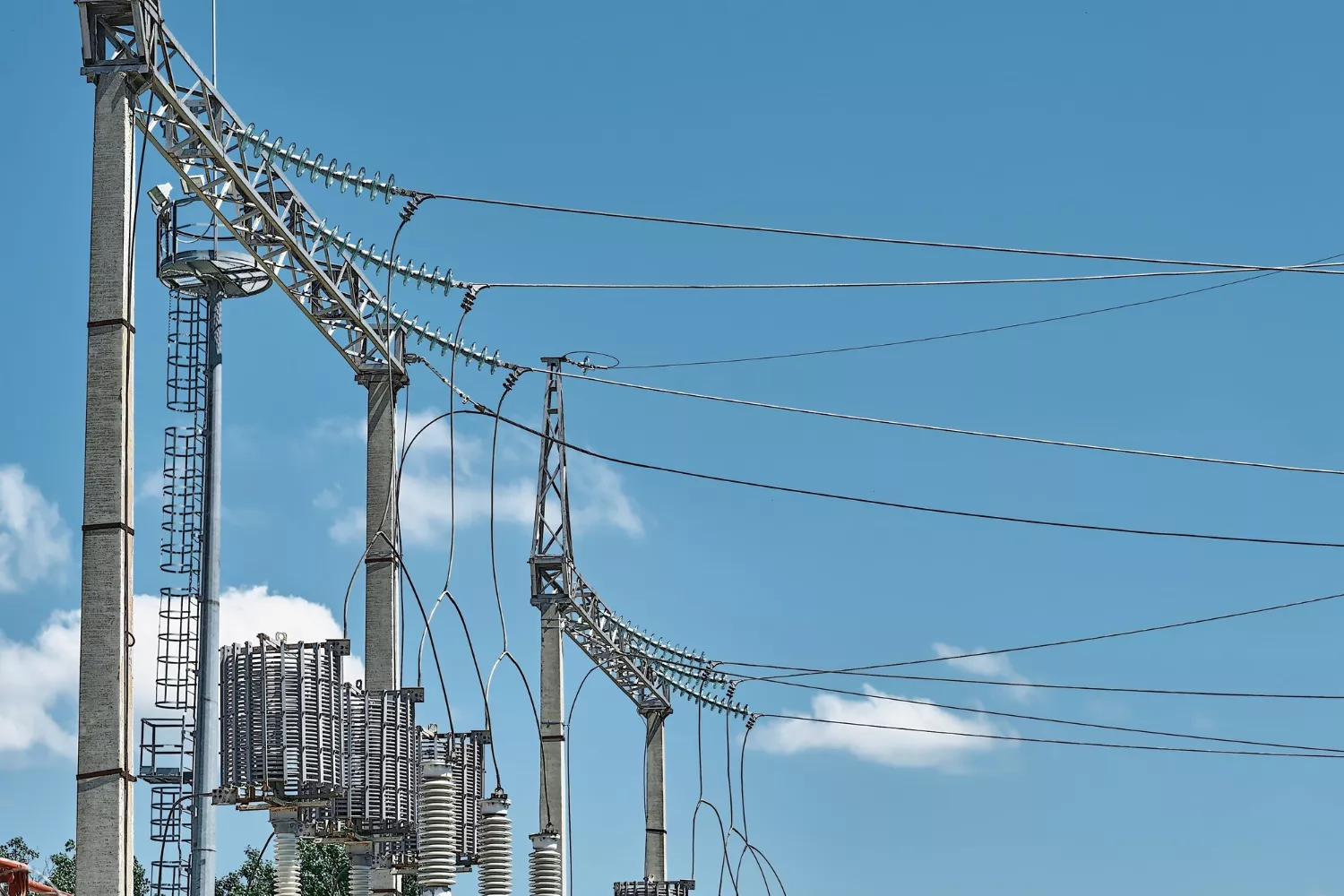
The development of 5G technology is not just about faster internet and real-time connections. It’s also a huge challenge for the energy sector, particularly the power infrastructure, where transformers play a key role. While the 5G network is more advanced and efficient, it requires new approaches to energy management.
5G promises data transfer speeds several times higher than what 4G offers, but that comes at the cost of higher energy consumption. 5G base stations need significantly more energy, mainly due to massive MIMO (multiple input, multiple output) technology, which requires more antennas and extended bandwidth.
Think of it as building a modern data highway, where millions of vehicles (read: information) race at breakneck speed. For this highway to run smoothly, we need exceptionally strong foundations – and this is where our transformers come in. They are responsible for delivering stable and efficient energy to these modern "telecom towers."
Transformers need to be adapted to dynamic load changes because energy demand is no longer stable, as it was with previous network generations.
Let’s add to this the fact that 5G requires more base stations – small units called small cells that must be densely placed, especially in heavily populated urban areas. Each of these stations needs stable power, further burdening the energy infrastructure. Modern transformers must not only deliver energy on a large scale but also respond to these dynamic changes in demand.
While 5G technology is often hailed as "green," the reality is different. Studies show that the deployment of 5G can lead to a significant increase in carbon dioxide emissions, especially if the infrastructure is not optimized.
Although 5G networks may surprise us with their data speeds, there are also some ecological pitfalls. For example, in China, it was found that additional CO₂ emissions due to poor energy efficiency could reach 23.82 megatons annually!
That’s roughly equivalent to the annual CO₂ emissions of a small country. Innovative technologies such as smart grids and artificial intelligence allow for dynamic energy management, helping to reduce these negative effects. This is the future we’re waiting for – where technology and ecology go hand in hand.
Additionally, the rapidly evolving telecommunications industry faces challenges related to excessive energy consumption, requiring innovative solutions in the energy sector.
Better real-time energy supply management allows for reduced consumption during periods of low network demand. Such management can significantly improve the overall energy efficiency of systems, reducing excess load and losses.
Freepik
The implementation of 5G is not just a task for telecommunications but also for the energy sector. To meet the demands of new networks, it is essential to strengthen collaboration between transformer manufacturers, energy operators, and telecommunications companies. In practice, this means creating more advanced solutions based on smart grids that dynamically adjust to changing energy demands.
Examples of already implemented solutions show that we are on the right track.
Innovative transformers that monitor energy consumption and respond to changing conditions are the foundation of future telecommunications networks. This is not only a challenge but also an opportunity to build a more sustainable future—both technologically and ecologically.
We are already seeing modern solutions on the market that not only power 5G base stations but also help save energy during low-demand periods. Think of it like your laptop going into sleep mode—smart, right?
The 5G technology will certainly change how we use the internet and telecommunications services, but it will require a new approach to energy management. Transformer manufacturers have a vast field of innovation ahead—from integrating smart grids to adapting to the dynamic needs of 5G networks. Any concerns regarding the energy footprint of 5G can be alleviated through modern energy management technologies that help optimize its consumption.
In the context of Energeks' offer, transformers play a key role in preparing the infrastructure to meet the demands of modern 5G systems. Our advanced solutions include not only standard transformers but also devices optimized for working with smart grids that dynamically respond to load changes. Thanks to built-in monitoring and management systems, our products help reduce energy losses, delivering power where it’s most needed.
Additionally, Energeks offers switchgear and energy management systems, which are the ideal complement for 5G infrastructure. These solutions enable more efficient load management in real-time, not only improving network stability but also reducing energy consumption during low-demand hours, supporting sustainable energy development.
We face challenges, but also exciting opportunities that will open a new chapter in the history of telecommunications and energy. The adaptation of transformers and the integration of smart energy networks are key to sustainable development, and our company's solutions already support this transformation today.
These are exciting times full of new possibilities—be part of this change today!
Sources:
EHTRUST
No reviews!