26 Nov
2024
Energeks

The European Union is not slowing down on its path towards climate neutrality.
In 2024, the EU not only introduced key reforms to the energy market but also announced a list of 166 cross-border projects designed to support the development of energy infrastructure and achieve ambitious climate goals. These projects, along with the reforms, mark a milestone in the journey towards modern and sustainable energy.
The energy market reforms introduced in 2024 are a step towards increasing energy security and stabilizing prices. Thanks to the new regulations, consumers and businesses can now benefit from long-term energy contracts, providing cost stability. This is especially important for businesses in the electrotechnical sector that consume large amounts of energy. Price predictability is key to efficient production planning and reducing financial risks.
In line with the European Green Deal, the EU announced a list of 166 cross-border energy projects aimed at accelerating the energy transition and supporting the achievement of ambitious climate goals. These projects, implemented under the Projects of Common Interest (PCIs) and Projects of Mutual Interest (PMIs) initiatives, cover a wide range of activities to help achieve climate neutrality by 2050 and reduce CO₂ emissions.
Development of Smart Energy Grids
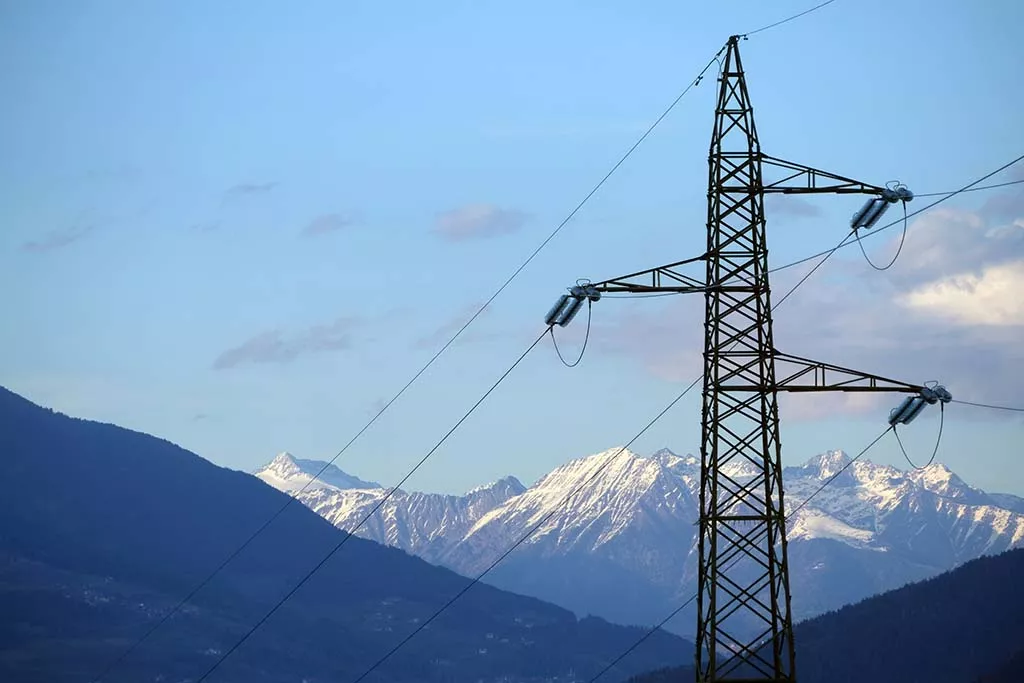
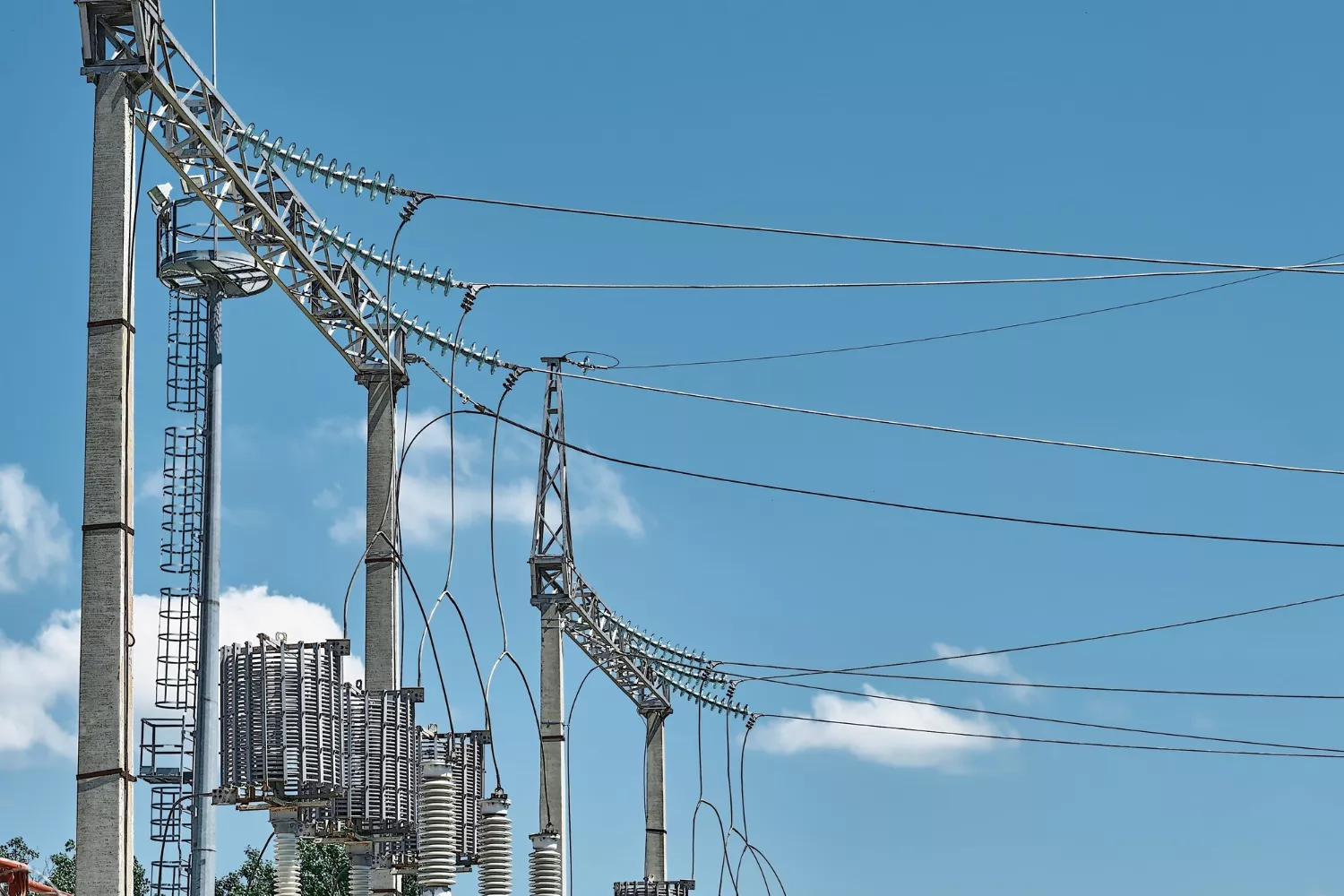
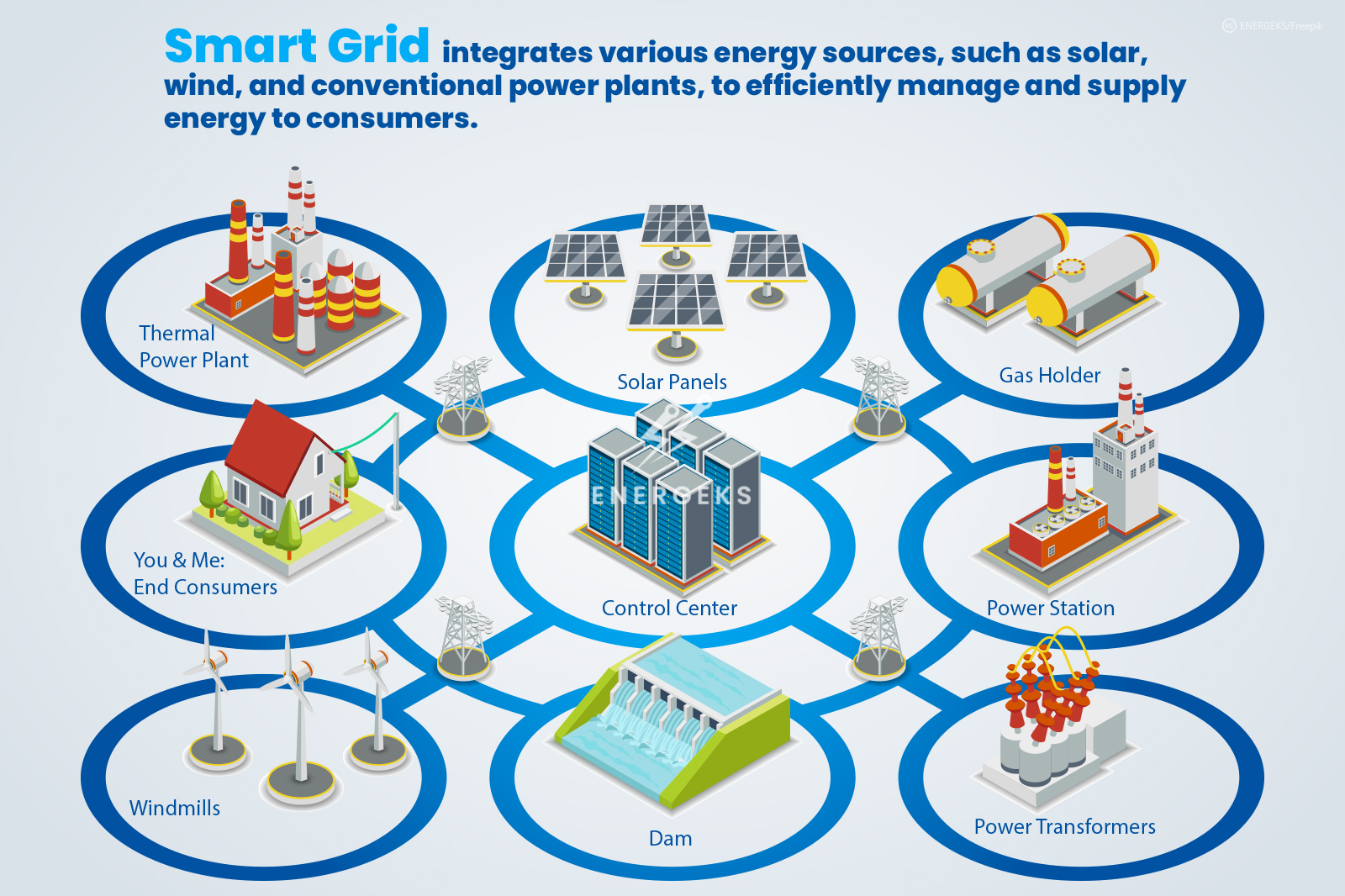
Of the 166 projects, 85 focus on developing transmission networks, including electrical and offshore grids. A key aspect of these projects is the modernization and expansion of smart energy grids, enabling the integration of renewable energy sources (such as wind and solar) and better management of energy surpluses. Many of these projects are expected to be completed between 2027 and 2030, meaning significant changes to Europe's energy networks are just a few years away.
Hydrogen and Electrolyzer Projects
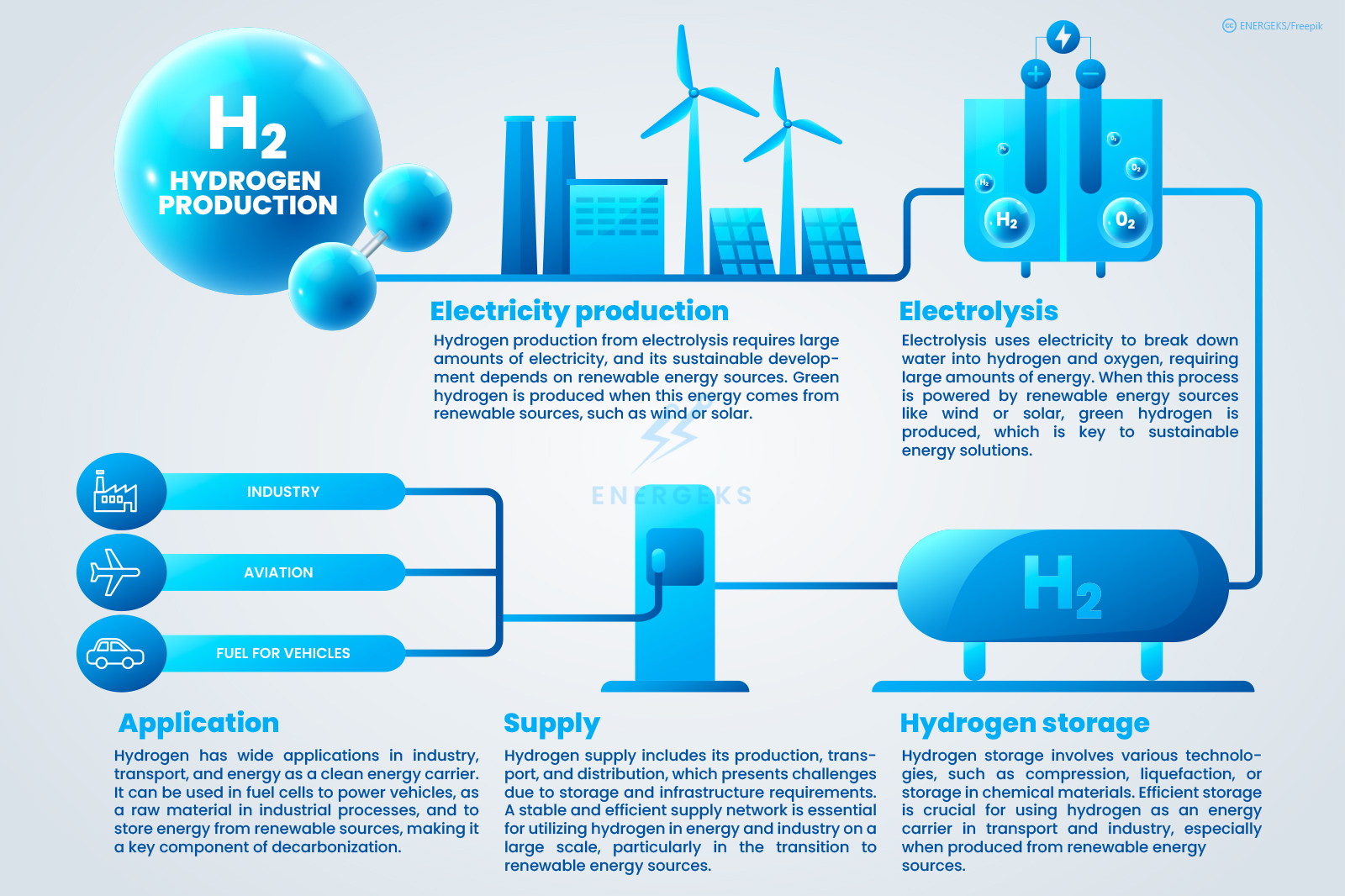
Another key focus is the development of 65 projects related to hydrogen and electrolyzers, which aim to decarbonize industries. Hydrogen is seen as a crucial element of the future green economy, especially in sectors that are difficult to electrify, such as heavy industry and transport. These investments aim to replace natural gas with hydrogen and biomethane in gas systems, significantly reducing greenhouse gas emissions.
CO₂ Capture and Storage Projects
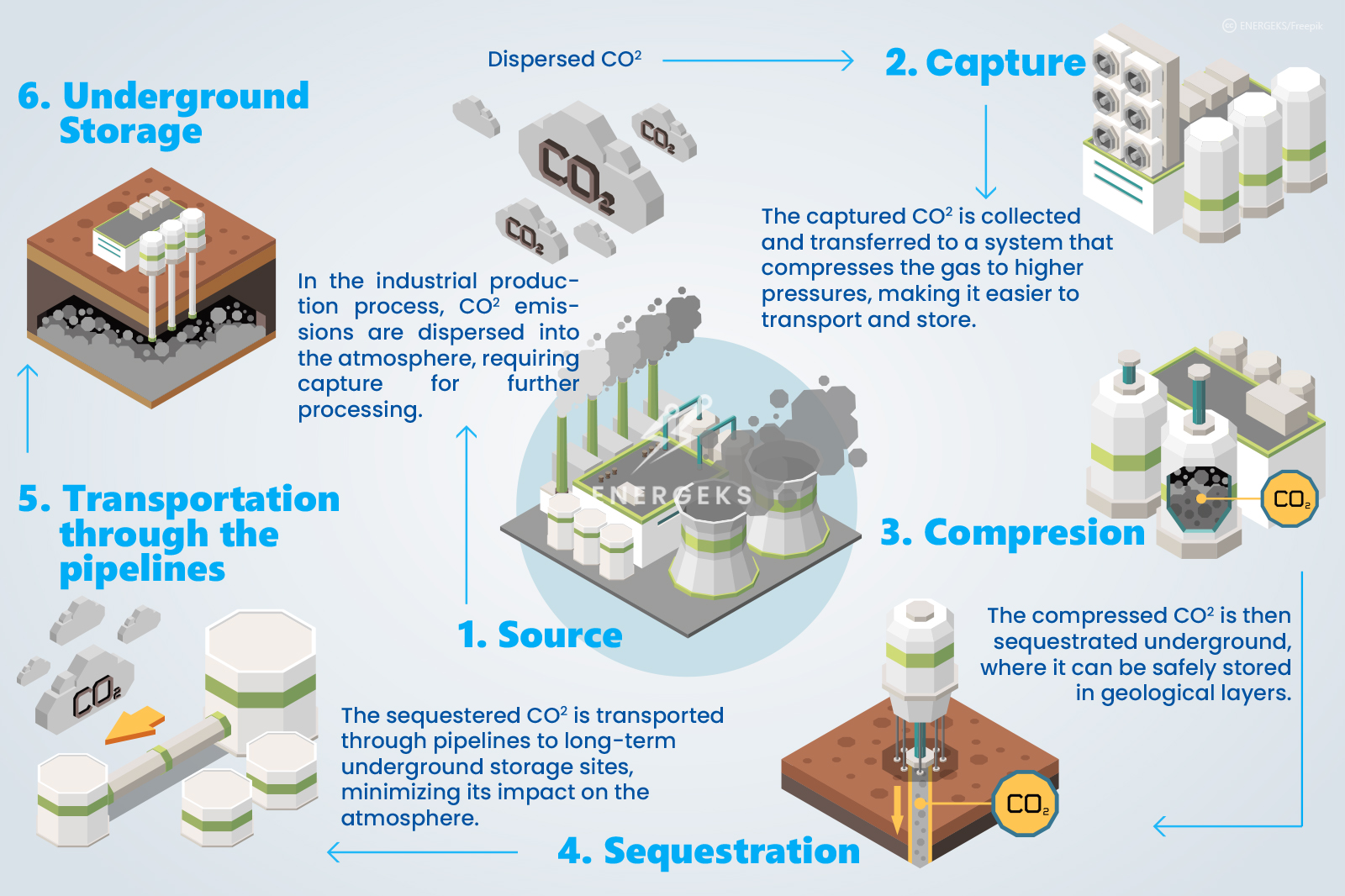
Another important area is the development of CO₂ networks, aiming to create infrastructure for capturing and storing carbon dioxide. Such actions are key to establishing a market for Carbon Capture and Storage (CCS) technologies, which aim to reduce the amount of CO₂ emitted by industry and energy sectors.
Interestingly, not all the projects are within the EU. Projects of Mutual Interest (PMIs) include cooperation with countries outside the Union, such as the EuroAsia Interconnector, which will link the electricity networks of Greece, Cyprus, and Israel. Such connections are crucial for ensuring stable energy supplies and enhancing Europe's energy security.
All 166 projects have been included in a system of simplified permits and regulations, enabling faster implementation. Additionally, these projects will be eligible for financial support from the Connecting Europe Facility (CEF), a fund supporting energy infrastructure in Europe. The European Commission expects that many of these projects will receive support by the end of 2024.
These projects are the foundation of the EU's energy future, contributing to the energy transition, emissions reduction, and the development of new technologies. For the electrotechnical industry, which includes the production of transformers, lithium-ion batteries, and switchgear, this means enormous opportunities – both in terms of modernizing infrastructure and implementing innovative solutions related to energy storage and hydrogen.
For example, transformer manufacturers can now implement technologies that integrate renewable energy sources with the local grid, increasing the stability of energy supplies. Modern transformers, based on advanced materials and technologies, can help optimize energy transmission over long distances with minimal losses.
Other companies producing electrotechnical equipment can now sign fixed-price contracts for energy supplies, minimizing the risk of rising costs and allowing for more efficient budget management. This is especially important in industries where energy costs account for a significant portion of operational expenses.
All these changes have one goal: to accelerate the EU's green transition and ensure the stability of energy supplies. If your company produces solar batteries, lithium-ion batteries, switchgear, or transformers, these projects open up new opportunities. Integrating green technologies, such as hydrogen and energy storage, can help reduce operational costs, increase competitiveness, and lower the carbon footprint.
The EU's reforms and projects are ushering in a new, exciting era of energy, full of opportunities and challenges. Energeks is enthusiastically embracing this transition, ready to fully engage in creating value for its clients and the environment. As a company involved in the production of transformers, lithium-ion batteries, switchgear, and solar batteries, we are perfectly positioned to support the development of modern energy networks of the future.
We eagerly await the implementation of innovative technologies, such as green hydrogen, which can revolutionize both industry and energy. Investments in these new areas give companies like ours the opportunity not only to contribute to sustainable development but also to play a key role in shaping Europe's energy future. We see enormous opportunities in collaborating on projects related to energy storage and smart energy grids, and we believe that you can see them too!
Sources:
No reviews!