10 Jan
2025
Energeks
Did you know that modern railway operators are increasingly investing in renewable energy sources (RES) to not only reduce operational costs but also enhance passenger comfort and contribute to the decarbonization of transport? Thanks to advanced technologies, railways are becoming synonymous with eco-friendly and convenient transportation.
This short post will show you how sustainable development in the railway industry is becoming a reality through cutting-edge technologies – a quick read of just 1.5 minutes.
For years, railways have remained one of the most eco-friendly modes of mass transportation, accounting for only 0.4% of greenhouse gas emissions in the EU transport sector. In comparison, road transport generates over 71% of emissions in the same category. However, in the face of the climate crisis and ambitious goals of the European Green Deal, which aims for climate neutrality by 2050, railways must take additional steps to become even more sustainable.
The European Green Deal outlines ambitious CO₂ emission reduction targets, placing railways at the forefront. While railways are already among the most environmentally friendly forms of mass transit, electrification alone is not enough. The key lies in powering infrastructure with renewable energy sources.
Currently, 75% of European railway lines are electrified, and electric trains account for 80% of transport operations. However, the energy used by traction networks still largely comes from fossil fuels. For instance, in 2020, only 32% of electricity in the EU was derived from renewable sources.
This makes the transition to renewable energy-powered railways a priority. The integration of wind farms, photovoltaic systems, and energy storage solutions not only reduces the carbon footprint but also enhances energy stability and cuts operational costs.
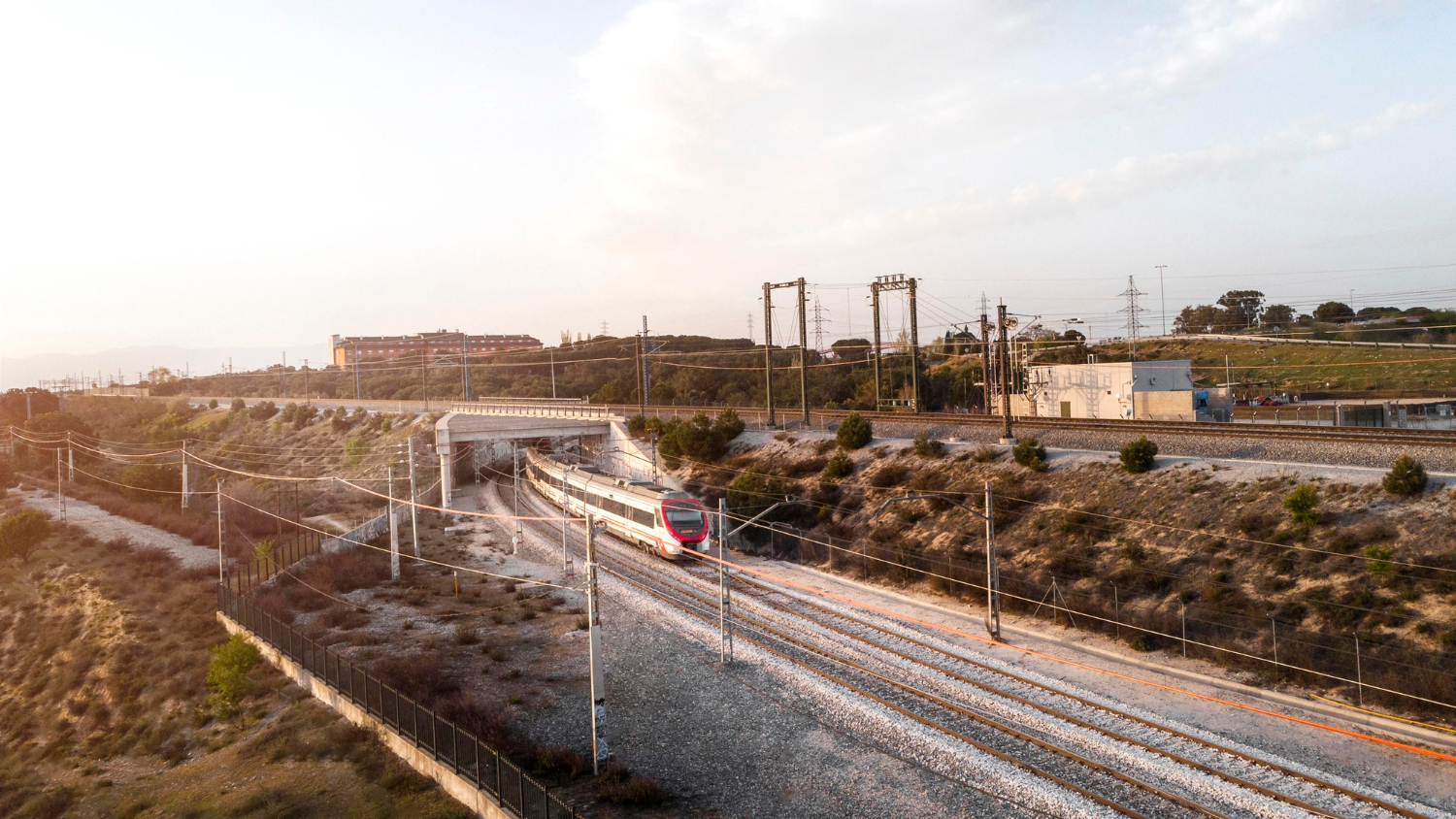
Powering railway infrastructure with renewable energy sources (RES) is a complex but highly efficient process that combines advanced energy technologies with transport engineering. RES, such as wind farms and photovoltaic installations, can supply both ground systems—platform lighting, signaling systems, air conditioning in station buildings—and rolling stock, thanks to energy delivered to the electric traction network.
Technologies and Their Applications
Wind and Photovoltaic Farms
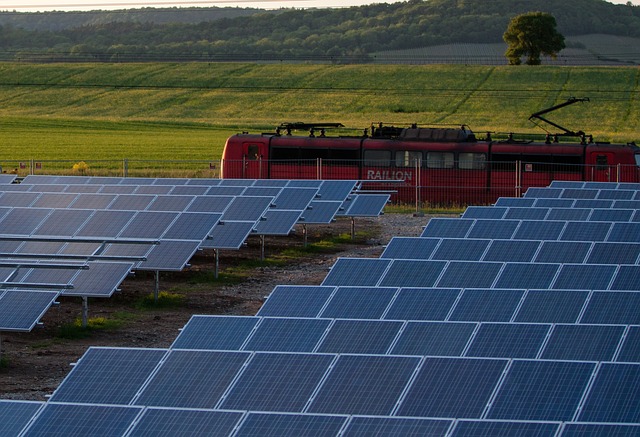
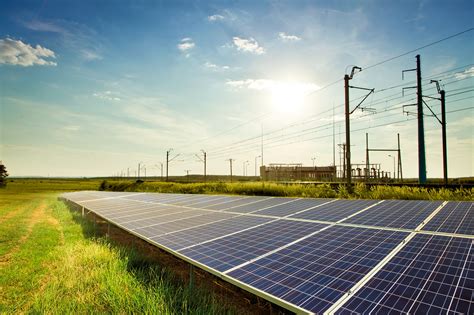
Railways can directly draw energy from wind or photovoltaic farms connected to local energy substations. In such cases, the energy generated by RES is fed into the traction network, powering trains in real time.
Example: In the Netherlands, wind farms generate over 1.4 TWh of energy annually, sufficient to power 5,500 trains daily.
Energy Storage Systems
Lithium-ion batteries, and in some cases, flow battery systems (redox flow), allow for the storage of surplus energy produced by RES during off-peak network demand (e.g., at night). This energy can later be used during peak demand hours, ensuring the stability of the energy system.
Example: In Austria, energy storage systems in ÖBB networks can store up to 200 MWh, stabilizing the traction grid in the Vienna area.
Smart Grid
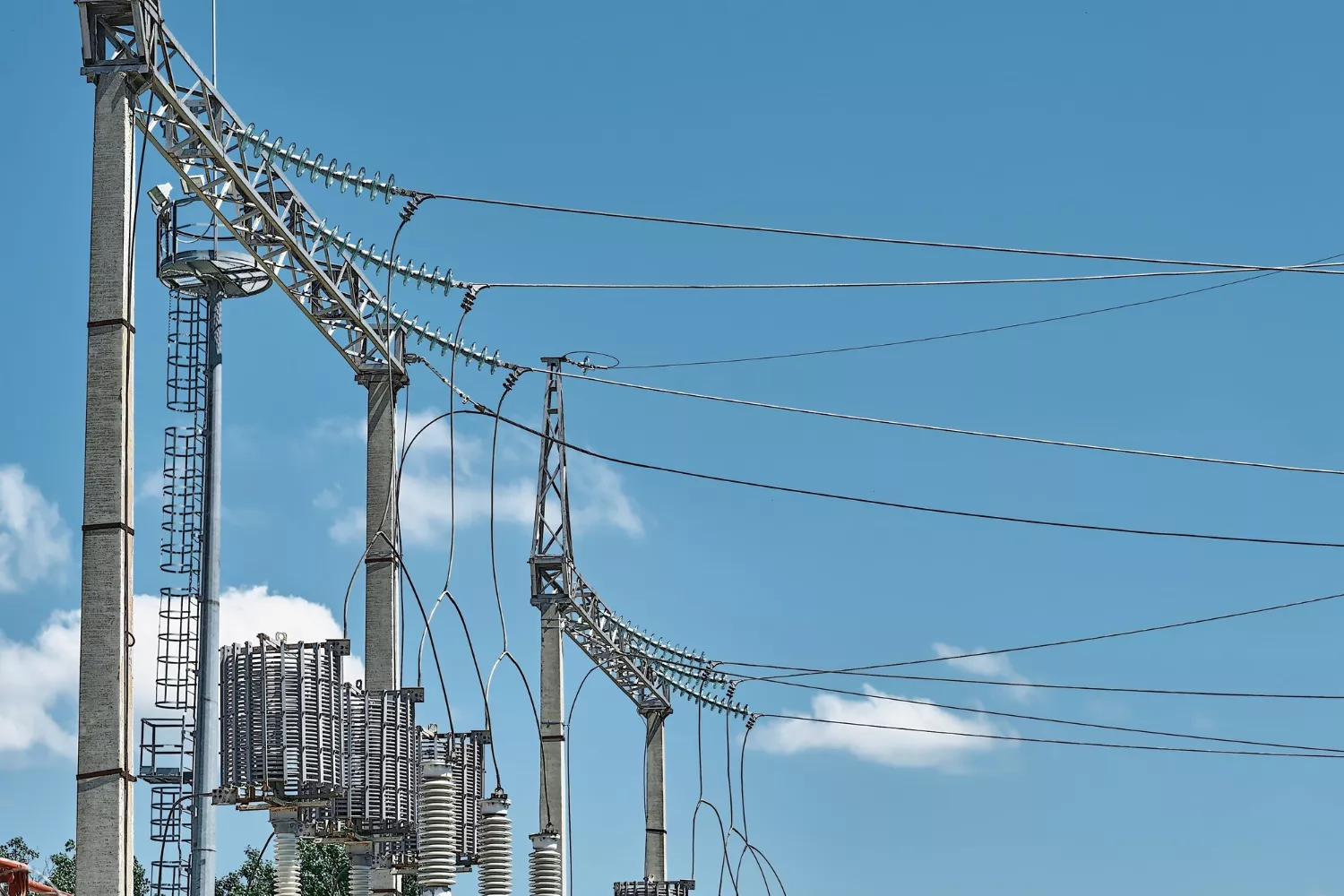
The integration of traction networks with smart grid systems allows for efficient energy management, directing it where it is most needed and minimizing transmission losses. Thanks to advanced management systems (SCADA), railways can monitor energy usage and optimize its distribution.
CC: Wysokie Napiecie
The Netherlands – 100% Wind-Powered Rail
Dutch Railways (NS) have become pioneers in fully integrating the railway system with wind farms. Farms like Gemini, producing 600 MW, power both the traction network and local railway infrastructure, effectively eliminating CO₂ emissions. The project saves over 1.2 million tons of CO₂ annually.
Belgium – Solar Tunnel
The solar-powered railway project in Belgium includes the installation of photovoltaic panels on the roofs of railway tunnels, covering a total area of 16,000 m². This system generates 3.3 GWh annually, enough to power lighting and railway signaling along the Antwerp-Amsterdam route.
Spain – Smart Stations
In Spain, Renfe has integrated photovoltaic systems at stations like Barcelona Sants, which generate 2 MW of energy, reducing CO₂ emissions by over 15,000 tons annually. Furthermore, these stations are equipped with smart energy management systems that automatically adjust consumption to current needs.
Poland – Green Railway
Under the "Green Railway" project, PKP Energetyka is developing photovoltaic farms with a capacity of 300 MW and energy storage systems. This energy continuously powers traction networks, reducing CO₂ emissions by 800,000 tons annually.
Investing in renewable energy sources (RES) for railway infrastructure is no longer just an environmentally driven choice. It has become a practical tool for improving financial performance, increasing energy independence, and building a competitive advantage. Eco-friendly solutions in railways deliver tangible benefits at both operational and strategic levels.
Reducing Operational Costs: Energy That Pays Off
The cost of renewable energy—wind and solar—has been declining for over a decade, and generation costs from these sources are now lower than fossil fuels in most EU countries. For railway operators, this translates into significant savings on electricity expenditures.
Example: In the Czech Republic, as part of the "Green Rails" project, photovoltaic systems were installed at stations in Prague, reducing electricity costs by 30%. This translates to savings of approximately €500,000 annually, which can be reinvested in infrastructure modernization or innovative passenger solutions.
Energy Independence: Stability and Security of Supply
As a critical component of public transport, railways must operate without interruptions, regardless of energy price fluctuations or crises. Installing local energy storage systems, combined with renewable sources, ensures greater independence from the power grid.
Example: In Romania, the "Solar Tracks" project includes constructing lithium-ion energy storage systems with a capacity of 50 MWh along major rail lines. In the event of a power outage, trains can continue running for up to 6 hours, reducing the risk of disruptions and enhancing passenger confidence.
Building a Positive Image: Railways as Ambassadors of Sustainability
Green investments in the railway sector have become a hallmark of modern and responsible transport. Operators involved in RES projects gain recognition from passengers, businesses, and local communities as leaders in sustainable development.
Example: In Austria, the national railway operator ÖBB implemented the "Eco-Stations" project, equipping stations with photovoltaic panels that power lighting, air conditioning, and electric bike chargers. In its first year, this system reduced CO₂ emissions by 10,000 tons, equivalent to the annual energy consumption of 4,000 households.
CC: PKP Energetyka
Economy of Scale: The cost of solar and wind energy has dropped by 70% over the last decade.
Energy Stability: Energy storage systems can provide uninterrupted power for 4–6 hours in case of grid failure.
Carbon Footprint: Stations using renewable energy reduce CO₂ emissions by an average of 50% compared to traditional solutions.
Passenger Trust: 82% of travelers state that they prefer operators promoting eco-friendly solutions.
The energy transformation of railways is a bold response to the pressing challenges of the 21st century. Across Europe, nations are demonstrating how renewable energy sources (RES) can revolutionize transportation, building efficient, modern, and environmentally friendly infrastructure that sets a global standard.
Integrating RES technologies into railway infrastructure delivers benefits that extend far beyond the tracks. Operational cost reductions, energy stability, and a green public image collectively enhance the appeal of railways to passengers and investors alike. These advancements highlight the sector's readiness to innovate and adapt.
Such initiatives are positioning railways as champions of sustainable transport, powered by the energy of tomorrow. They are no longer just a mode of transit but a testament to how technology and sustainability can move hand in hand, inspiring a greener future for all.
Sources:
No reviews!