14 Feb
2025
Energeks
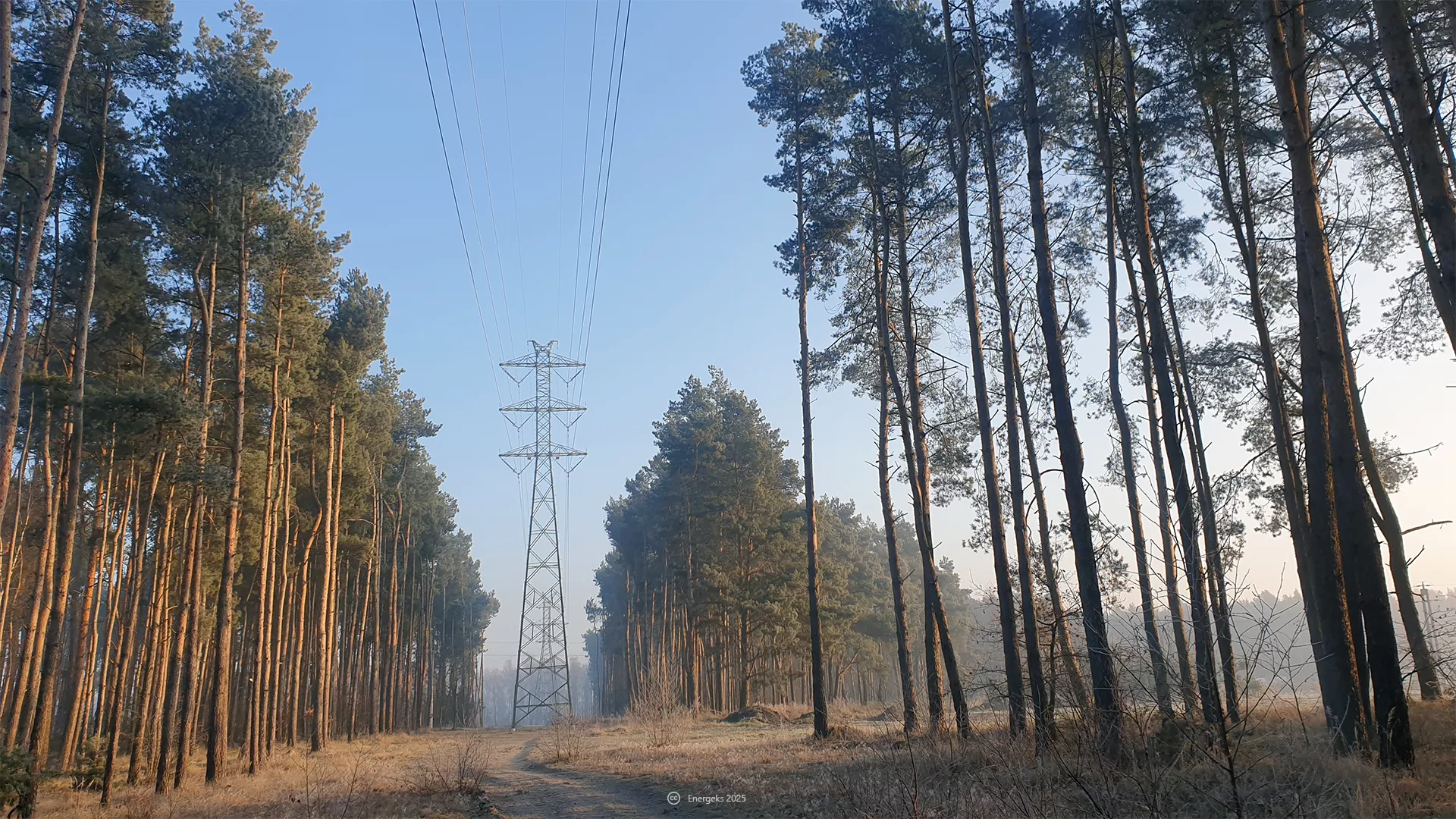
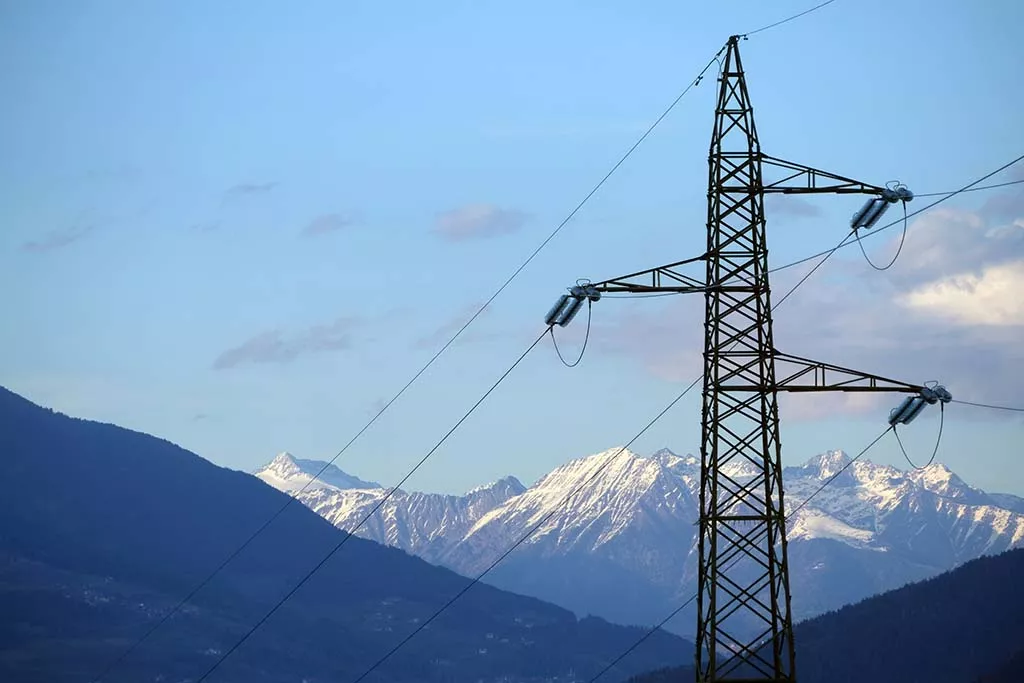
During the carefree days of childhood, on warm summer afternoons, my friends and I would often ride our bikes through fields where towering steel giants – transmission towers – proudly carried power lines above our heads.
We experienced something unusual: a subtle tingling on our skin, as if surrounded by something invisible, creating delicate sensations we could feel on our bodies. At times, in the stillness, a faint, eerie sound could be heard, as if the energy itself was speaking. Back then, we had no idea what was happening, but the experience left a lasting impression on me.
Today, as an engineer, I know that these phenomena result from electromagnetic fields (EMFs) generated by high-voltage power lines. These fields, though invisible, interact with their surroundings in various ways – sometimes causing the tingling sensation on the skin, other times emitting a faint sound known as corona discharge. This knowledge not only explains my childhood memories but also inspires a deeper understanding of the intricate and fascinating world of modern energy systems.
Reading time: 2 minutes – discover how electromagnetic fields and advanced transmission structures power the world and shape our reality!
Electromagnetic fields (EMFs) are present in every electrical device, from simple household appliances to complex energy transmission systems. In the case of high-voltage power lines, we encounter extremely intense EMFs, which are the result of both the flow of electricity and the potential difference between the wires and the ground. These fields are not only a byproduct of energy transmission but also one of the fundamental phenomena on which modern energy infrastructure is based.
Thanks to proper insulation and advanced structural designs, the electromagnetic fields generated by transmission lines can be controlled and minimized in a way that is safe for both humans and the environment. This is achieved through the use of advanced materials such as ceramic or polymer insulators, which reduce radiation emissions while maintaining wires at the proper height and distance from the ground.
From a technical perspective, electromagnetic fields in high-voltage power lines play a crucial role in optimizing energy transmission. High voltage allows for the reduction of transmission losses caused by the resistance of wires, which is particularly important over long distances. EMFs generated by high-voltage lines are also managed through innovative solutions such as corona discharge suppression systems, which minimize energy losses and reduce the impact of fields on the surrounding environment.
The safety of electromagnetic fields is a widely researched and internationally regulated topic. Standards established by organizations like the International Commission on Non-Ionizing Radiation Protection (ICNIRP) ensure that EMF levels near transmission lines are far below values deemed harmful to human health. Additionally, precise computer simulations allow infrastructure designers to optimize the layout of towers and wires, minimizing their environmental impact.
The ongoing energy transformation, driven by the integration of renewable energy sources such as wind and solar farms, increases the importance of high-voltage transmission lines. Electromagnetic fields generated by these lines enable the efficient transmission of energy from its production sites—often located in remote and hard-to-reach areas—to industrial and urban centers. A key challenge in this regard is striking a balance between transmission efficiency and minimizing the impact on people and nature.
Modern electrical engineering continually develops technologies that allow for even greater control over electromagnetic fields. One example is HVDC (High Voltage Direct Current) systems, which generate significantly lower EMFs than traditional alternating current lines. These innovations not only improve energy efficiency but also support the development of sustainable infrastructure.
Electromagnetic fields, though invisible, form one of the pillars of modern energy systems. They drive the global economy by enabling the transport of energy over vast distances in an efficient and safe manner. The challenge for the future lies in further advancing technologies that allow for better utilization of this phenomenon while protecting the environment and ensuring quality of life.
It is worth remembering that every high-voltage line and every transmission tower is a testament to how far humanity has come in understanding and harnessing the laws of nature for the benefit of technological progress.
Transmission towers are more than just steel constructions – they are key components of the global transmission network, enabling the transport of energy over vast distances. Their variety is tailored to the specific terrain and energy needs.
Types of Transmission Towers:
Lattice Towers (Steel): The most commonly seen in rural landscapes, these towers are lightweight yet durable. They carry lines with voltages ranging from 110 kV to 400 kV, making them the foundation of high-voltage networks.
Tubular Towers: Frequently used in urban areas, their slim design takes up less space and minimizes their impact on the landscape. Thanks to their solid construction, they are resistant to strong winds and ice loads.
Insulator Towers: Specially designed for challenging terrains, such as mountainous regions. They feature longer insulators that minimize the risk of breakdowns.
Tension Towers: Used at line turns and locations requiring greater structural stability.
Each type of tower serves a specific purpose, contributing to the reliability of the electrical grid. From selecting appropriate materials to detailed overload simulations, the design process of these structures is advanced engineering at its finest.
In the era of energy transformation, driven by the rapid growth of renewable energy sources such as wind and solar farms, transmission towers play a fundamental role in the global energy infrastructure. They enable the transmission of energy from remote energy farms, often located in hard-to-reach areas, to densely populated urban centers where electricity demand grows year after year. A prime example is Germany, where modernized transmission networks allow for the efficient transport of energy from wind farms in the north to industrial regions in the south. Thanks to advanced technologies used in the design of transmission towers, energy losses over long distances can be minimized, enhancing the efficiency of the entire power grid.
Additionally, modern transmission towers incorporate sustainable development aspects, such as the use of corrosion-resistant materials, which significantly extend their lifespan and reduce the need for frequent maintenance. Engineers design these structures to minimize electromagnetic emissions, making them safer for people and more environmentally friendly. Transmission towers have become not only a crucial part of the energy infrastructure but also a symbol of technological and ecological transformation, supporting global sustainable development goals.
Today, on World Energy Day (#WorldEnergyDay), take a moment to look up and appreciate those towering "ladders to the sky" – transmission towers. From the ground, they might seem like quiet guardians of the landscape, but in reality, they are conducting an endless, invisible operation – delivering the energy that powers our daily lives.
Imagine each of these towers as a "checkpoint of energy," where electricity leaps from wire to wire to reach your home and power your favorite coffee maker. Without them? Well, your mornings could look quite different – darker, colder, and decidedly less caffeinated.
These steel giants are not just technological marvels but also true bridges connecting remote wind and solar farms to bustling city centers. They transport energy across hundreds of kilometers, spanning mountains, forests, and plains, like tireless messengers from the future. And the best part? They do it all without complaining about the weather.
Have you ever imagined a world without these "energy superheroes"? It might look more like medieval villages than modern metropolises. Instead of powered machines, we'd rely on horses and candles, and instead of Netflix – maybe a good story by the campfire. Sounds romantic? Perhaps, but only for a moment.
So next time you see a transmission tower, give it a mental "high five." It's thanks to these giants that you can turn on the lights, cook a meal, or even read this post. What do you think?
Do you have your own stories about energy? Share them with us!
Sources:
National Grid: "Transmission Towers: How They Work and Why They Matter"
Cover Photo: ENERGEKS, 2025
No reviews!