8 Mar
2024
Energeks
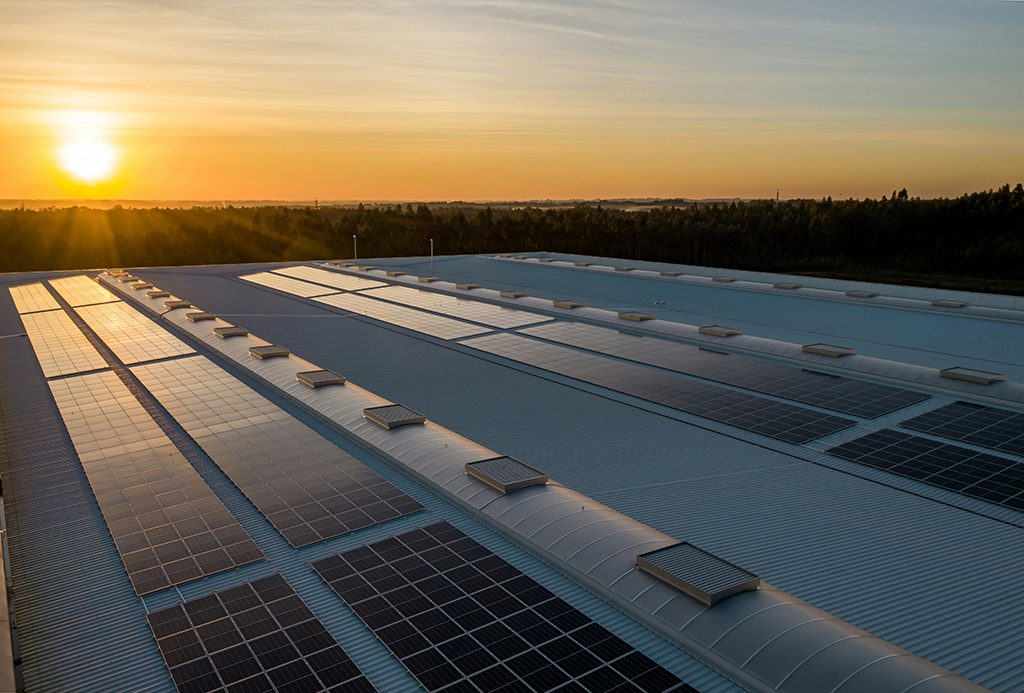
In an era of growing ecological awareness and intensified efforts to reduce CO2 emissions, renewable energy sources (RES) are gaining significance. Transformers play a fundamental role in converting, transmitting, and distributing energy, which directly impacts the efficiency and reliability of RES installations. Using the example of transformers for a 100 MW solar farm, we will explore their role in energy efficiency and CO2 reduction. We will also look at the importance of transformer maintenance and modernization in this process.
Imagine a 100 MW solar farm consisting of thousands of photovoltaic panels. The energy generated by these panels must be converted and delivered to the power grid using transformers, which are responsible for converting the voltage produced by the panels to levels suitable for the transmission and distribution of electrical energy to the power grid.
Voltage Stabilization.
Transformers are responsible for stabilizing the voltage generated by solar panels, which can be subject to fluctuations due to varying weather conditions. Reliable transformers ensure that the voltage is maintained at a constant level, providing stable energy supply to the grid.
Minimizing Energy Losses.
Modern transformers, equipped with advanced insulating and cooling materials, have significantly lower energy losses. For our solar farm, transformer reliability means that the energy generated by the panels is efficiently transmitted to the grid, with minimal losses during conversion and transmission.
Impact on Overall System Efficiency.
Reliable transformer operation prevents unnecessary losses, meaning more energy reaches the grid and is available to consumers. This not only increases the overall system efficiency but also enhances the profitability of the solar farm since more generated energy can be sold. Additionally, minimizing energy losses translates to a reduced need for additional energy production from other sources, which in turn helps reduce CO2 emissions.
Thanks to reliable transformers, a solar farm can operate at the highest level of efficiency, providing a stable and eco-friendly energy source for a wide audience. Therefore, the maintenance and modernization of transformers are crucial.
How does it work? We explain further in the article.
Regular maintenance of transformers is essential to prevent failures and extend the lifespan of the devices. Maintenance activities include:
1. Technical transformers inspections. Regular checks of the technical condition of transformers allow early detection of potential faults.
2. Cleaning transformers. Removing contaminants that can affect cooling and insulation efficiency.
3. Oil Replacement in transformers. Transformer oil serves an insulating and cooling function, so its quality is crucial for the safe operation of the transformer.
4. Insulation testing of transformers. Checking the insulation condition provides protection against voltage surges and failures.
Modernizing transformers involves implementing modern technologies and components that increase their efficiency and reduce energy losses. Key modernization activities include:
1. Use of Higher Conductivity Materials. New materials, such as high-purity copper, reduce energy losses.
2. Introduction of Smart Monitoring Systems. Modern diagnostic systems enable continuous monitoring of transformer condition and prediction of potential failures.
3. Cooling System Modernization. More efficient cooling systems improve heat dissipation and reduce energy losses.
Regular maintenance and modernization of transformers in RES systems bring numerous benefits for both the environment and energy efficiency:
1. CO2 Emission Reduction.
Increasing transformer efficiency leads to the production of more energy with fewer losses, directly translating to lower CO2 emissions.
2. System Reliability Increase.
Regular maintenance prevents failures and interruptions in energy supply, which is crucial for the stability of the power grid.
3. Cost Savings.
Transformer modernization reduces operational costs and long-term savings on repairs and device replacements.
Transformers play a crucial role in renewable energy systems (RES), affecting the overall system efficiency and minimizing energy losses. Using the example of a 100 MW solar farm, reliable transformer operation ensures voltage stabilization and efficient energy transmission, minimizing energy losses and increasing profitability. Regular maintenance, including technical inspections, cleaning, oil replacement, and insulation testing, prevents failures and extends device lifespan. Modernization, involving the use of new materials, smart monitoring systems, and efficient cooling systems, increases efficiency and reduces energy losses. These actions bring numerous benefits, such as CO2 emission reduction, increased system reliability, and cost savings, making RES systems more ecological and economically efficient.
Sources:
AltEnergy Mag
No reviews!