15 Nov
2024
Energeks
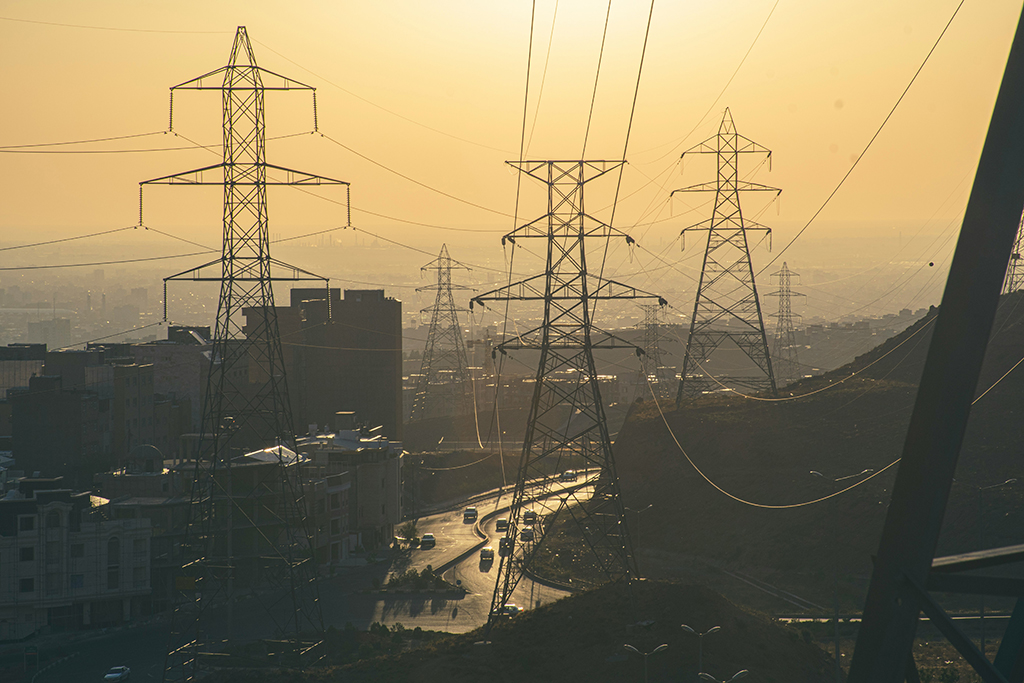
Imagine a reality where the sun’s rays from the African deserts power homes in Europe, and wind from the Baltic coast drives industry deep inland.
Although it may sound like a futuristic vision, it’s closer to realization than one might think. The key to this future lies in modernizing our transmission networks, removing so-called “bottlenecks,” and fully harnessing the power within renewable energy sources (RES).
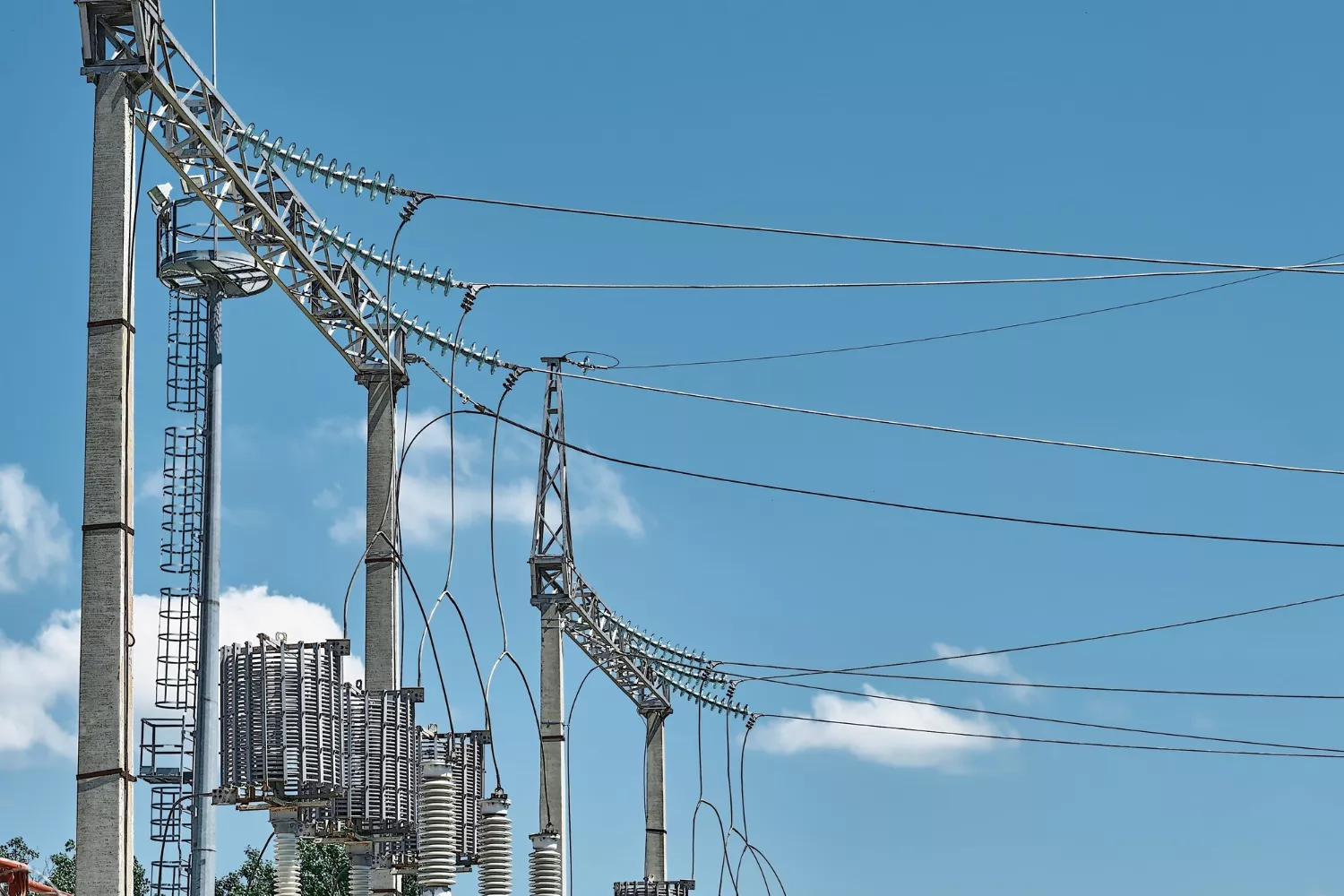
Bottlenecks are points in the transmission network that restrict energy flow, similar to traffic jams slowing down movement on highways. In the context of energy, this means parts of the infrastructure unable to keep up with the growing demand or energy production, resulting in losses and limited access to clean energy. According to the International Energy Agency (IEA), delays in the transmission of energy from RES may prevent achieving global climate goals by 2050.
Bottlenecks reduce energy efficiency, and their removal is essential for maximizing the use of RES and limiting emissions.
In the energy world, HVDC (High Voltage Direct Current) technology is an innovative solution that radically changes the way energy is transmitted over long distances. Compared to traditional alternating current (AC) networks, HVDC allows for transmission losses to be reduced by as much as 30%.
This is crucial for the integration of renewable energy sources, such as offshore wind farms or solar farms, often located far from areas of intense consumption.
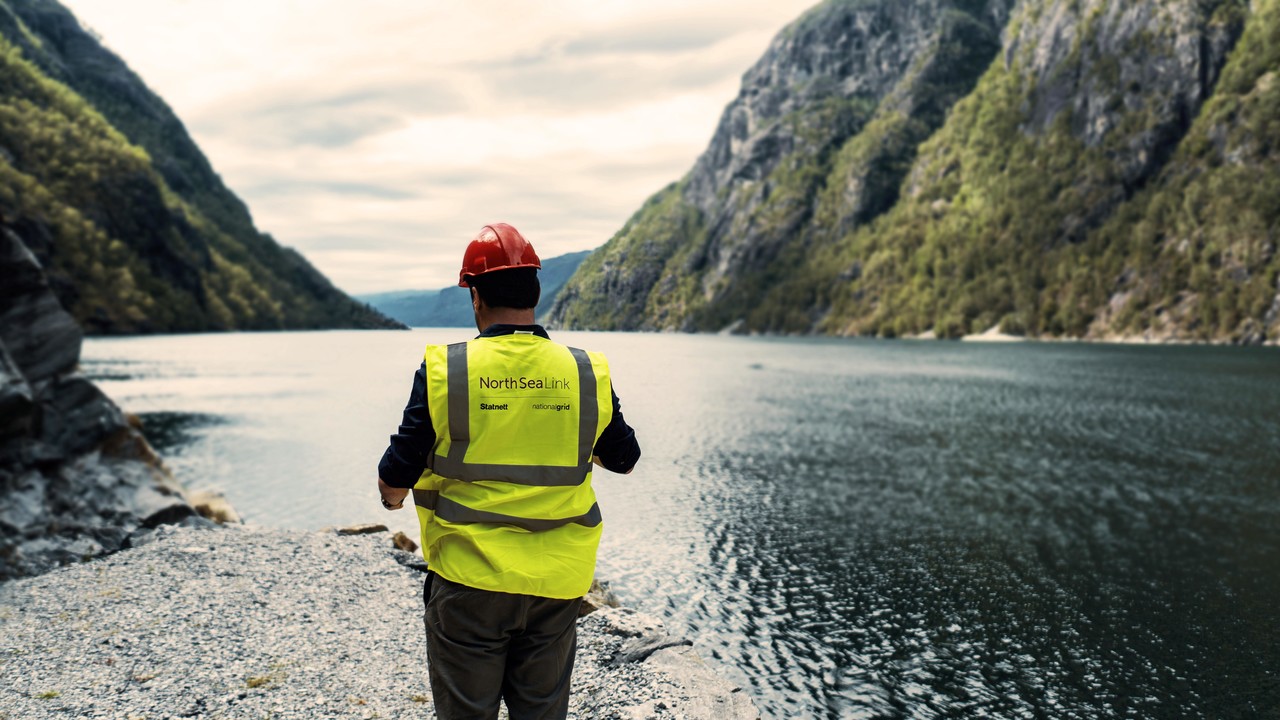
An example is the North Sea Link HVDC connection, which links the UK with Norway. Not only does it enable energy transfer between countries, but it also balances supply and demand depending on the availability of renewable energy. HVDC also makes it easier to integrate energy islands, enabling energy transfer from more remote locations with minimal losses, while reducing CO₂ emissions.
North Sea Link © www.nationalgrid.com
Using advanced systems like Active Network Management (ANM) allows network operators to dynamically respond to changing transmission conditions and energy demand. ANM monitors the network in real-time, not only preventing overloads but also continuously adjusting energy flows to fully exploit the potential of renewable sources.
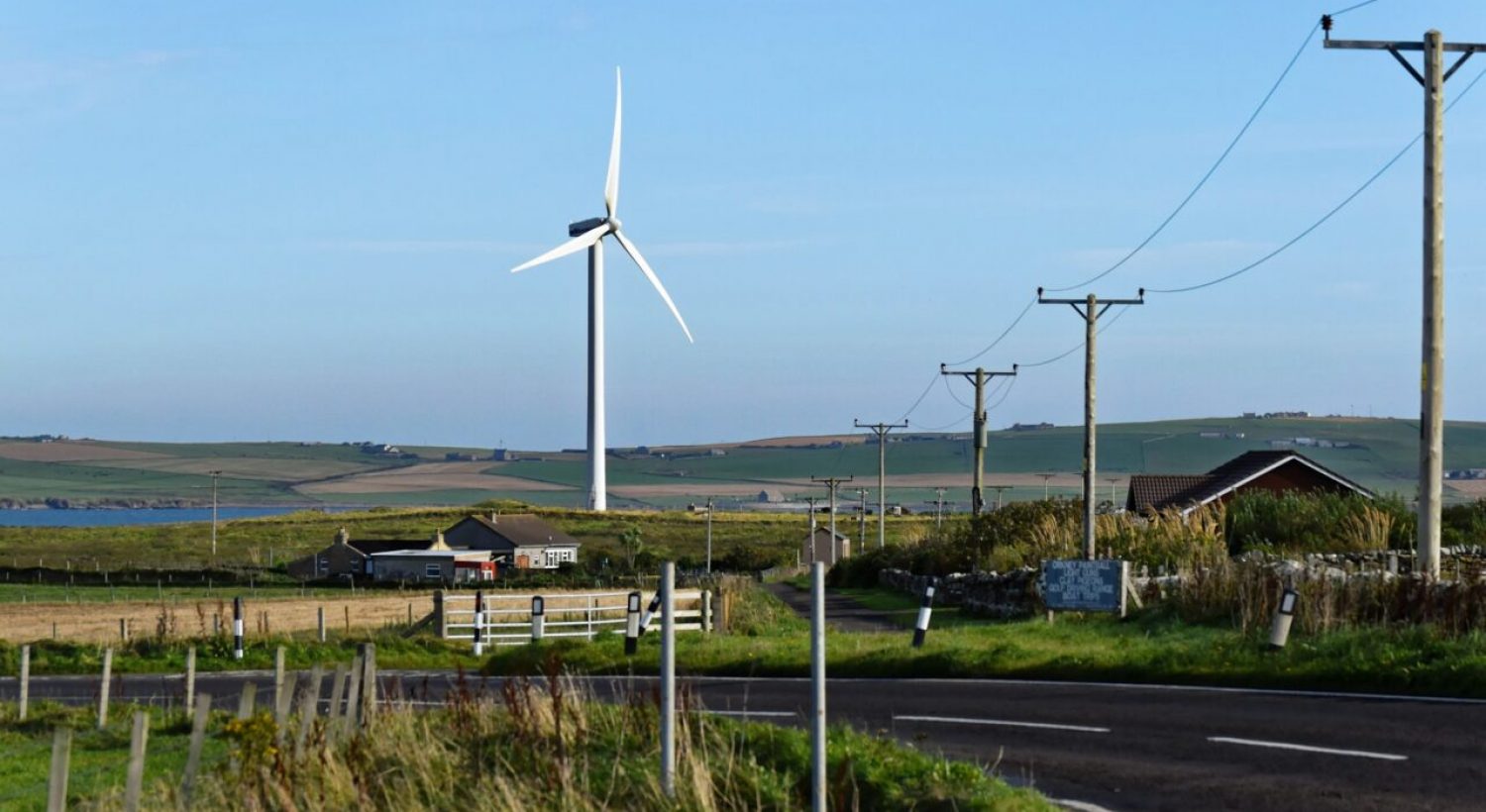
For example, in Scotland, ANM (Orkney Archipelag) is used in regions with a high concentration of wind turbines. The system enables dynamic adjustment of wind power generation, minimizing the risk of network overload and ensuring stability during sudden changes in energy supply. Intelligent network management systems are thus crucial for maximizing the share of green energy in the energy mix, while also enhancing network stability and reliability.
Orkney Energy © Urban Foresight Limited
The introduction of flexible energy markets, especially in countries with advanced RES integration such as Germany and the UK, brings significant benefits to the energy system.
These mechanisms encourage end-users—both private and industrial—to increase energy consumption during times of surplus, such as on sunny days when photovoltaic energy production is high or windy nights when wind farms are operating at full capacity.
One example is the “demand-side response” (DSR) programs in the UK, which allow industrial and municipal consumers to adjust their energy usage flexibly, enabling more efficient and economical energy use. These mechanisms help balance the network without the need for additional transmission lines, reducing costs and contributing to a more sustainable and ecological energy system.
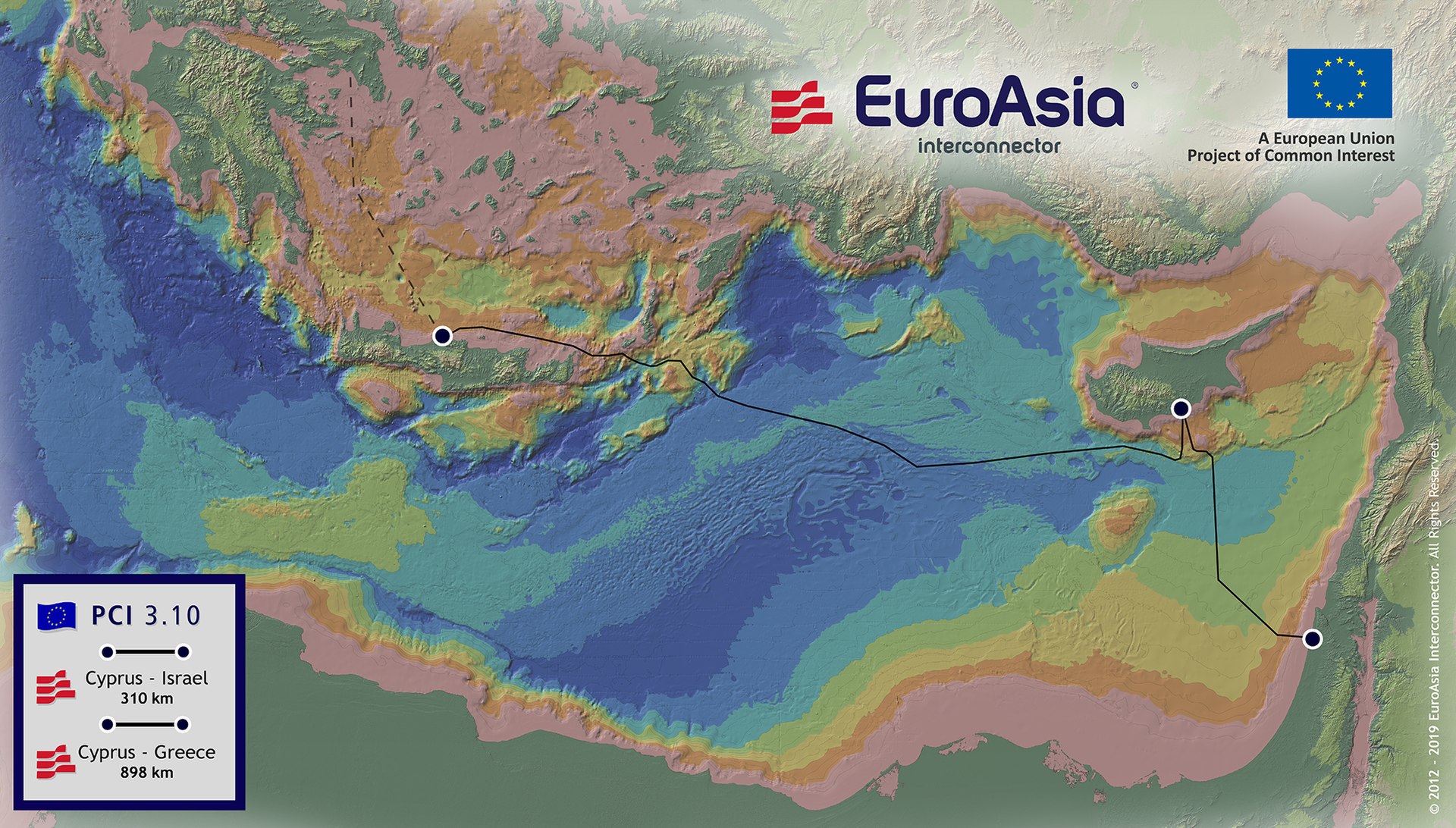
The EuroAsia Interconnector project is a groundbreaking initiative that aims to connect the energy systems of Cyprus, Greece, and Israel via a subsea cable over 1200 km in length. It is the world’s largest of its kind, making it a crucial step toward creating a more integrated energy market in the Mediterranean region and Europe.
This EU-funded project holds strategic and technical importance—not only eliminating bottlenecks but also strengthening the stability and energy security of the three nations, allowing them to support each other in times of sudden energy needs. With a maximum capacity of 2000 MW, EuroAsia Interconnector ensures the rapid transmission of large amounts of energy, which is particularly important for network stabilization during crisis situations, such as sudden drops in production or increased energy demand.
The submarine cable supports not only the transmission of conventional energy but also enables dynamic management of renewable energy flows between the three countries. For example, surplus energy from Greek wind farms or Israeli solar farms can be transferred to Cyprus, effectively utilizing available natural resources. For Cyprus, an island nation, EuroAsia Interconnector enables, for the first time in history, a full energy connection to the continent, reducing its reliance on expensive fossil fuels and allowing for a fuller use of renewable energy sources.
Interconnector EuroAsia Map CC-BY-SA Wikipedia
For the energy sector, EuroAsia Interconnector opens new development opportunities and increases the region's investment appeal.
Transmission system operators and energy producers gain access to new markets, allowing them to diversify their activities and minimize risks associated with dependence on a single country. The energy business in the region can now grow faster, attracting investments in renewable energy sources that will have assured efficient transmission to neighboring countries.
Companies can also benefit from the opportunity to export energy, such as excess solar energy from Israel to Greece. These connections attract investors interested in developing photovoltaic farms, wind farms, and energy storage technologies. EuroAsia Interconnector also supports the development of the "green certificates" market and sustainable business solutions, further enhancing its significance on the international stage.
From a technical standpoint, this project sets new standards in transmission infrastructure construction. The subsea cable, over 1200 km long and with a capacity of 2000 MW, requires advanced technology in both high-voltage direct current (HVDC) transmission and energy flow management systems.
The EuroAsia Interconnector project attracts the attention of technology leaders and energy solution providers, stimulating the development of new technologies in transmission, monitoring, and energy management. For example, HVDC technologies are currently being improved to enable transmission over even greater distances with lower energy losses.
Thanks to such projects, technology companies have the opportunity to test and implement the latest solutions, accelerating the industry's growth and leading to the creation of more efficient and ecological energy networks.
EuroAsia Interconnector can become a model for similar initiatives worldwide, particularly in regions with significant renewable energy potential but weak transmission infrastructure. Similar projects could be implemented in Africa, Asia, or South America, where there is a need to integrate renewable energy sources on a larger scale. In this way, the EuroAsia Interconnector project becomes not only a key element of energy infrastructure for Europe and the Middle East but also an inspiration to build a more sustainable and integrated global energy network.
For producers of transformers, lithium-ion batteries, switchgear, and solar batteries, transmission network modernization creates enormous development opportunities.
Projects like EuroAsia Interconnector, based on advanced transmission technologies, significantly increase the demand for innovative components that can meet new challenges in large-scale energy transmission. For components such as HVDC transformers, high-capacity batteries, or advanced switchgear, such projects can drive investment in technological development, offering manufacturers the opportunity to provide solutions crucial for energy stability and efficiency.
For the power industry, infrastructure modernization also means greater market flexibility, and for energy suppliers—a chance to expand into international markets.
Examples of dynamic energy exchange, such as the case of excess energy from Greek wind farms or Israeli solar farms, show that the future of the energy market lies in optimal RES management and effective cross-country transmission.
Investments in modern transmission technologies offer companies not only the opportunity to export energy but also to develop advanced storage systems that effectively support stability and balance in the energy system.
From a technological standpoint, modernizing transmission networks and eliminating bottlenecks is a milestone toward a cleaner and more efficient future.
Solutions like HVDC and intelligent management systems (ANM) allow for fuller use of the potential of renewable energy sources, which are increasingly powering both industry and households.
It’s an opportunity to reduce CO₂ emissions and minimize dependence on fossil fuels, which is crucial for achieving global climate goals.
Sources:
No reviews!