28 Feb
2025
Energeks
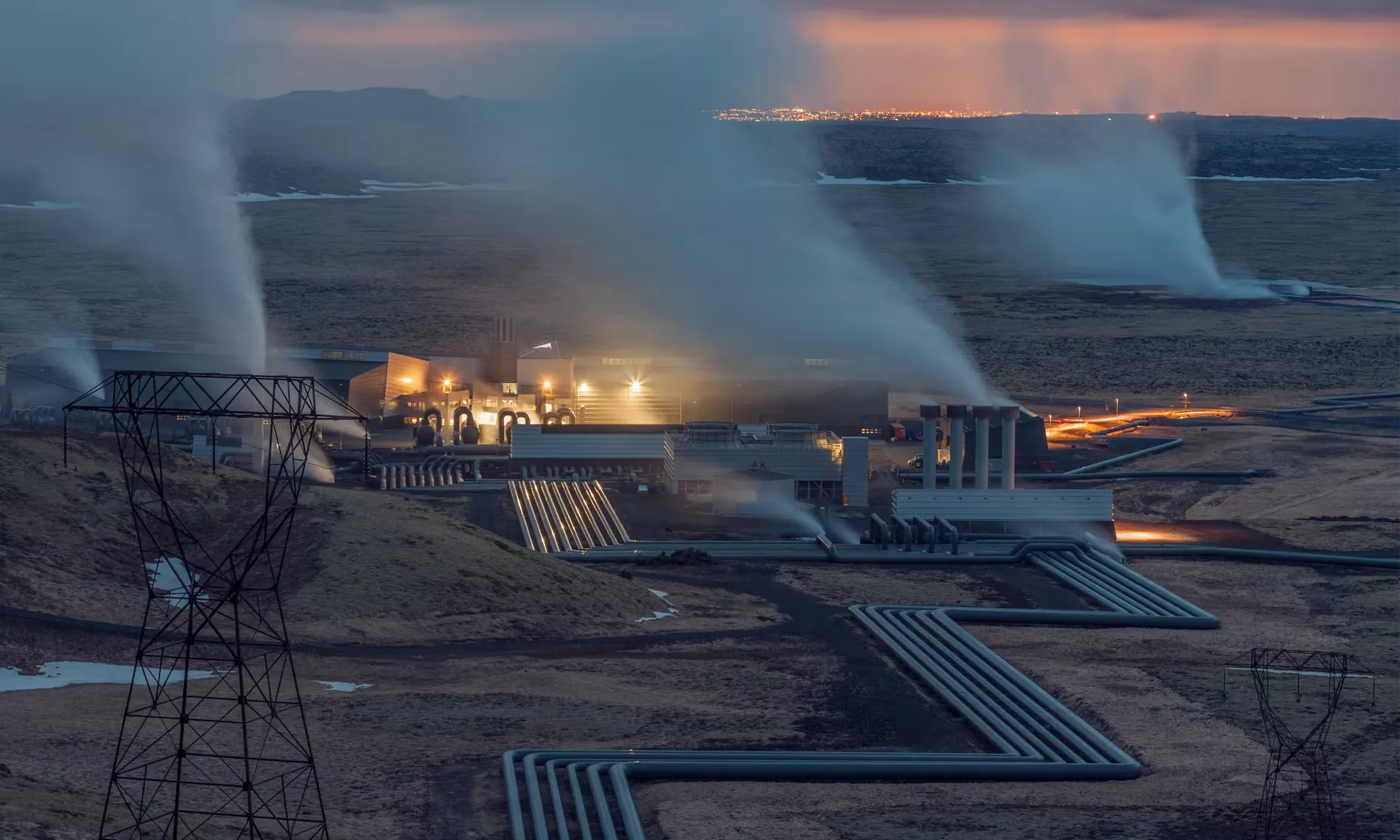
Energy that doesn’t rely on the wind, the sun, or the time of day. This is geothermal energy—one of the most stable yet underestimated renewable sources. Today, we no longer ask if we can scale it up.
The real question is: how fast can we do it?
For years, geothermal energy has remained in the shadow of flashier technologies—solar panels gleaming in the sun and wind turbines majestically spinning on the horizon. And yet, geothermal may prove to be the most valuable piece of the puzzle. It doesn’t stop working, doesn’t require energy storage, and isn’t affected by weather conditions. If we want a 100% renewable energy future, we must invest in it.
The technology is ready. Enhanced Geothermal Systems (EGS) are unlocking new possibilities. We’re talking about a breakthrough that could make geothermal a cornerstone of the global energy transition. Scalable, renewable, and reliable—exactly what we need in a world that can no longer afford energy compromises.
Reading time: 4.5 minutes.
Geothermal energy is heat stored deep within the Earth. Where does it come from? It is a remnant of planetary formation and the continuous decay of radioactive elements within the Earth's crust.
This is not a new invention. As early as 1904, Italian engineer Piero Ginori Conti built the first geothermal power plant in Larderello. Today, more than 90 countries harness geothermal energy, with a total installed capacity exceeding 16 GW—enough to power 16 million households.
Geothermal power plants operate much like an espresso machine: hot water and steam from beneath the Earth’s surface drive turbines to generate electricity. But now, we’re taking it a step further—with AI and cutting-edge technologies, we can extract heat even from magma chambers.
In the following sections, we will explore global innovations and groundbreaking technologies redefining how humanity approaches geothermal energy. We’ll analyze the latest advancements, compare the strategies of industry leaders, and examine what the future holds for this rapidly evolving sector.
Just a few years ago, Enhanced Geothermal Systems (EGS) were considered a futuristic concept, requiring years of research and massive investments. Today, however, this energy model is becoming a reality. Fervo Energy, a U.S.-based company specializing in advanced geothermal systems, has proven that deep-earth energy can be efficient, scalable, and cost-competitive.
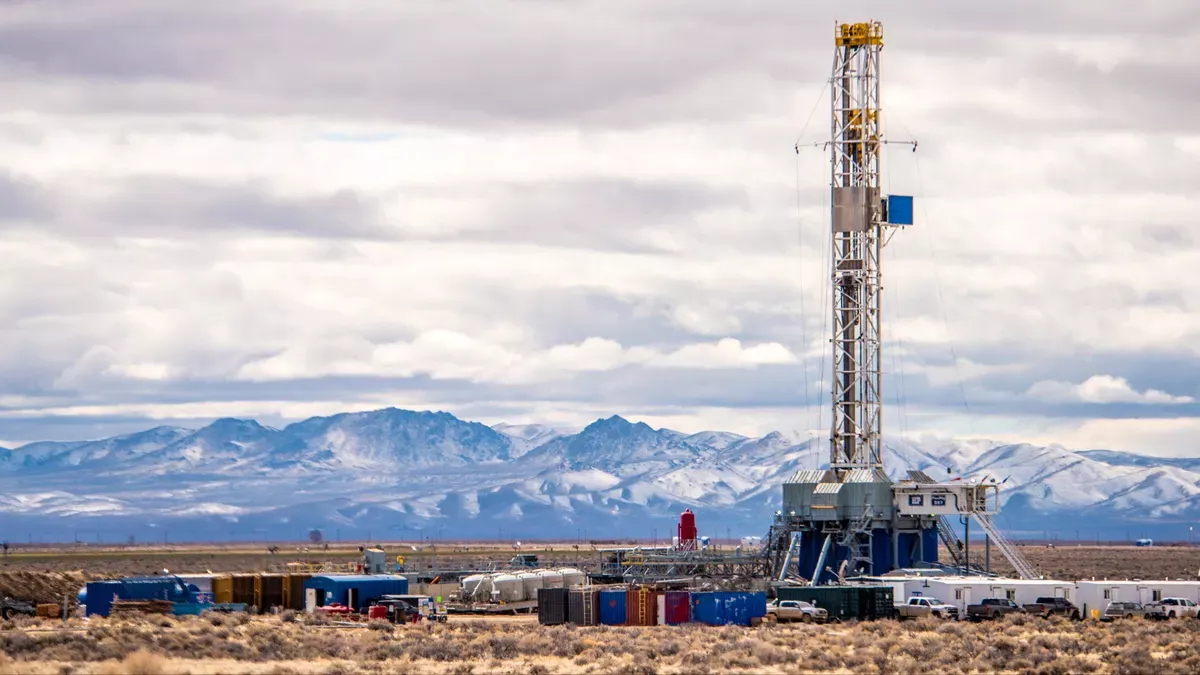
Fervo Nevada, Photo Credit: Fervo Energy
In 2023, Fervo Energy launched one of the world’s first EGS installations in Nevada, with a capacity of 25 MW. This groundbreaking project currently powers around 20,000 homes. But this is just the beginning—engineers are already working on additional wells that could increase the plant’s capacity several times over.
What sets this project apart from traditional geothermal power plants? The key lies in cutting-edge technology—inspired by the oil and gas industry. Fervo Energy utilizes advanced horizontal drilling techniques and precise geothermal reservoir stimulation, making it possible to extract heat efficiently even in locations where it was previously considered impossible.
Solar power – great on sunny days, but inefficient at night.
Wind power – effective, but only when the wind is blowing.
Geothermal energy? It works 24/7, 365 days a year.
The Fervo Energy plant does not require costly energy storage systems or additional backup power, making it one of the most reliable renewable energy sources available.
The cost of generating geothermal electricity is still slightly higher than solar or wind power, but it is on a downward trend. Currently, geothermal power costs range from $0.06 to $0.08 per kWh, meaning it is already competing with natural gas ($0.05–$0.07 per kWh).
According to a U.S. Department of Energy report, if drilling efficiency improves by just 30%, the cost of geothermal power could drop to $0.04 per kWh. That would make it cheaper than coal, gas, and even most wind farms.
For comparison:
Solar power (without energy storage) – $0.03–$0.06 per kWh
Onshore wind energy – $0.04–$0.07 per kWh
Natural gas – $0.05–$0.07 per kWh
Geothermal energy (potential future cost) – $0.04 per kWh
What does this mean in practice? If drilling costs continue to decline, geothermal will become one of the cheapest and most stable renewable energy sources.
Iceland is a textbook example of how consistent energy policy and efficient use of natural resources can revolutionize the way a country produces and consumes energy. The volcanic activity of this small nation, home to just over 370,000 people, provides immense heat reserves, which Icelanders have been harnessing for decades to generate electricity and heat their homes. Over 90% of Iceland’s buildings are heated with geothermal energy, and 66% of the country’s electricity comes from the Earth's interior.
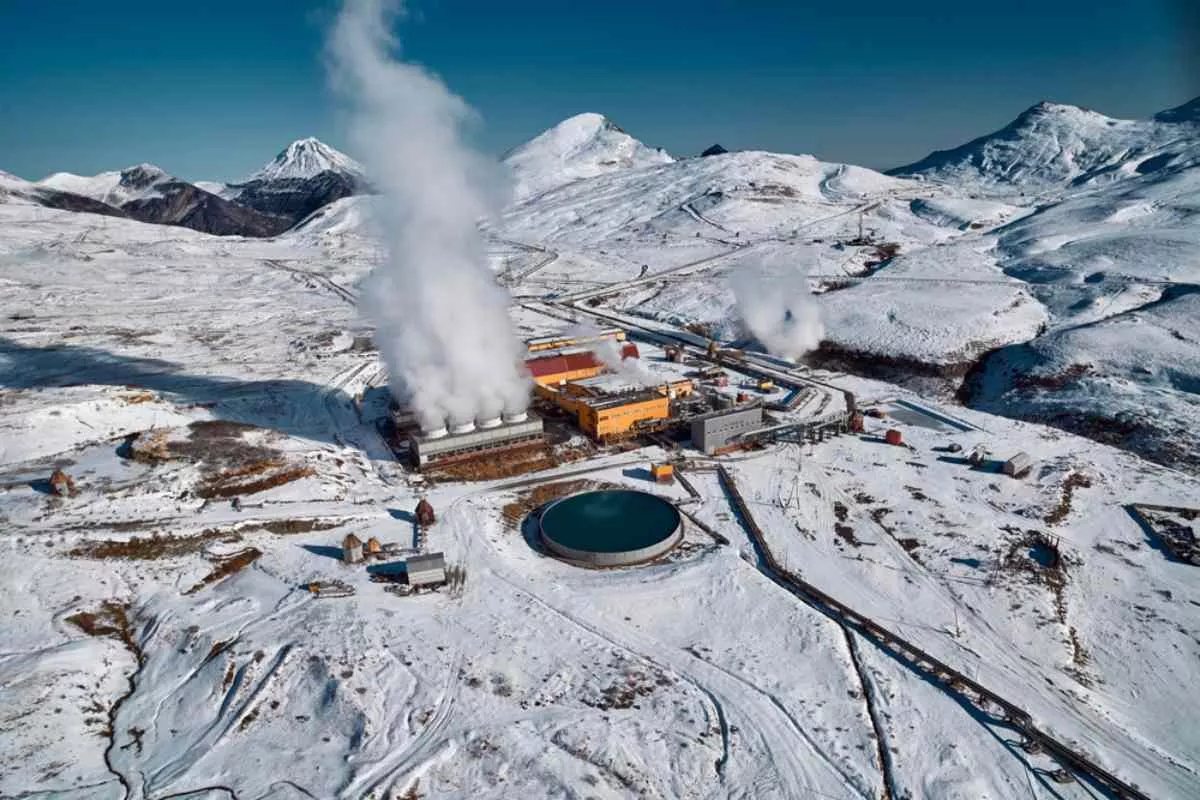
Iceland Geothermal Energy, Photo via reykjavikcars.com
Thanks to its unique geology, Iceland has some of the world’s best geothermal conditions—with over 200 active geothermal systems and more than 600 hot springs scattered across the island. But having the resources is one thing—effectively using them is another.
The key factor behind Iceland’s success is government policy. As early as the 1970s, the Icelandic government strategically invested in geothermal energy as a foundation for energy independence. As a result:
Over 90% of Icelandic buildings are heated with geothermal energy—the highest percentage in the world.
66% of the country’s electricity is generated from geothermal sources, with the remainder coming from hydropower.
The cost of electricity? On average, just $0.035 per kWh—one of the lowest rates globally.
Carbon emissions per capita are among the lowest in the developed world, despite Iceland’s harsh climate requiring intensive heating.
For Iceland, geothermal energy is not just about power generation—it powers entire industries and daily life:
District heating – A nationwide network of pipelines delivers hot water to cities and towns, eliminating the need for coal or gas. Reykjavik, the capital, is the largest city in the world heated entirely by geothermal energy.
Geothermal greenhouses – Icelanders grow fruits and vegetables year-round, despite their harsh Arctic climate. Once heavily reliant on imports, the country now produces tomatoes, bell peppers, and even bananas in geothermal-heated greenhouses.
Food industry – The drying of fish for export is done using geothermal energy, reducing dependence on fossil fuels.
Tourism & wellness – The Blue Lagoon, one of the world's most famous geothermal spas, attracts over a million tourists annually. Iceland has turned hot springs into a national brand, developing a wellness tourism industry around geothermal resorts.
Hydrogen production – Iceland is actively experimenting with using geothermal energy to produce hydrogen, positioning itself as a pioneer in renewable fuel production.
After decades of investment and research, Iceland has become an exporter of geothermal expertise and technology. Icelandic companies such as Mannvit, Reykjavik Geothermal, and HS Orka design geothermal power systems worldwide—from Kenya to Indonesia to California.
Icelandic engineers advise on some of the world's largest geothermal projects, and the government actively promotes geothermal resource management. One example is the United Nations University Geothermal Training Program (UNU-GTP), which has been training global geothermal experts since the 1970s, helping develop this energy source in emerging markets.
Iceland is one of the few places in the world where geothermal is not just part of the energy mix—it is the backbone of the country’s energy system. This small, rugged island, shaped by glaciers, volcanoes, and lava fields, has proven that even in extreme conditions, it is possible to build a stable, sustainable energy infrastructure that is virtually free of fossil fuels.
Iceland proves that having resources is not enough—there must be a strategy for utilizing them. It was not geology, but energy policy and long-term investments that turned the country into a global leader in geothermal energy.
If other nations follow Iceland’s example—focusing on long-term planning, infrastructure expansion, and financial support—geothermal energy could become one of the key pillars of the global energy transition.
It wasn’t just natural resources or geological luck that led to Iceland’s success—the decisive factors were government commitment and the determination to build a stable, renewable infrastructure. Iceland prioritized a long-term strategy, geothermal subsidies, and extensive research on the efficiency of this energy source.
The result? A cost of $0.035 per kWh—one of the lowest electricity prices in the world. As a result, Iceland has not only eliminated its dependence on fossil fuels but has also become a global leader in exporting geothermal technology.
Now let’s compare this with the United States. The USA has the world’s largest geothermal potential, far greater than Iceland, yet geothermal accounts for less than 1% of the country’s electricity production.
For comparison:
The total geothermal potential in the USA is estimated at over 500 GW—more than the combined capacity of all its renewable energy sources today.
Currently installed geothermal capacity in the USA is around 3.7 GW, a tiny fraction of its real potential.
The cost of geothermal energy in the USA ranges from $0.06–0.08 per kWh, slightly higher than in Iceland but still competitive with natural gas.
So why isn’t the USA fully utilizing its geothermal resources?
Lack of strategic investments – For decades, geothermal development was neglected in favor of more visible and heavily subsidized technologies like solar and wind power.
High upfront costs – Drilling and geothermal infrastructure require large initial investments, which discourages private investors.
Lack of a developed transmission network – Geothermal hotspots are concentrated in western states like California, Nevada, and Utah, while the greatest energy demand is on the East Coast and Midwest. Without a modernized grid, even high-efficiency geothermal plants can’t supply distant metropolitan areas.
However, this is starting to change. Thanks to modern Enhanced Geothermal Systems (EGS) and AI-driven drilling optimization, the cost of geothermal electricity in the USA could drop to $0.04 per kWh—making it cheaper than any other renewable energy source.
Comparing these two countries proves one thing: having resources is not enough—what matters is how you use them. Iceland has consistently invested in geothermal energy for decades, while the USA is only now beginning to take it seriously.
If American EGS projects—such as Fervo Energy’s breakthrough in Nevada—continue to succeed, we could witness a true geothermal revolution in the USA. In the long run, the United States has the potential to become a global leader in geothermal energy, but only if it follows Iceland’s strategic approach.
You don’t have to look far to see how geothermal energy can transform a region’s energy landscape. Podhale is the best example of how a stable, renewable heat source can not only power households but also significantly improve air quality and boost the local economy.
Currently, Geotermia Podhalańska supplies over 400 TJ of heat per year to thousands of buildings—from single-family homes to hotels, guesthouses, and public facilities. This eliminates the need for burning coal and gas, making a massive impact on emissions reduction. It is estimated that this system prevents more than 40,000 tons of CO₂ from being released into the atmosphere every year.
Podhale is one of Poland’s hottest geothermal zones—underground water temperatures reach 80–90°C, making it an ideal energy source for district heating systems. Water is extracted from a depth of several kilometers, used for heating, and then returned to its natural reservoirs, completing a closed-loop cycle. This allows for near-zero consumption of fossil fuels for heating, a crucial advantage in a region that has struggled with severe air pollution for years.
And this is just the beginning.
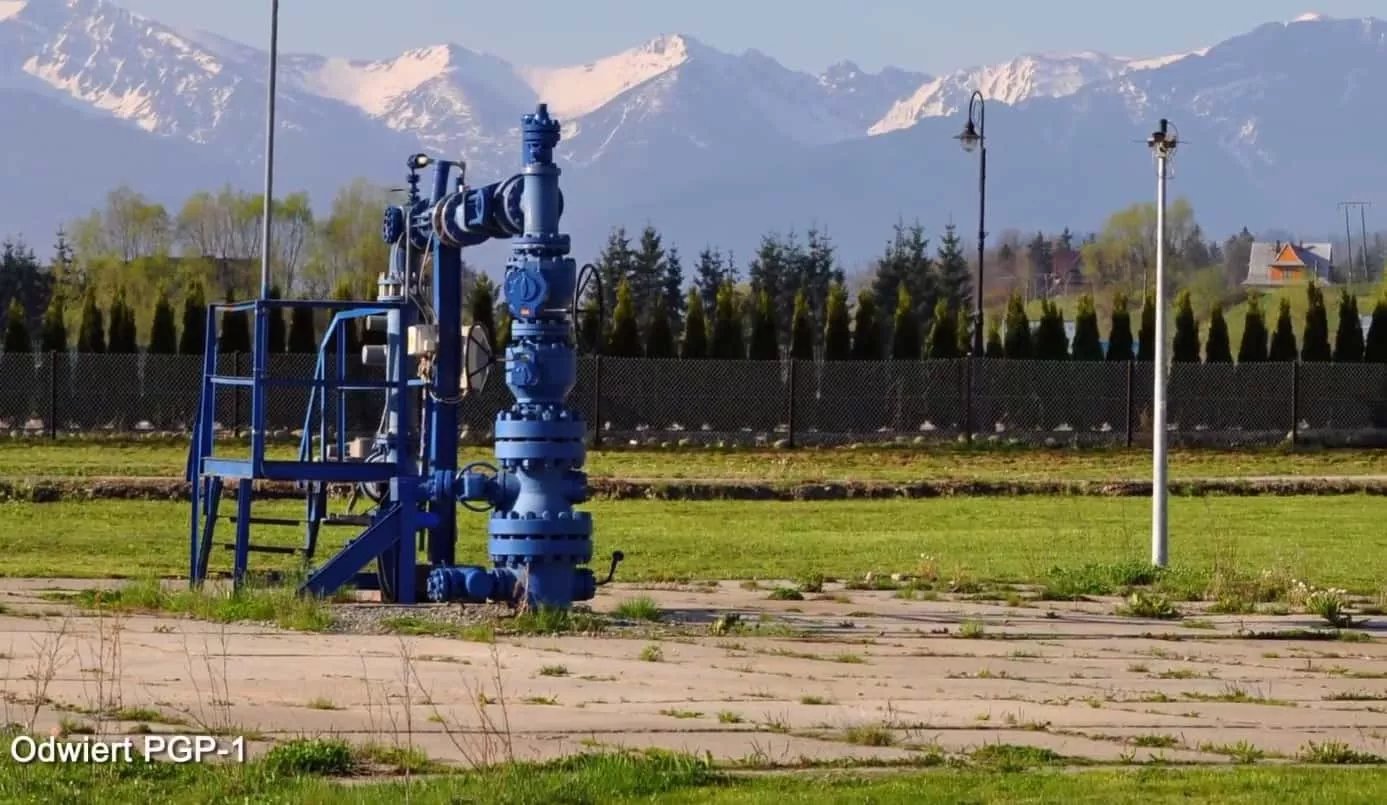
Photo Credit: Geotermia Podhalańska
90% of Poland’s land area has geothermal potential, yet it remains largely untapped. In southern Poland, the conditions are particularly favorable, offering a massive opportunity for expansion.
The Carpathians and the Sudetes hold vast geothermal water reserves that could supply cities and villages, reducing coal and gas dependency.
Kraków, Nowy Sącz, Tarnów, and even Katowice could tap into geothermal energy sources, significantly cutting air pollution in Małopolska and Silesia.
Smaller towns like Rabka-Zdrój and Krynica-Zdrój could power their sanatoriums and wellness resorts with clean energy from deep underground.
Today, geothermal energy in Poland is still seen as a "technology of the future", even though it’s already a standard in Iceland, Germany, and France. So why should southern Poland continue to wait?
If Poland wants to truly reduce its reliance on fossil fuels, geothermal energy must become a key part of its energy mix—especially in regions with high heat demand. Southern Poland is a perfect candidate for this transition—from major metropolitan areas to mountain towns, where geothermal power could replace expensive, high-emission fuels.
Podhale has proven that it works. Now, it’s time for other regions to follow suit.
We have the resources, we have the technology, and we have proof of its effectiveness. So why isn’t geothermal energy dominating the global energy mix?
Problem #1: The Cost of Drilling
Extracting energy from deep within the Earth isn’t cheap—at least not at this stage of technological development. Drilling accounts for up to 50% of the total budget of a geothermal investment, with costs ranging from $5 to $10 million per well. The key question is: how can we significantly lower these costs?
Modern drilling techniques inspired by the oil and gas industry might provide the answer. Advanced horizontal drilling methods and enhanced geothermal reservoir stimulation are already improving extraction efficiency. If we increase well productivity by just 30%, the cost of geothermal energy could drop to $0.04 per kWh, making it one of the cheapest renewable energy sources.
Problem #2: Transmission Infrastructure
Geothermal energy is not always found where demand is highest. In the USA, vast geothermal resources are concentrated in the western states—California, Nevada, and Utah—while the highest energy demand is on the East Coast and in the central states.
Without expanding the transmission network, even the most efficient geothermal plants won’t be able to supply distant metropolitan areas. This means not only multi-billion-dollar investments in infrastructure but also years of work to establish new energy connections.
For comparison: Iceland, despite having a much smaller power grid, has consistently expanded its geothermal network, adapting it to local needs. Meanwhile, in the U.S. and Europe, planning new transmission lines can take years, hindered by bureaucracy and a lack of political will.
The Biggest Obstacle #? Capital and Political Decisions
Investors are wary of risk. Geothermal projects require significant upfront investments, with returns taking years to materialize. Compared to solar farms, which can be built within months, geothermal energy demands long-term planning and stable financing.
And what are governments doing? They continue to focus subsidies on wind and solar, even though geothermal energy could perfectly complement these technologies by providing grid stability. In some countries, like Germany, support for geothermal energy is increasing, but it still falls short of the financial backing given to solar and wind power.
If we want geothermal energy to become a real pillar of the energy transition, we must accelerate the development of EGS technology, lower drilling costs, and expand transmission infrastructure. But most importantly—we must convince investors and governments that a stable renewable energy source is worth every dollar.
This is not a question of "if"—it's a question of "how fast."
Geothermal energy is not the future—it is ready now. The technology works, the first large-scale projects are delivering promising results, and energy production costs are falling. What seemed like an engineering fantasy a decade ago is now shaping the future of global energy transformation.
But are we keeping up with this change?
This is not about technological capability, but about our decisions—political, investment, and strategic. The world faces two choices:
We can continue pouring billions into intermittent, decentralized energy sources that require expensive storage and backup systems.
Or we can bet on stability and predictability, using the Earth's natural heat, available 24/7, 365 days a year, for free.
Currently, more than 70% of global renewable energy investments are directed towards solar and wind power, even though these technologies do not guarantee a continuous energy supply. Meanwhile, geothermal energy, which could solve this issue, receives only a fraction of financial support.
We can no longer ignore this disproportion. Energy stability cannot rely solely on storage systems and grid flexibility – we need sources that operate continuously.
Strategy for the next decade: Scaling up
Reducing drilling costs – if new drilling technologies lower costs by 30%, geothermal energy will become cheaper than natural gas.
Expanding transmission infrastructure – without it, even the most efficient geothermal plants won’t be able to supply energy to cities and industries.
New energy policies – subsidies and support programs should include geothermal energy on an equal footing with other renewables.
Public and private investments – in countries like Iceland and Germany, governments and energy companies are already recognizing the potential of this technology. The rest of the world should follow their lead.
Each year of delay means billions of dollars poured into solutions that will never provide the stability that geothermal energy can offer. Will we seize this moment before more countries double down on less stable energy sources? The transition won’t happen on its own – it requires courage, long-term planning, and decisive action. But one thing is certain: geothermal energy will no longer stay on the sidelines.
Now, only one thing matters: How fast can we scale it? What about you? How do you see the future of geothermal energy? Share your thoughts!
Sources:
Article Cover Photo: Hellisheiði, Geothermal Plant, CC: Pedro Alvarez/The-Observer via The Guardian
International Energy Agency (IEA) – Geothermal Power Report
🔗 https://www.iea.org/reports/geothermal-power
U.S. Department of Energy (DOE) – The Future of Enhanced Geothermal Systems (EGS)
🔗 https://www.energy.gov/eere/geothermal/enhanced-geothermal-systems
International Geothermal Association (IGA) – Global Geothermal Development Report
🔗 https://www.lovegeothermal.org/
Orkustofnun – National Energy Authority of Iceland – Iceland Geothermal Development
🔗 https://nea.is/geothermal
No reviews!