24 Jun
2025
Energeks

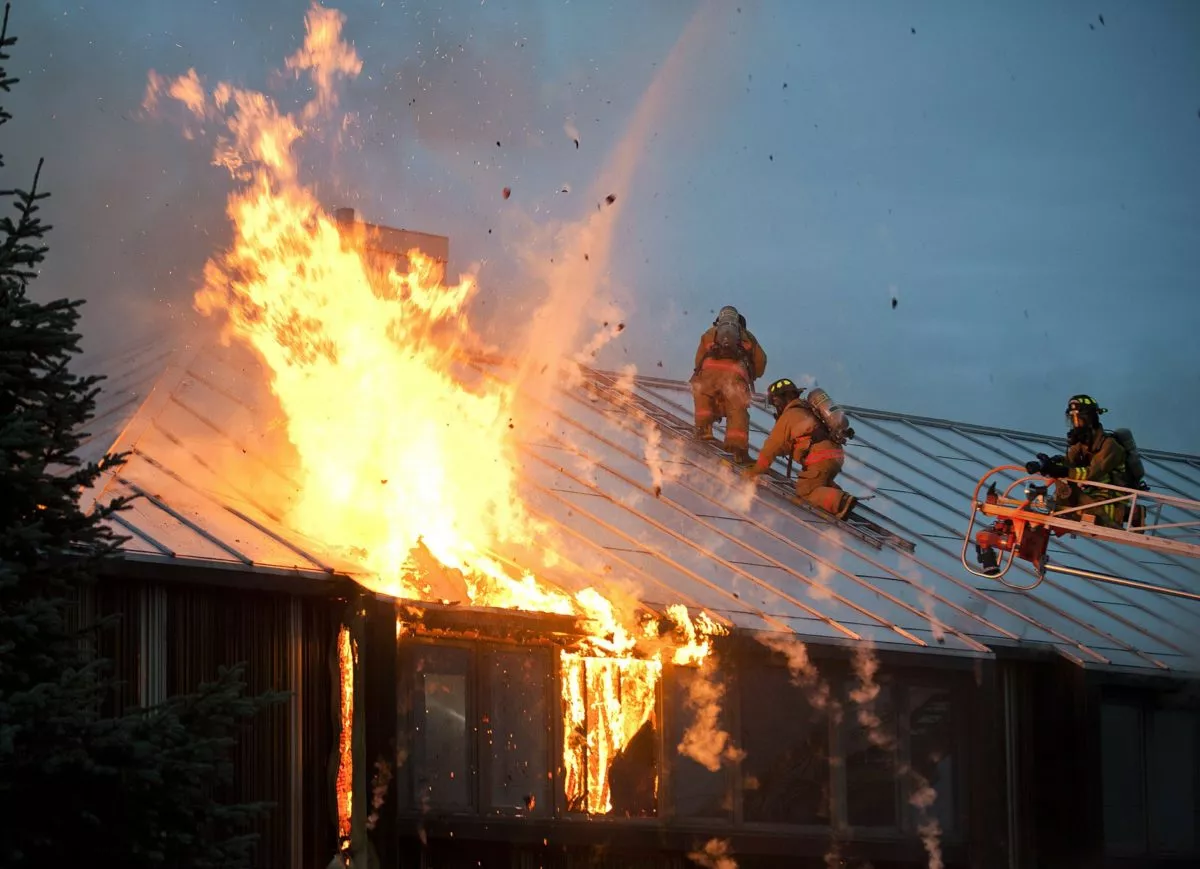
In the world of modern energy systems, the line between standard operation and serious risk is often razor-thin. Transient overvoltages, spikes caused by lightning strikes, overloads, or grid disturbances can occur within milliseconds and bring weeks of work to a halt.
At the same time, dynamic industrial installations, photovoltaic farms, and compact substations today demand much more than just voltage conversion. A transformer is no longer a passive link. It becomes an active participant in the power system.
It protects, it monitors, it communicates, and it adapts.
This article presents four specialized solutions applied in medium-voltage transformers. Each addresses a specific need: safety, control intelligence, resilience to environmental conditions, or ecological impact. While not every application requires all features, understanding them allows for better decision-making.
If you manage energy infrastructure, work in the industrial sector, operate PV farms, or are responsible for ensuring the uptime of distribution substations, this overview may help you avoid costly mistakes and optimize your equipment choices.
What you’ll find in this article:
How a transformer with surge protection works and when to use it
What sets a transformer with built-in automation apart and what it offers
Why TOGA terminals and MIDEL oil are a strong combination for modern installations
The benefits of a transformer in a metal enclosure with fire-resistant oil
Reading time: approx. 11 minutes
A standard transformer is just the beginning. Today’s energy systems demand solutions tailored to the environment: stormy weather, dynamic loads, the need for remote supervision, or limited installation space.
A modern transformer can now perform more functions than ever before. It can:
monitor and transmit data on load, temperature, and insulation condition
respond to voltage fluctuations or overloads
protect against disturbances, both from the grid and from consumers
minimize fire risk by using fire-safe oils and sealed enclosures
Let’s now take a closer look at the specifics.
Voltage spikes are among the most common and dangerous causes of failure in energy infrastructure. A surge protection device (SPD) has a single purpose: to immediately reduce excessive voltage to a level safe for the transformer's insulation and the rest of the system.
Integrating a surge arrester directly into the transformer enclosure is a solution increasingly seen across Europe’s medium-voltage installations, from industrial zones to rural distribution substations.
This approach minimizes reaction time, lowers installation costs, and reduces the number of components exposed to corrosion or mechanical failure.
The SPD works by redirecting the surge energy to ground.
It reacts within microseconds to sudden voltage increases, typically from lightning or switching large loads. Modern class B and C devices can withstand surges of several tens of kA while maintaining performance across repeated events.
Integrating an SPD into the transformer can be crucial where reliability and restoration time are paramount. In many European countries, this is now standard in high-risk facilities: hospitals, data centers, EV charging stations, and PV installations in open areas.
What does a surge protection device do?
It is a component that instantly diverts surge energy (such as from a lightning strike) to ground before it can damage the transformer's insulation.
In practice, it:
protects transformer windings and downstream components
extends the life of the entire MV system
prevents production downtime and losses
Key data:
response time: <25 ns
sparkover voltage: 15–45 kV (depending on grid design)
service life: >10 years under standard surge exposure
When to use:
substations installed in open terrain
areas with frequent lightning (e.g. mountainous or coastal zones)
grids with unstable voltage supply
mobile or temporary substations
The development of smart grids, industry automation, and the need for remote infrastructure management has led to transformers increasingly being equipped with built-in automation systems. These units do more than measure voltage and current – they also communicate with SCADA systems, enable dynamic reconfiguration, and detect faults in real time.
Transformers with built-in control systems are most commonly used in locations with high load variability – industrial plants, urban networks, EV charging hubs, and interconnection points for distributed energy resources.
The automation package can include energy quality meters, winding and oil temperature sensors, tap changer controllers (OLTC), and communication modules supporting protocols such as IEC 61850, Modbus TCP/IP, or DNP3.
This allows operators to adapt transformer operation to network conditions in real time, anticipate overloads, and optimize energy flow.
Additionally, built-in automation helps meet European efficiency and environmental regulations such as the Ecodesign directive and Regulation 2019/1783. Thanks to precise monitoring, transformers can operate with reduced losses and maintain performance for longer periods.
What does automation include?
integrated PLC controller
electrical parameter recorders
oil and winding temperature sensors
communication interface (Modbus, CAN, IEC 61850)
Typical functions:
oil and winding temperature control
remote switching
load analysis
predictive maintenance
Application example:
A 2 MW PV farm in western Europe reduced average winding temperature by 6°C using a transformer with automation. This extended service life by 4 years and eliminated the need for unplanned maintenance.
Where does it work best?
heavy industry (e.g. steelworks, foundries)
solar and wind farms
urban smart grids
temporary container substations
TOGA terminals (TO – touch-proof terminals) are a special connector format that enhances safety when connecting power cables. These terminals provide superior insulation, reduce the risk of accidental short-circuits, and simplify maintenance.
They are often selected where access to the transformer is limited or where operations are carried out in the field – such as PV farms, open-air industrial applications, or containerized solutions.
Even more important is the choice of insulating fluid.
Traditional mineral oil, while reliable, is increasingly being replaced by safer and more advanced alternatives. One of them is MIDEL – a synthetic ester with a very high flash point (over 300°C) and extremely low toxicity. It is biodegradable, fire-safe, and compliant with environmental regulations in many European countries.
Using MIDEL oil in transformers with TOGA terminals combines safety and sustainability. Such units are more resilient to environmental conditions, require less maintenance, and can be installed in protected areas – near water sources or in nature reserves.
A TO + MIDEL transformer is the ideal choice for those who refuse to compromise on operational safety or environmental impact.
TOGA terminals:
fast and safe plug-in cable connection
minimized short-circuit risk during installation and maintenance
better ergonomics in field and industrial setups
easier inspection and servicing
MIDEL oil:
fire-resistant – flash point above 300°C, far higher than mineral oil
biodegradable – over 98% breakdown within 28 days
non-toxic – safe for people and ecosystems even in case of leaks
compliant with EU norms – REACH, RoHS, approved for use near water protection zones and Natura 2000 areas
Applications:
ideal for PV farms where fast installation, safety, and environmental resilience are essential
effective in industrial contexts where installation space is limited and safety is a priority
Technical and environmental benefits:
reduced fire and contamination risk
high reliability under variable weather conditions
eco-conscious choice aligned with ESG and sustainability policies
A compact design, easy transport, enhanced mechanical resistance, and full safety compliance – these are the main advantages of transformers housed in a metal enclosure and filled with MIDEL oil. These units are increasingly chosen for prefabricated transformer stations, urban installations, and critical infrastructure.
The metal enclosure offers protection against mechanical damage, moisture ingress, and environmental exposure. Combined with a well-selected cooling system – either natural or forced – it enables long-term, stable operation without frequent maintenance.
Using fire-resistant synthetic MIDEL oil increases installation safety, reducing the risk of fire in case of internal faults or overheating. The oil does not release toxic fumes and can be used safely even in highly regulated environments such as medical facilities or public infrastructure nodes.
The M + MIDEL transformer in a metal enclosure is a particularly attractive solution for investors planning grid expansion in confined or complex environments. Ready to connect and resistant to external influences, these transformers deliver uncompromised reliability.
Metal enclosure:
increased mechanical durability and sealed construction
protection against moisture, dust, and mechanical impacts
ideal for prefabricated substations and urban infrastructure
enables fast installation and simplified logistics
Applications:
container and prefabricated substations where quick setup and sealed housing matter
critical infrastructure – hospitals, public facilities, urban areas
environmentally sensitive locations – without risk of soil or water contamination
Technical and operational advantages:
low noise and vibration emissions
reduced failure rates and extended maintenance intervals
suitable for challenging environmental conditions
compliant with PN-EN 60076 and Ecodesign directive
A transformer is no longer just an auxiliary device.
In the era of distributed networks, electromobility, decentralization, and rising environmental requirements, it becomes a strategic part of infrastructure. Choosing the right configuration – with surge protection, automation, safe terminals, or eco-friendly oil – directly impacts system reliability, safety, and operating costs.
Each of the solutions described has a valid purpose and application. The best decisions are those that consider not just today’s needs but also where your installation is heading in the years ahead.
We hope this article helped you see transformers from a new perspective.
If you are planning a project where long-term safety, clear documentation, and adaptability are essential, we are here to support you.
We help select, configure, and test transformers to meet PN-EN 60076 compliance, ready for commissioning, and built for decades of operation.
Check out our transformer range – available in versions compliant with PN-EN 60076, with full routine testing and optional special tests when required by your project or environment.
Planning a retrofit or new station? Get in touch – our engineers can help tailor solutions to your specific conditions.
Join our community on LinkedIn – we share hands-on knowledge from hundreds of real-world projects.
Thank you for reading to the end.
We hope this article offered not just information but inspiration for asking better questions – because better questions are what move the energy sector forward.
Sources:
Power Transformers - Ecodesign requirements apply to this product.
No reviews!