30 May
2025
Energeks
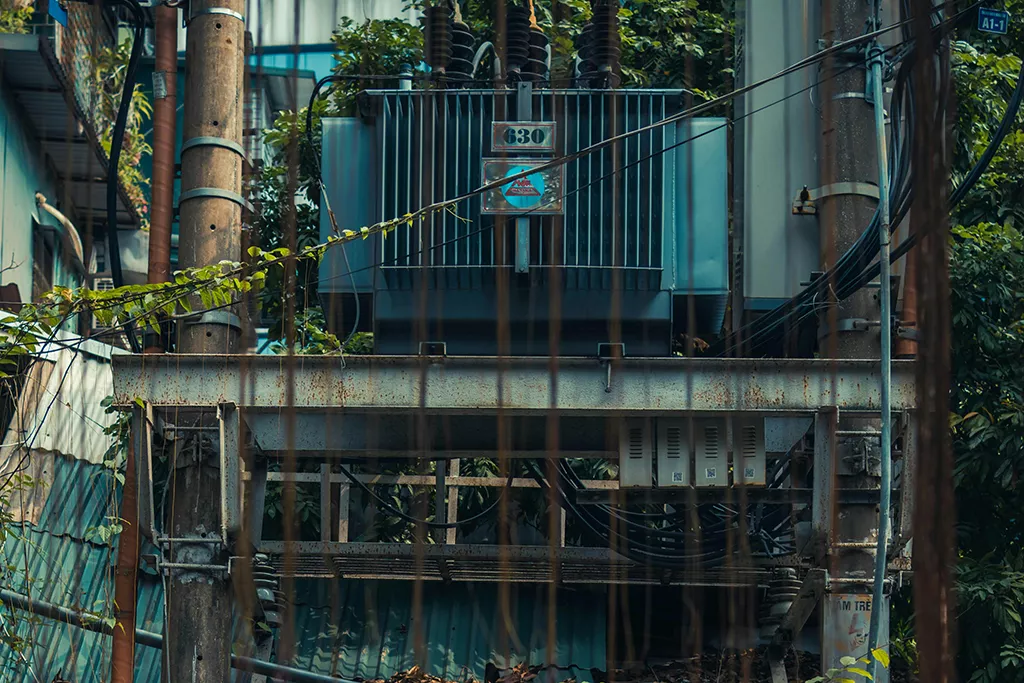
There are places where silence means everything is working just fine. But there are also places where long-lasting silence can be unsettling. A transformer station is one of them. It usually says nothing.
And yet what happens inside it affects the entire energy puzzle of your company, your facility or your renewable energy installation. Maybe today is a good moment to see it not just as a standard part of infrastructure, but as the beating heart of your local energy system. One that deserves care and thoughtful attention.
Because at Energeks, we’ve spent years helping our partners design, build and modernize transformer stations. Industry, municipalities, solar developers – their needs vary, but one thing stays the same. Failures are rarely sudden. They’re the final chapter in a long story. Before that? There are signs. Sometimes subtle, always meaningful when you take a closer look.
This article is an invitation to owners, operators and designers of MV infrastructure to see their station through a new lens. You’ll find 5 specific signals that may indicate your station is ready for something more. A modernization that brings not only safety, but peace of mind, compliance and real savings.
This is not a list of warnings. It’s a guide to opportunities worth considering before unplanned downtime or rising costs show up. Because today, it’s not about avoiding disaster. It’s about staying ahead and building advantage. Together.
In this article, you’ll learn:
What frequent maintenance might be telling you,
Why overheating is more dangerous than it seems,
How sound levels can reveal technical changes,
What leaks and oil stains really mean,
Why unstable voltage might be costing you more than you think.
Estimated reading time: 8 minutes.
If you're frequently calling for service due to minor malfunctions, it's not a coincidence. This is often a sign that your transformer station is entering an advanced wear phase.
Components aged between 15 and 25 years typically begin to degrade more rapidly. The system behaves much like a human body: every element affects the next. Key parts such as bushings, voltage regulation mechanisms, switchgear actuators or insulation systems are especially vulnerable. If you are seeing more than 4 or 5 interventions per year, this should trigger a deeper technical evaluation.
Think of it like a car. When the cost of repairs consistently exceeds the market value of the vehicle, it’s time to consider a replacement. In the case of a transformer, this means unplanned downtime, increased fire hazard due to insulation failures, and issues with compliance to standards such as EN 61936-1.
Frequent servicing also strains logistics. Every intervention requires coordination, sometimes stopping or switching to backup systems. At some point, these disruptions start impacting production continuity. It is worth calculating the total cost of ownership (TCO) and comparing it to the investment in modernization.
Temperature is a key factor in determining the lifespan of a transformer.
Overheating is a gradual process that often goes unnoticed until damage has accumulated. According to IEC 60076-2, every 10°C increase above the recommended operating range reduces the expected life of paper-oil insulation by half.
A transformer running hot for several seasons may see its life expectancy drop from 30 years to just 10–12.
The most common causes of overheating include overloads, clogged radiators, oil contamination, and failing cooling fans. In ONAN-cooled transformers, heat is dissipated through natural oil and air circulation. Any inefficiency in this system directly impacts safe operation.
Temperature rise also leads to an increase in electrical resistance, up to 7 or 8% which contributes to power losses and voltage distortion. Long-term overheating may also deform windings mechanically, increasing the risk of internal short circuits.
Infrared thermography is a standard tool for evaluating temperature issues.
Annual inspections during peak summer load periods provide actionable data. Hot spots on thermal images are not just warnings, they are signals for immediate technical review.
Modern transformer stations often include real-time thermal monitoring, predictive data analysis systems, and oil temperature control. Replacing fans, cleaning radiators, and analyzing oil condition can significantly extend the transformer’s service life without full replacement.
Overheating doesn't always cause a sudden failure, but responding early with proper technical interventions helps restore operational safety and avoid long-term losses.
A properly functioning transformer produces a low, steady hum caused by core magnetization. This sound is normal. The issue starts when other noises emerge: crackling, metallic vibrations, pulsating hums or variations in sound intensity under load.
Each of these signals can point to different faults. Crackling may indicate partial discharges. Variable humming often results from loosened core laminations or slight deformations. Metal tones and vibration can signal loose bolts or deteriorating grounding connections.
Sound is now a diagnostic tool. Many industrial facilities use continuous acoustic monitoring with directional microphones or infrasonic sensors. These systems detect early changes before failures occur.
On this occasion, take a look at our article:
Silence that protects: how the acoustics of a MV switchgear affect safety and durability
One frequent example is loosening or delamination of the transformer core. It starts with mild irregular humming. After several months, additional vibrations appear.
Eventually, a mechanical or insulation breakdown may follow.
Modern monitoring systems can integrate acoustic diagnostics with SCADA or BMS. This allows trend tracking, early warnings and better maintenance planning.
Paying attention to sound changes is a simple but effective way to extend the service life of a transformer. If it sounds different, it's worth checking.
Any leak from a transformer, even a minor one, is not just a visual issue.
It's a technical signal indicating that something in the sealing system, tank structure, or cooling loop is no longer working properly. Oil spots on the floor, moisture near bushings, or a specific smell are warning signs. They should be treated as indicators of degradation, not as cosmetic flaws.
Transformer oil serves two main roles: insulation and cooling.
A drop in oil level reduces the effectiveness of both. This increases the risk of overheating, winding damage and dielectric failure. Contact between oil and air accelerates oxidation, reducing dielectric strength and increasing acidity. Over time, deposits may form and obstruct heat flow.
Modern transformers often use multi-layer gaskets, pressure compensation membranes, dehydrating filters and leak detection systems. Oil level sensors and pressure indicators support remote monitoring. Some stations include containment trays or retention tanks to meet environmental protection standards.
From the operator's perspective, any unresolved leak is a potential risk source, both technically and financially. Losing a few liters of oil daily over several months can result in significant internal damage, requiring full disassembly and repair. Environmental regulations in many countries require immediate documentation and cleanup of oil spills.
A stain is not just a mess, it is data.
A proper inspection, oil analysis and timely reaction can prevent long-term failure.
This is preventive maintenance, not aesthetics.
Voltage stability is essential for process reliability, product quality and energy efficiency. Instability doesn't always result in immediate failure, but it can create hidden issues. Fluctuations of 4 to 6 percent for several hours a day may cause inverter faults, motor overheating, PLC malfunctions or automation shutdowns.
The most vulnerable environments include automated industrial plants, EV charging infrastructure, solar farms and food processing facilities. In such settings, even short voltage deviations can lead to production losses, damaged materials or data errors. A precision electronics manufacturer in Poland reported monthly losses exceeding 10000 EUR due to voltage instability.
Modern substations feature AVR systems, on-load tap changers (OLTC), reactive power compensation and integration with EMS and SCADA. These tools enable dynamic voltage control to match real-time load conditions.
Monitoring harmonics and power factor is also important. Low voltage and high harmonic content may reduce machine efficiency, increase thermal stress and shorten equipment life.
We encourage you to read more on this topic:
Energy quality analysis should be part of regular maintenance. Monitoring voltage, current, apparent and active power, and THD indicators allows operators to detect anomalies early and apply corrections proactively.
A transformer that fails to support voltage stability becomes a bottleneck. With proper modernization, it can become a proactive element in improving overall system performance.
Every transformer station carries a story. Some operate with quiet perfection for decades. Others begin to whisper for attention. A shift in sound. A subtle oil stain. Slight voltage fluctuations. These are not failures. These are signals worth noticing.
At Energeks, we believe energy infrastructure should bring confidence, not concern. That’s why we stand beside decision-makers with engineering insight, precision, and honest support.
You don’t have to decide today. You can start by simply looking closer.
Discover what’s possible with us:
→ Explore our solutions
→ See which units are ready to ship
→ Contact us
If you value real conversations about technology, transparent collaboration and being part of something smarter, we’d love to connect with you on LinkedIn.
We don’t promise revolutions. But we do build space where technology supports people. Thank you for being here. We’ll be ready when you are.
References:
No reviews!