22 Jan
2025
Energeks

The transformer market is undergoing significant changes, driven by technological advancements, evolving regulations, and increasing energy demand. We invite you to explore how these innovations can revolutionize energy management and unlock new opportunities in the electrotechnical industry. Reading time: 2.5 minutes.
Europe – A Leader in Innovations for the Green Energy Transition
Europe stands out as a pioneer in the global energy transition, combining innovative technologies with ambitious decarbonization goals. Investments in modernizing transmission infrastructure and deploying smart transformers place this region at the forefront of efforts to improve energy efficiency and environmental protection.
A key aspect of Europe’s success lies in energy efficiency programs that support the reduction of greenhouse gas emissions. Intelligent transformers equipped with advanced cores that reduce energy losses by 60% and eco-friendly insulating oils contribute significantly to achieving these goals.
The transformation is also supported by the dynamic development of the Internet of Things (IoT), enabling real-time monitoring of transformer performance parameters and their integration with smart grids. These technologies are tailored to collaborate with renewable energy sources, fostering the development of wind and solar farms across Europe.
The region emphasizes:
Advanced transformer cores – minimizing idle losses.
Eco-friendly insulating oils – with a lower environmental impact and better dielectric properties.
Integration with renewable energy sources – ensuring efficient management of variable energy production.
The results of these efforts include reduced operational costs, increased reliability of transmission systems, and significant reductions in CO₂ emissions. Europe sets global standards, proving that sustainable development and innovation can also bring long-term economic benefits.
The European transformer market serves as an inspiration for other regions, demonstrating that investments in advanced technologies not only drive the green transition but also yield tangible financial results.
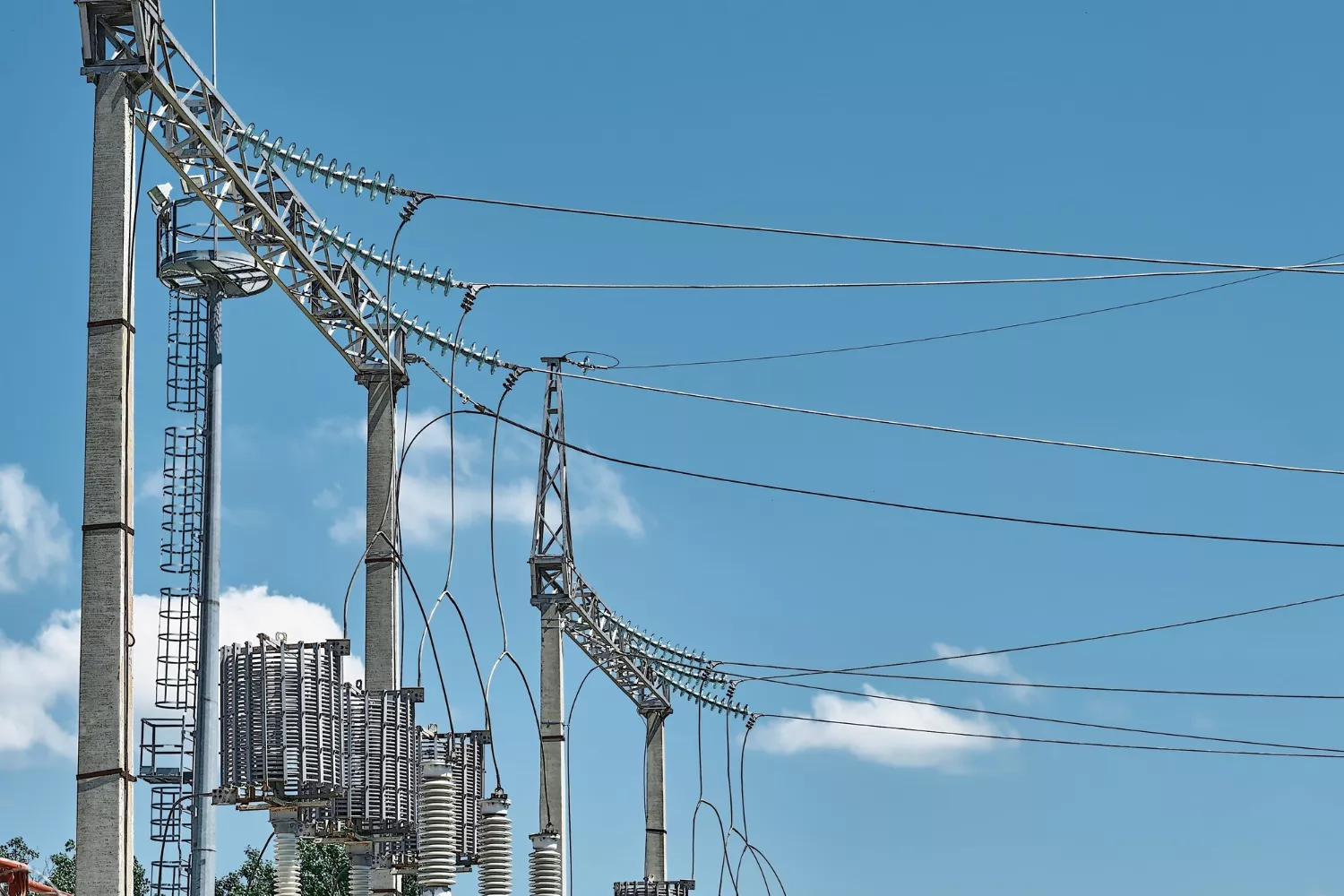
CC: Freepik
Asia, as the driving force behind the global transformer market, plays a pivotal role in the global expansion of the energy sector. Rapid economic growth, unprecedented urbanization, and increasing energy demand position this region as a leader in investments in modern electro-energy infrastructure.
China dominates as the largest exporter of transformers, introducing innovative solutions that support the integration of renewable energy sources. Wind farm projects in northern provinces and extensive photovoltaic installations in the southern regions of the country boost demand for transformers capable of operating under variable conditions and heavy loads. As a result, China sets new standards in energy efficiency while maintaining its position as a technological leader.
In India, the development of transmission infrastructure is driven by initiatives such as Power for All, which focus on electrifying rural areas and supporting industry. Investments in advanced materials, such as amorphous steel, significantly reduce energy losses. Additionally, projects like wind farms in Gujarat and Tamil Nadu, as well as solar installations in Rajasthan, integrate renewable energy sources with the national transmission grid.
Japan, a pioneer in advanced technologies, emphasizes modernizing urban networks using gas-cooled transformers. These innovative devices, which minimize energy losses and reduce environmental impact, are crucial to Japan’s strategy for achieving climate neutrality. The expansion of transmission networks enables efficient management of energy mixes that combine traditional and renewable sources.
Modern Technologies and International Collaboration – The Foundations of Asia’s Success
Across Asia, there is a growing interest in smart grids and real-time monitoring systems. These solutions enhance the reliability and efficiency of managing transmission networks. The rising popularity of wind and solar farms contributes to the dynamic adaptation of transformers to changing working conditions.
The region is also becoming a leader in international collaboration, accelerating the implementation of new technologies on an unprecedented scale. Transformer production plays a key role in these transformations, supporting sustainable development and innovation.
Asia demonstrates that rapid economic growth can align with environmental responsibility. Thanks to modern electrotechnical technologies, this region shows the world that modernizing electro-energy infrastructure is key to a sustainable future.
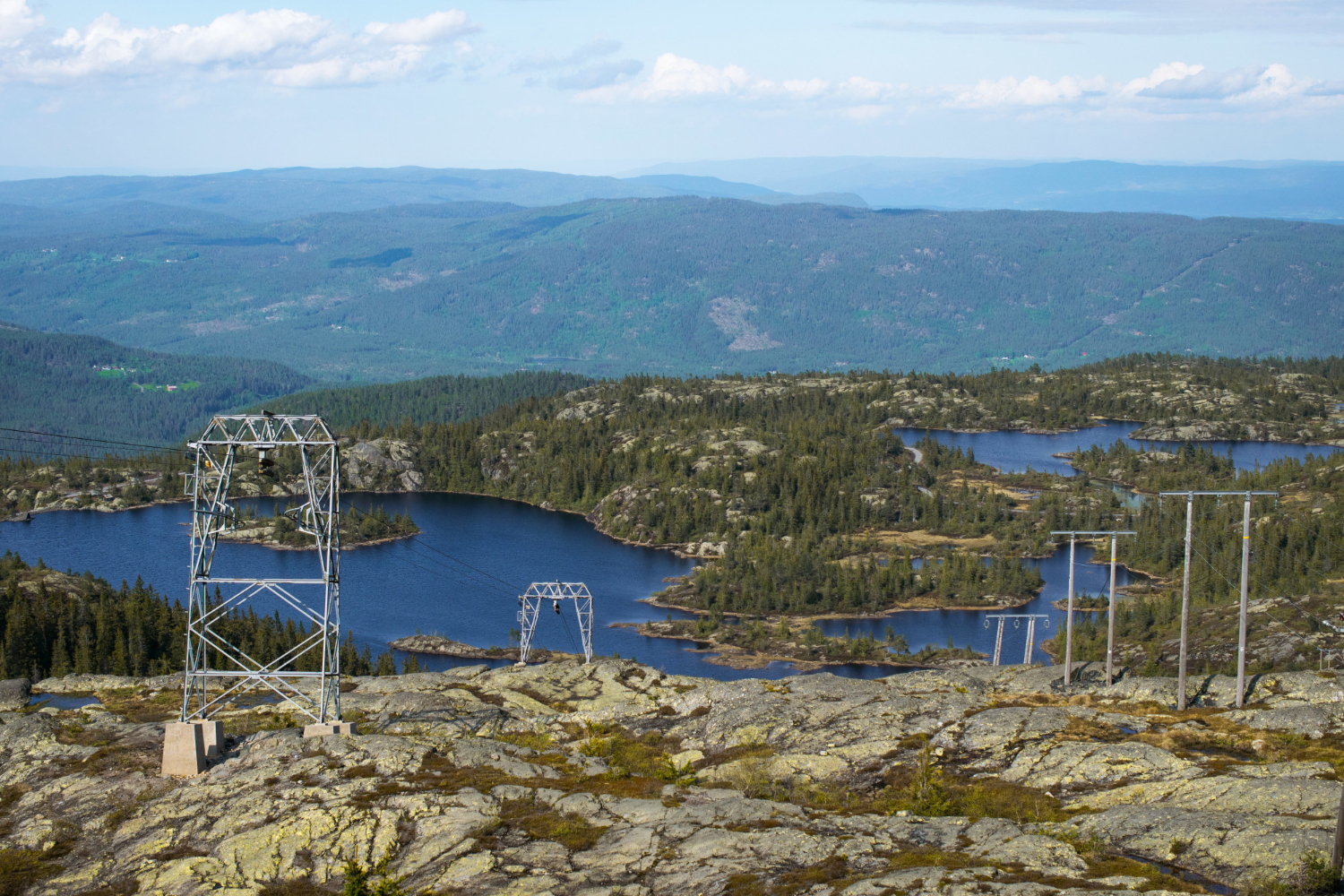
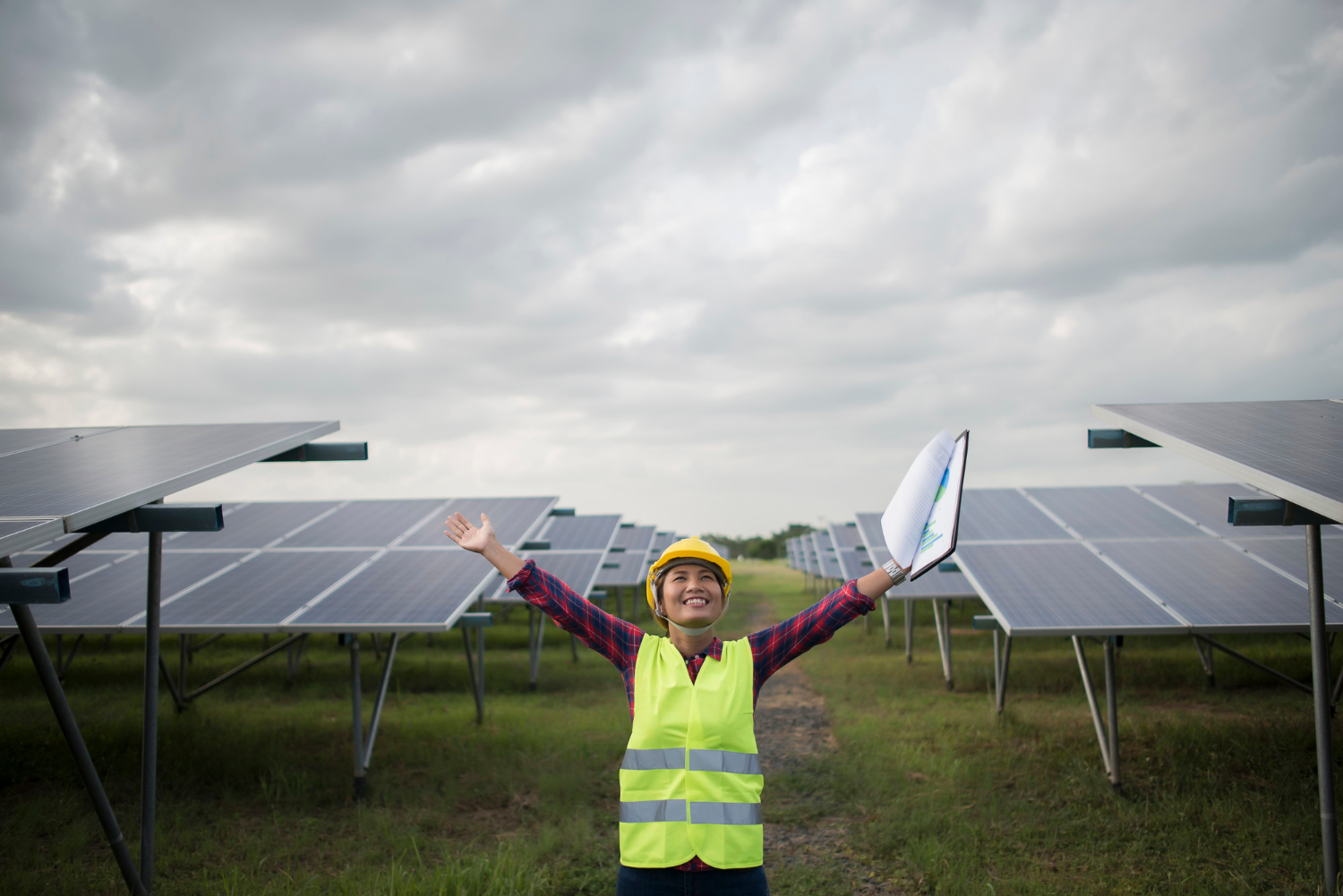
CC: Freepik
The Eurasian region, encompassing Russia, Kazakhstan, Turkey, and the Caucasus countries, plays a strategic role in the global energy market. With vast natural resource reserves and infrastructure connections linking Europe and Asia, Eurasia invests heavily in expanding electro-energy systems. In Russia, the leader of this region, the modernization of transmission networks relies on state-of-the-art transformers.
Russia dominates as Eurasia’s leader, focusing on upgrading its transmission networks. Investments in high-power transformers enable the country not only to meet growing domestic energy demand but also to support energy exports to European and Asian markets. Advanced transformer technologies help optimize energy losses, increasing efficiency and transmission reliability.
Kazakhstan and Uzbekistan prioritize the development of renewable energy sources (RES), such as wind and solar farms. Electrotechnical equipment designed for integration with RES and adaptation to extreme climatic conditions becomes a crucial element of the electro-energy infrastructure in Central Asia.
In Turkey, rapid economic growth and urbanization drive increasing energy demand. Investments in efficient transformers capable of operating in high-temperature environments support the stability of transmission networks while simultaneously reducing energy losses under demanding environmental conditions.
Ukraine, as a transit country at the crossroads of Europe and Asia, plays a pivotal role in integration with the European energy market. The connection with the ENTSO-E grid facilitates not only energy exports but also enhances the stability of regional transmission networks. Through investments in high-performance electrotechnical devices and renewable energy sources, Ukraine continues to modernize its infrastructure despite challenges posed by armed conflict. The dynamic reconstruction of transmission networks highlights the country’s strategic importance in the context of energy security.
Innovation and Regional Collaboration – The Strength of Eurasia
The Eurasian region not only modernizes its infrastructure but also fosters international collaboration in electro-energy technologies. Smart grids, advanced transformers, stations, substations, and electrotechnical equipment, along with the integration of RES, form the pillars of regional energy transformation. These initiatives strengthen Eurasia’s position as an energy bridge between East and West.
Eurasia demonstrates that well-directed investments in electrotechnical technologies can support the global energy transformation. By combining innovation with abundant natural resources, this region exemplifies how strategic cooperation and modern solutions contribute to sustainable development and energy security.
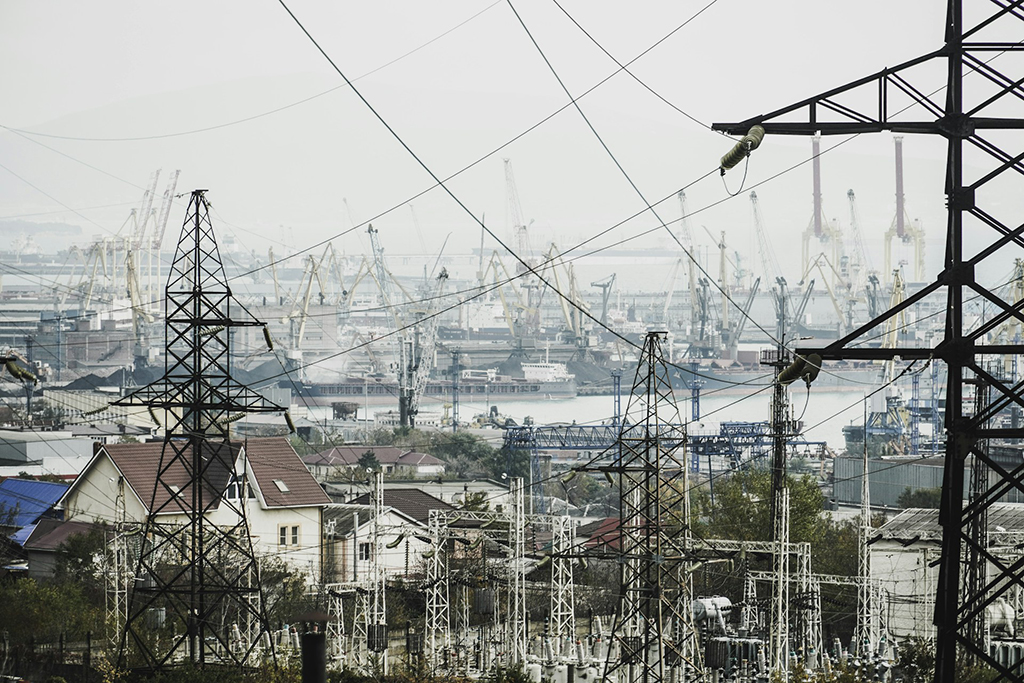
Novorossiysk, Russia CC: Pavel Neznanov/unsplash
North America stands on the brink of an energy revolution, founded on the modernization of its aging transmission infrastructure. Both the United States and Canada, grappling with the challenges of the age and complexity of their electro-energy systems, are investing in advanced energy-transforming technologies that support energy supply reliability and the achievement of ambitious climate goals.
In the United States, a groundbreaking project Grid Modernization Initiative focuses on creating a flexible, intelligent transmission grid. The integration of high-efficiency transformers capable of dynamic energy flow monitoring improves grid stability, particularly in areas with a high share of renewable energy sources. A prime example is California, where advanced electrotechnical devices have been paired with energy management systems, enhancing transmission reliability in regions utilizing wind and solar farms.
Canada, though less densely populated, is actively developing its electro-energy infrastructure with a focus on integrating renewable energy sources. Projects in Ontario, utilizing low-loss transformers, have increased transmission efficiency by 20%. Canada also stands out for its investments in equipment resistant to harsh climatic conditions, such as low temperatures and ice formation, which are critical for ensuring grid reliability in extreme environments.
Responding to Extreme Weather – Reinforced Infrastructure
North America faces a growing frequency of extreme weather events, such as hurricanes, heatwaves, and intense storms. To counteract these impacts, reinforced transformers are being implemented. One example is a project in Texas, where modern devices have reduced the risk of failures during extreme weather conditions, enhancing grid stability and reliability.
Reducing Energy Losses – Technologies of the Future
One of North America's priorities is reducing energy losses. The adoption of transformers with amorphous steel cores allows for idle loss reductions of up to 60%, which translates to energy savings in the range of hundreds of gigawatt-hours annually across the continent. These investments not only improve the efficiency of electro-energy systems but also reduce CO₂ emissions, supporting global climate goals.
The energy transformation in North America combines advanced technologies, responsible planning, and a commitment to a sustainable future. This region sets new standards in electro-energy reliability and efficiency, becoming an example of how infrastructure modernization can support both environmental and economic objectives.
Toronto, Canada CC: Berkay Gumustekin/unsplash
Latin America is intensively developing its energy infrastructure, driven by rapid population growth and dynamic industrialization. Countries like Brazil, Mexico, and Chile are investing in modernizing transmission networks, focusing on the implementation of high-efficiency transformers that improve energy efficiency and minimize transmission losses.
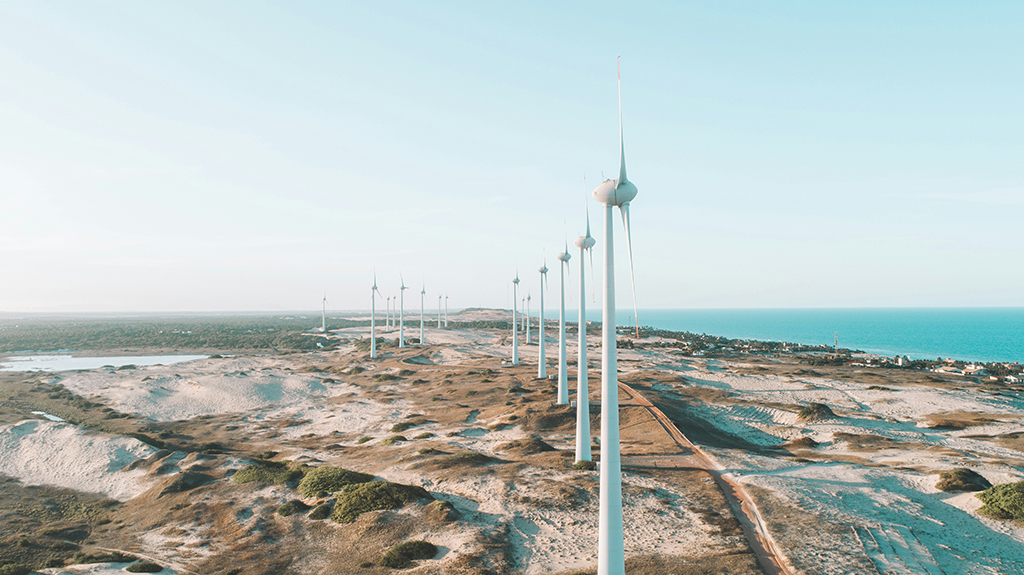
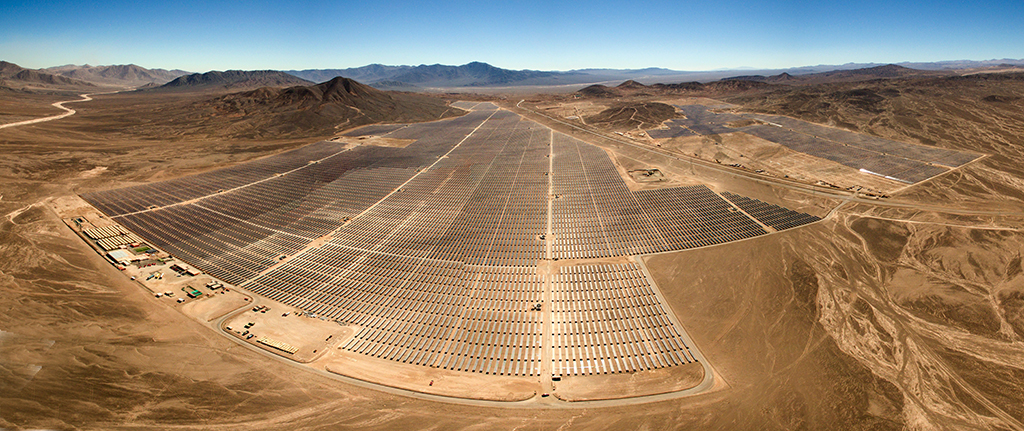
Brazil, the largest economy in the region, is advancing ambitious wind energy projects in the northeastern states, leveraging favorable conditions for wind energy production. Chile, thanks to the unique characteristics of the Atacama Desert, has become a global leader in photovoltaics, earning recognition for its achievements in solar energy. Electrotechnical equipment, adapted to specific environmental conditions such as high temperatures and humidity, plays a crucial role in the success of these initiatives.
Infrastructure Challenges and Energy Inequalities
Despite dynamic growth, Latin America still faces challenges in ensuring equal access to electricity. Rural areas and less economically developed regions often suffer from insufficient investment in transmission infrastructure. To address these disparities, it is essential to implement smart electrotechnical solutions and technologies that enhance grid reliability and reduce energy losses.
With the expansion of intelligent grids and investments in real-time monitoring technologies, the region has an opportunity to improve energy management efficiency. This is especially important in the context of increasing energy demand driven by urbanization and the growing significance of industry.
The Region's Potential and Path to Sustainable Development
Latin America holds immense potential to become a leader in sustainable energy development. A key element is the continued support for renewable energy growth and the implementation of modern transformer technologies. Investments in advanced infrastructure can yield tangible benefits in the form of reduced CO₂ emissions, improved grid reliability, and minimized energy losses.
This continent is on the verge of a transformation that could make the region a global leader in sustainable energy. To achieve this goal, strategic investments in modern technologies are necessary to combine the potential of renewable energy sources with the reliability of modern infrastructure.
Beberibe, Brasil CC: Pedro Henrique Santos/unsplash
The African energy market is at a pivotal stage of development. Countries such as Nigeria, South Africa, and Egypt are implementing ambitious plans to electrify rural areas and modernize aging transmission infrastructure. Modern transformers, designed to operate in demanding climatic conditions, play a fundamental role in achieving these goals while also supporting sustainable development and access to electricity.
North Africa – An International Energy Hub
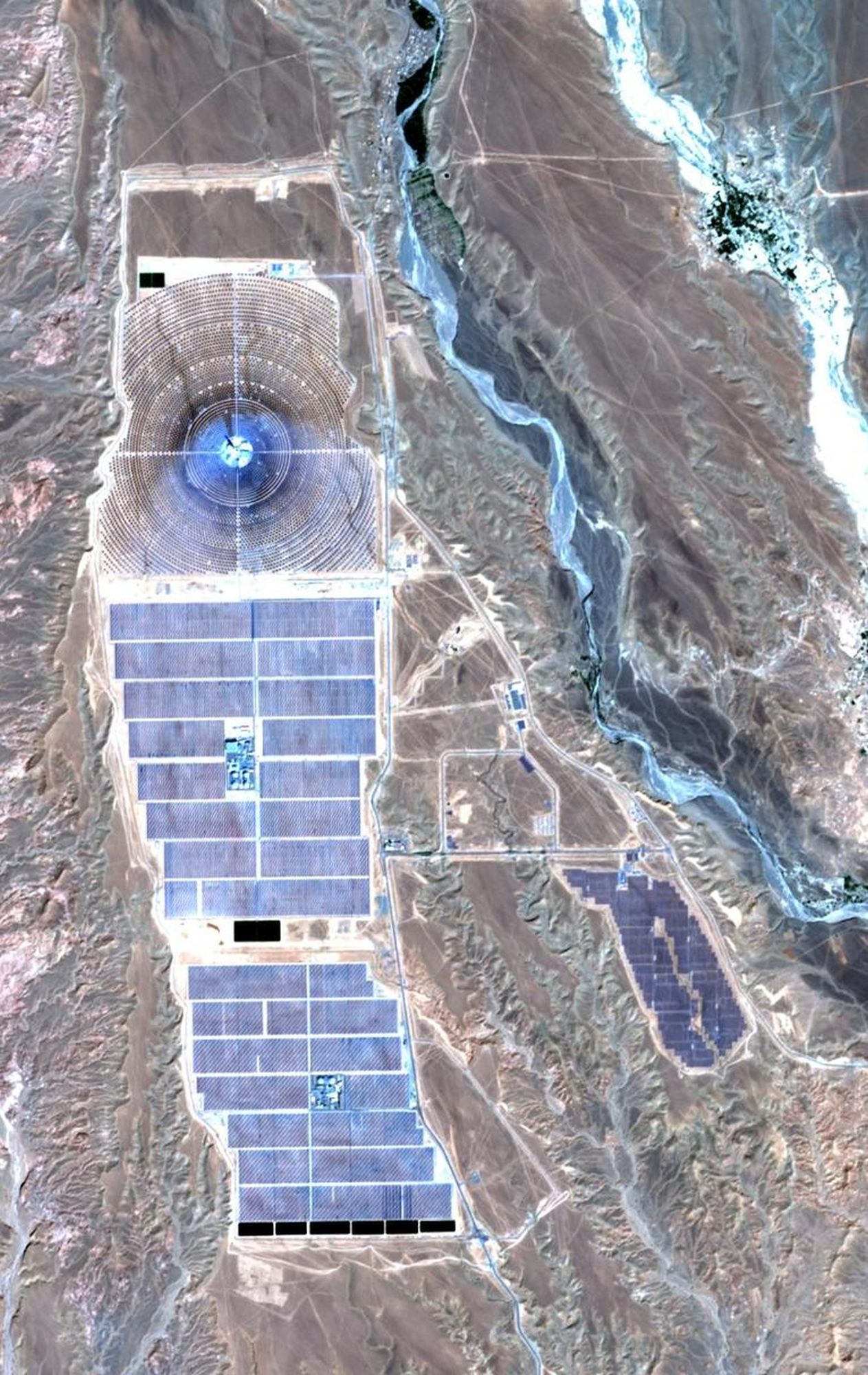
North Africa, including countries like Egypt, Algeria, and Morocco, stands out for its dynamic development of transmission infrastructure, which supports the export of renewable energy to Europe. Morocco has gained attention for its Noor - largest solar complex in the world. The use of high-efficiency transformers in this project minimizes energy losses while enabling large-scale production of renewable energy.
Egypt and Morocco are also intensifying their investments in wind and solar farms, increasing the demand for transformers capable of operating in extreme conditions, such as high temperatures and the presence of fine sand particles in the atmosphere. These technologies not only support local development but also position the region as a leader in sustainable energy development.
Nigeria and South Africa – Energy Transformation at the Heart of the Continent
In Nigeria and South Africa, the challenge remains to simultaneously increase access to electricity and improve the reliability of transmission networks. These countries are investing in smart transformers and energy management systems that help reduce losses and enhance supply stability.
In South Africa, growing investments in renewable energy sources, such as wind farms in the Eastern Cape, support the country’s energy transformation efforts. In Nigeria, the priority is the electrification of rural areas, which requires durable and reliable transformers designed for challenging environmental conditions.
Africa as a Model for Sustainable Development
Investments in modern transformer technologies and renewable energy sources make Africa an example for other developing regions. Projects like the Noor Complex in Morocco or wind farms in Egypt demonstrate that energy development can go hand-in-hand with environmental protection and improved quality of life.
Africa stands at a crossroads between rapid growth and sustainable future planning. With strategic investments in transmission infrastructure, smart technologies, and renewable energy sources, the region is playing an increasingly significant role in the global energy market.
Noor Ourzazate, Marocco CC: ESA Copernicus Sentinel-2A
Australia and the countries of the Oceania region are intensively developing their energy infrastructure, focusing on the integration of renewable energy sources (RES), such as wind and solar energy. Due to unique climatic and geographical challenges, the transformer technologies being implemented must be not only efficient but also adapted to extreme environmental conditions, such as high temperatures, strong winds, or high humidity.
Australia – A Leader in Energy Transformation
Australia stands out for its commitment to RES development through government initiatives like the Renewable Energy Target (RET) program. The goal of this program is to increase the share of renewable energy in the country's energy mix, driving investments in modern transformers. These devices support energy efficiency and transmission network reliability, particularly in areas with a high share of wind and solar farms, such as the southern and eastern parts of the country.
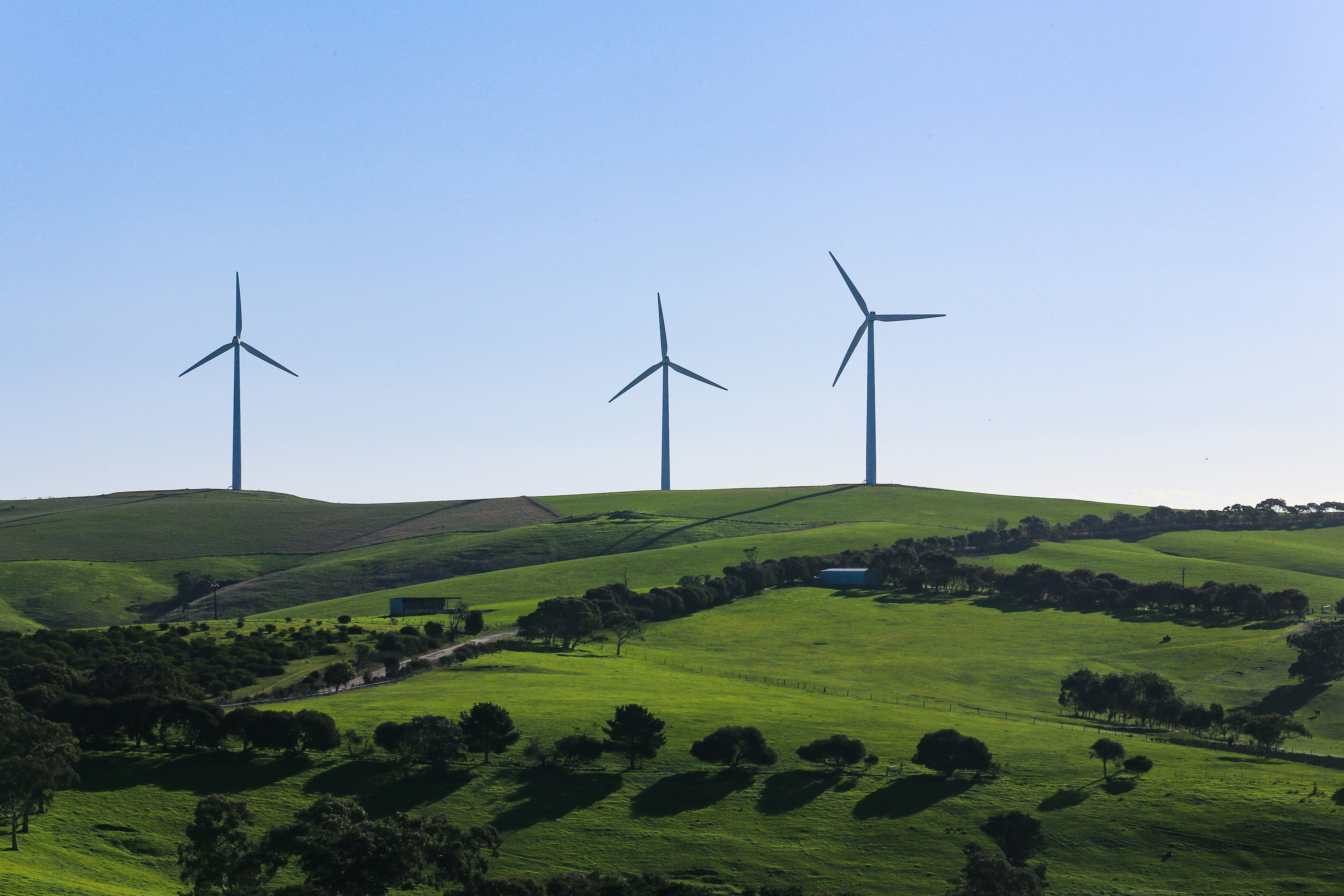
Through the development of solar farms, such as the installation Solar Park Adelaide, as well as wind energy projects, such as the Wind Farm Hornsdale sets standards for other countries in terms of sustainable development. High-reliability energy-transforming solutions used in these projects contribute to minimizing energy losses and reducing CO₂ emissions.
Oceania – Challenges and Opportunities in the Island Region
Island nations in Oceania, such as New Zealand, Fiji, and Papua New Guinea, are also making efforts toward energy development. In this region, particular emphasis is placed on the electrification of remote areas and the application of technologies suited to unstable weather conditions. Moisture- and corrosion-resistant transformers play a key role in ensuring reliable energy supply on the islands.
New Zealand, as a regional leader, is developing hydroelectric and geothermal projects that support the achievement of carbon neutrality. The implementation of low-loss transformers enables efficient energy management in the challenging mountainous terrain of the islands.
The Oceania Region as a Model for Sustainable Development
Australia and Oceania are setting the direction for global energy transformation, combining innovation with environmental responsibility. Investments in renewable energy sources and modern transformer technologies make this region a model for other parts of the world, showing that achieving carbon neutrality can go hand-in-hand with the efficiency and reliability of electro-energy systems.
Due to unique infrastructure needs, engineering solutions applied in this region must be not only efficient but also adapted to operate in extreme climatic conditions. Government programs, such as Australia's Renewable Energy Target, drive investments in advanced transformer technologies.
Starfish Hill Wind Farm, South Australia CC: Alex Eckermann/unsplash
The Arab region, encompassing the Persian Gulf, North Africa, and the Middle East, is dynamically developing its electro-energy infrastructure to meet the growing energy demand and global trends in sustainable development. Through strategic investments, this region is setting new standards in energy management while overcoming challenges associated with extreme environmental conditions.
Gulf Countries – Pioneers of Smart Grids and Renewable Energy
Saudi Arabia, the United Arab Emirates, Qatar, and Kuwait are heavily investing in modern transformer technologies and smart grids. An example of this is the project NEOM in Saudi Arabia – one of the largest solar farms in the world, which is set to become a symbol of the green transition. Similarly, in Abu Dhabi, the capital of the United Arab Emirates, massive photovoltaic installations are being developed, supported by advanced transformers designed to withstand extreme heat and dust.
In these countries, modern electrotechnical solutions play a key role in managing advanced electro-energy systems, enabling the efficient transmission of energy from renewable sources. The sophisticated construction of energy infrastructure allows operation in challenging climatic conditions, such as high temperatures and the presence of sand.
Middle East – Reliability and Electrification at the Forefront
In countries like Iraq and Jordan, the priority is to improve the reliability of electro-energy networks and electrify rural areas. The implementation of transformers resistant to overloads and extreme environmental conditions ensures network stabilization and meets the growing energy demand.
Jordan, known for its investments in solar farms, is developing projects that promote renewable energy sources while enhancing the reliability of transmission networks. Iraq, on the other hand, focuses on rebuilding its energy infrastructure, whose modernization is essential for ensuring the country's energy security.
Arab Countries – A Global Model for Transformation in Challenging Terrain
By combining advanced technologies, renewable energy sources, and strategic investments, the Arab region demonstrates that energy transformation is possible even in the most demanding environments. These projects serve as an inspiration for other regions on how to effectively merge innovation with climatic challenges.
The Arab region is not only expanding its electro-energy infrastructure but is also committed to sustainable development and advanced technologies that meet the needs of the modern world. Thanks to state-of-the-art transformers designed for extreme conditions, Arab countries are setting the direction for the global energy transformation.
CC: Antonio Garcia/unsplash
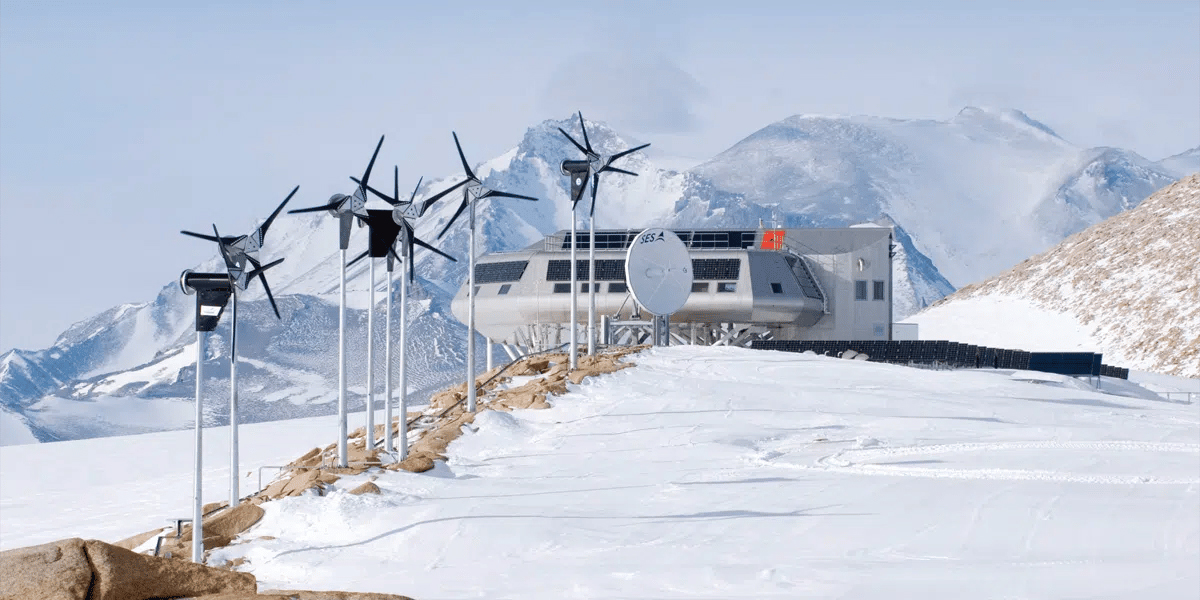
Although Antarctica is not a traditional energy market, the demands of its unique environment present a remarkable challenge for electro-energy solutions. Research stations operating in one of the harshest climates on Earth rely on specialized high-reliability transformers. These advanced devices must perform flawlessly under extremely low temperatures, strong winds, and high levels of salinity and humidity.
Specialized Technologies for Research Stations
In Antarctica, the fundamental requirement is the stability of energy systems. Research stations such as McMurdo (USA) and Neumayer III (Germany) depend on high-performance transformers designed to withstand temperatures dropping below -50°C.
These transformers feature:
Advanced insulation systems resistant to extreme cold.
Reinforced structures to withstand the effects of intense winds and ice accumulation.
Minimal energy losses, which is critical in a region where every unit of energy is precious.
By using these technologies, research stations can conduct crucial scientific studies while minimizing the risk of energy infrastructure failures in challenging conditions.
A Niche but Strategic Market
The transformer market in Antarctica is niche but serves as an excellent example of the adaptability of electro-energy technologies. Solutions developed for this unique environment are often used as inspiration for designing devices capable of withstanding extreme conditions in other parts of the world, such as Arctic regions, high-altitude areas, or deserts.
Antarctica demonstrates that advanced transformer technologies can meet even the most extreme challenges. Research stations on this continent prove that innovative solutions in the energy sector have the potential to function effectively in any environment, regardless of its difficulty.
Princess Elisabeth Antarctica Station CC: greenbuildermedia.com
The future of the transformer market appears dynamic and full of challenges but also immense opportunities. Leading directions of development will include further investments in innovative technologies, such as smart transformers with advanced monitoring systems and devices adapted for integration with renewable energy sources. The global drive to reduce CO₂ emissions and improve energy efficiency will propel changes in both technology and legal regulations.
Regional development will contribute to the creation of more sustainable electro-energy systems. Europe, with its commitment to decarbonization, and Asia, a leader in dynamic technological expansion, will remain the driving forces behind global change. Regions like North America and Africa will also set new standards, emphasizing infrastructure resilience to climate change and extreme weather conditions.
It is projected that by 2030, the transformer market will reach record levels, fueled by international cooperation, the advancement of smart grid technologies, and the adaptation of devices to extreme environmental conditions. As a result, innovations in the electro-energy sector will not only enhance the reliability of transmission systems but also contribute to building a more sustainable future.
On our blog, you'll find detailed analyses, inspiring case studies, and the latest information on innovations in the electro-energy industry. By following our content regularly, you'll gain the knowledge needed to better understand global trends and the benefits of modern transformer technologies.
Join the community of professionals for whom energy development is both a passion and a mission.
With us, you'll always stay one step ahead of the competition – equipped with knowledge that drives the future!
Sources:
https://globaltransmission.info/
Shipped from our warehouse in Poland within 2–3 working days, 5-year warranty. Full range 25–2500 kVA in the shop (prices in PLN).
No reviews!