30 Sep
2024
Energeks
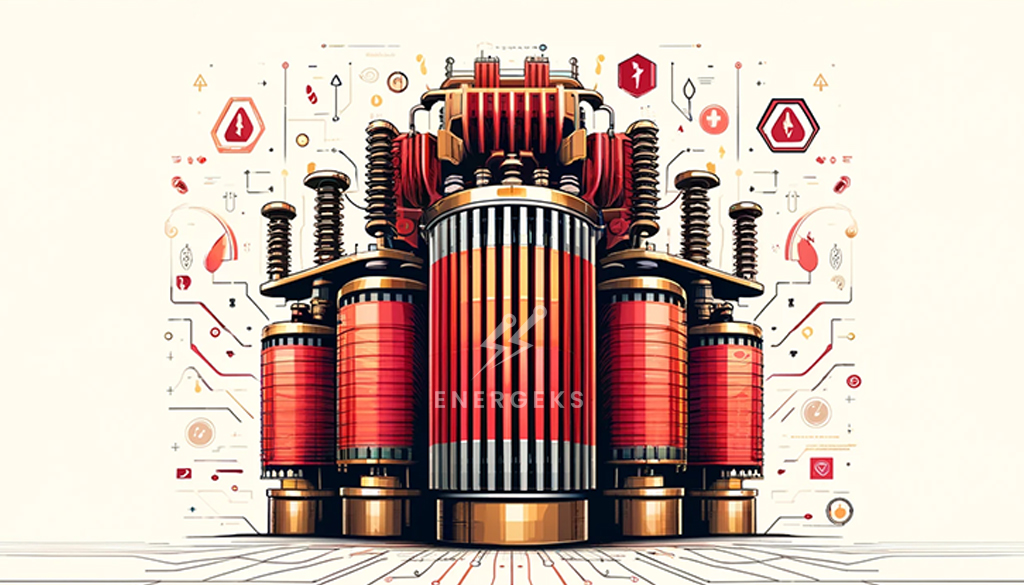
In the era of modern energy solutions, the dry transformer, also known as a resin, or cast resin transformer — which we will explain later in the article, using both terms interchangeably — has become a key player in many complex projects, especially those requiring reliability and safety in challenging indoor conditions.
While dry transformers may seem like "ordinary" devices that just work, the reality shows they face challenges that could make even the most experienced engineers scratch their heads.
As the name suggests, a dry resin transformer utilizes dry technology instead of traditional oil cooling. We briefly discussed the differences between oil and dry transformers in this article.
Today, we will take a closer look at the technology behind the dry transformer, also known as a resin transformer, due to its windings being encased in special epoxy resin, which provides excellent insulation and protection from external environmental factors.
This technology offers a modern alternative to oil transformers, eliminating many issues related to oil leaks, fire hazards, and the need for regular maintenance associated with coolant fluid replacements.
The windings of the transformer are surrounded by a layer of resin, serving as insulation and protection. This technology not only eliminates the need for oil but also significantly reduces the risk of fire, which is crucial in environments with high safety requirements. The resin is resistant to moisture, making the dry transformer an ideal choice for areas with increased humidity or places where moisture can be difficult to control.
Fire Safety: The dry transformer does not use flammable substances, making it significantly safer than its oil-based counterparts. The epoxy resin coating on the windings not only insulates but is also fire-resistant, minimizing the risk of fire.
Moisture Resistance: Thanks to resin technology, the windings are effectively protected from moisture, which is critical in environments like basements, industrial halls, or hospitals, where humidity control can be challenging. The resin also prevents corrosion, extending the life of the device.
Minimal Maintenance: Unlike oil transformers, which require regular inspections and fluid replacements, a dry resin transformer is virtually maintenance-free. The lack of fluids means fewer components requiring constant monitoring, leading to lower operating costs.
Eco-friendliness: The absence of oil in dry resin transformers makes them more environmentally friendly. In the event of a failure, there is no risk of oil leakage that could contaminate the environment.
Low Noise Levels: Thanks to resin technology, the dry transformer also has lower noise levels. This makes it ideal for locations where noise must be minimized, such as data centers, office buildings, or hospitals.
The dry transformer often operates under demanding conditions — humidity, limited space, and proximity to installations sensitive to environmental changes. Why are these transformers the solution to these challenges?
Because they combine reliability with compact size and resistance to harsh conditions.
It's like the engineering version of James Bond — elegant, efficient, and always ready for challenges!
Take, for example, modern office buildings or data centers, which must operate 24/7, without any interruptions. Any failure results in significant financial and time losses. In such cases, the dry transformer not only minimizes the risk of failure but also offers greater reliability since it doesn’t require oil for cooling. This makes it highly effective in conditions where other transformers might struggle.
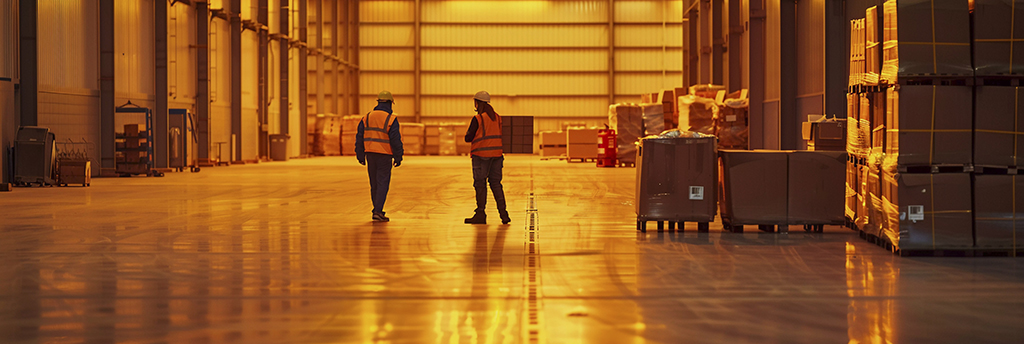
A logistics center in Hamburg — large warehouse spaces and constantly changing humidity conditions are a real challenge.
The dry transformer installed there operates continuously, supplying energy where it's most needed. Without the need for additional cooling, it performs well in conditions where other solutions might fail.
Freepik
Hospital in Berlin – This facility prioritizes the highest safety standards.
Oil transformers were not an option, so dry transformers were chosen, which minimize fire risks and are completely safe for both patients and staff.
Freepik
Modern data center in Warsaw – Here, the issue was not only humidity but also space and the massive demand for energy.
Thanks to its compact design and high efficiency, the dry transformer ensured the uninterrupted operation of IT systems, minimizing the risk of outages.
Freepik
All of these examples lead us to one conclusion: the dry transformer is the ideal solution where a combination of safety, performance, and resistance to adverse environmental conditions is crucial. It's a next-generation product that excels at meeting the demands of modern energy systems.
With dry technology, you can avoid issues related to oil leaks and fire hazards, which is particularly important in environments where safety is a priority. It’s an answer to the challenges of the future, and the flexibility and versatility of epoxy resin-coated transformers make them an invaluable tool in solving contemporary energy problems.
By combining reliability, safety, and eco-friendliness, dry resin transformers are becoming the natural choice in the face of today’s technological challenges. The lack of oil not only provides greater convenience but also reduces risks and offers significant long-term savings.
Given the dynamic changes in the electrotechnical industry, these devices are becoming increasingly popular, especially where reliability and safety are of fundamental importance. If you are considering the future of your energy infrastructure, it is worth exploring Energeks' offerings.
A dry transformer could be the key to solving even the most challenging technical issues.
It's a step toward the future, where safety, reliability, and environmental protection go hand in hand with modern technological solutions.
Shipped from our warehouse in Poland within 2–3 working days, 5-year warranty. Full range 25–2500 kVA in the shop (prices in PLN).
No reviews!